Emo: The Evolution of Emotional Hardcore from Underground Punk to Global Phenomenon
Often misunderstood as merely a fashion statement or a mood, emo—short for emotional hardcore—is a complex musical genre and subculture that emerged from the raw energy of the hardcore punk scene. From its origins as a niche exploration of vulnerability to its peak as a mainstream cultural powerhouse, emo has continuously reinvented itself through various "waves," blending aggression with introspection.
At its core, emo is a derivative of post-hardcore, a style that took the speed and intensity of hardcore punk and added more melodic structures and expressive, often confessional, lyrics. While all emo is rooted in post-hardcore, not all post-hardcore fits the specific emotional and stylistic criteria of emo.
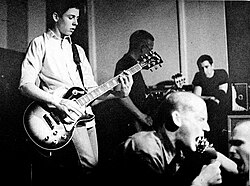
Key Facts

- Origins: Emerged in the mid-1980s as a melodic spin-off of hardcore punk.
- Core Philosophy: Emphasizes emotional expression, vulnerability, and confessional songwriting.
- Key Subgenres: Includes Screamo, Midwest emo, and Emo pop.
- Fusion Genres: Has evolved into modern forms like emo rap.
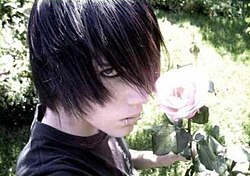
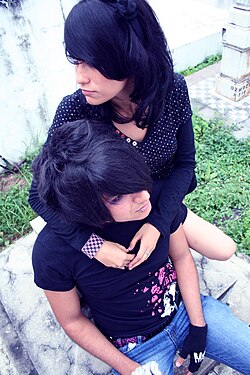
- Cultural Impact: Influenced global fashion, including the iconic jet-black hair and eyeliner of the 2000s.
The History and Evolution of Emo
1984–1991: The Origins
The genre began in the mid-1980s when bands started incorporating more melodic elements and personal lyrics into the aggressive framework of hardcore punk. This early era established the foundation of "emotional hardcore," focusing on internal struggle rather than the political themes common in traditional punk.
1991–1997: Reinvention and Underground Growth
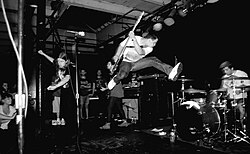
During the early to mid-90s, the sound shifted. Bands like Sunny Day Real Estate and Cap'n Jazz helped define a new era of underground popularity. This period saw the rise of Midwest emo, characterized by a more dynamic sound and intricate guitar work.
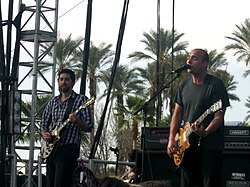
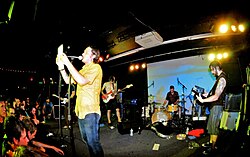
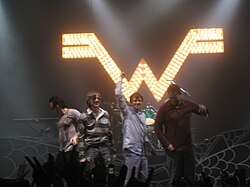
Notably, Weezer's album Pinkerton, though initially a commercial and critical failure, is now regarded as one of the most influential emo albums of the 1990s.
1997–2010: Independent Success to Mainstream Dominance
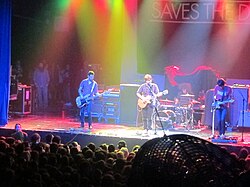
By the late 90s and early 2000s, emo began moving from the underground to the independent charts. Bands like Saves the Day found success while the genre was still primarily a subculture. However, the 2000s marked the era of massive mainstream success.
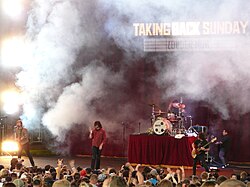
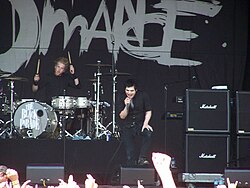
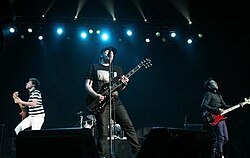
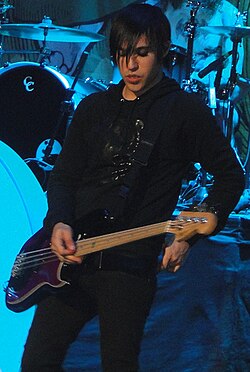
This period saw the rise of emo pop, a fusion of emo and pop-punk. Acts such as Fall Out Boy, My Chemical Romance, and Panic! At The Disco brought the sound to millions of listeners worldwide. This era was as much about the aesthetic—skinny jeans, flat black hair with long bangs, and eyeliner—as it was about the music.
2010–Present: Decline and the Modern Revivals
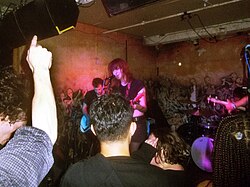
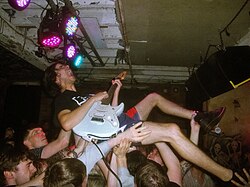
As the mainstream bubble burst, emo returned to its underground roots, sparking a series of revivals. The fourth-wave emo movement saw a return to the twinkly guitars and raw energy of the 90s, with Algernon Cadwallader's Some Kind Of Cadwallader (2008) cited as a watershed release. This was followed by fifth-wave emo and the emergence of "bedroom skramz"—a fusion of screamo, Midwest emo, and bedroom pop pioneered by artists like Your Arms Are My Cocoon.
![Stereogum cited Algernon Cadwallader's album Some Kind Of Cadwallader (2008) as the emo revival's watershed release[224]](/images/2b/54/2b548e9d10d4c7f1a9eab7d0f9ba927597aa570aec8f3bbc8e5c739c997c37ba.jpg)
Subgenres and Fusion Styles
Screamo and Sass
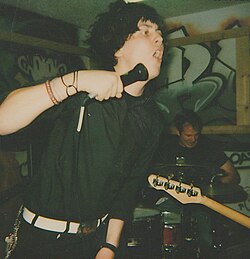
Screamo (a portmanteau of "screaming" and "emo") is a more aggressive subgenre characterized by chaotic sounds and screamed vocals. Bands like Orchid and The Used are central to this movement, with the latter's self-titled album being hailed as a masterwork of the genre.
Emo Pop and Emo Rap
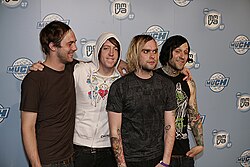
Emo pop blended the emotional weight of the genre with catchy, radio-friendly hooks. In more recent years, this influence has bled into hip-hop, creating emo rap. Artists like XXXTentacion and Lil Peep blended melodic rap with the angst and themes of emo music.
Cultural Reception and Stereotypes
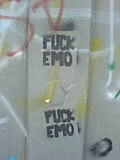
The emo subculture has faced significant scrutiny. In the 2000s, it became a target for stereotypes regarding teen suicide and fragility. In some regions, the backlash was severe; for example, emo youth faced violence and "emo-bashing" in Mexico and Chile, and faced legal threats in Russia.
| Era/Wave | Primary Characteristics | Key Examples/Artists |
|---|---|---|
| Origins (1980s) | Melodic Hardcore Punk | Rites of Spring |
| Midwest Emo (1990s) | Dynamic, Introspective, Twinkly Guitars | Sunny Day Real Estate, Cap'n Jazz |
| Mainstream Emo (2000s) | Pop-Punk Fusion, High Production, Fashion-centric | My Chemical Romance, Fall Out Boy |
| Emo Revival (2010s+) | Return to 90s roots, Bedroom Pop fusion | Algernon Cadwallader, Title Fight |
Frequently Asked Questions
What is the difference between emo and pop-punk?
While they often overlap, pop-punk focuses more on upbeat melodies and adolescent themes, whereas emo emphasizes deeper emotional vulnerability, confessional lyrics, and roots in post-hardcore.
What is "Screamo"?
Screamo is a subgenre of emo that incorporates the aggressive vocal style of screaming and a more chaotic, intense musical structure compared to standard emo pop.
What is Midwest emo?
Midwest emo is a regional style from the 1990s characterized by a more melodic, often "twinkly" guitar sound and a focus on the mundane and melancholic aspects of life.
Is emo rap actually emo?
Emo rap is a fusion genre. It adopts the lyrical themes of angst, heartbreak, and depression found in emo music but applies them to the rhythmic and sonic framework of modern hip-hop.
Why was there a backlash against emo in the 2000s?
The backlash was largely driven by stereotypes regarding the genre's association with teen angst and mental health struggles, which in some cultures led to social stigmatization and physical violence.