Pontchartrain Hotel: A Historic Landmark of New Orleans Elegance
Standing as a beacon of sophistication in Uptown New Orleans, the Pontchartrain Hotel is more than just a place to stay; it is a physical manifestation of the city's traditional culture. Located on the iconic St. Charles Avenue, this historic establishment has evolved from a residential concept into a world-renowned destination for the cognoscenti—those well-informed people with specialized knowledge of the arts and culture.
From its early 20th-century origins to its modern-day resurgence, the hotel has mirrored the shifting tastes of the city while maintaining an unwavering commitment to luxury and service.
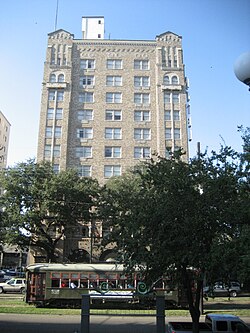
Key Facts
- Location: St. Charles Avenue and Josephine Street, Uptown New Orleans, Louisiana.
- Opened: 1927 as a residential hotel.
- Notable Guests: Tennessee Williams, The Doors, and George H. W. Bush.
- Award-Winning Dining: Home to Jack Rose, named USA Today's "Best Hotel Restaurant" in the U.S. (2019).
- Current Features: 106 guestrooms and suites, including the Hot Tin rooftop bar.
A Legacy of Family Ownership
The vision for the hotel began with Albert Aschaffenburg Sr., a prominent New Orleans capitalist. Although he passed away in 1918 before construction began, his son, E. Lysle Aschaffenburg, brought the project to life in 1926. Completed in 1927 for approximately $1 million, the building originally opened as a residential hotel.
Lysle soon discovered that local residents were reluctant to leave their homes for apartments, leading him to convert most units for traditional hotel use starting in 1941. The hotel remained a family affair when Lysle's son, Albert Jr., took over operations after serving in WWII and pursuing a theater career in New York.
The Rise of the Caribbean Room
Under Albert Jr., the hotel focused on the philosophy that a great hotel requires a great restaurant. In 1948, the Caribbean Room was established. While it initially struggled with a rigid French approach modeled after Chicago's Pump Room, the Aschaffenburgs pivoted to embrace local Creole cuisine—a distinct New Orleans style of cooking that blends French, Spanish, and African influences. This change, paired with warmer service, made the restaurant a local mainstay.
The hotel became a sanctuary for the elite and the artistic. Tennessee Williams famously worked on his classic play, A Streetcar Named Desire, during his stay. Other distinguished guests included Cole Porter, Richard Burton, Henry Kissinger, and the band The Doors.
Evolution and Modern Restoration
The Aschaffenburg family sold the property in the late 1980s, leaving behind a legacy of accolades, including ratings from the Guide Julliard de Paris and the IFMA Gold Plate award. The hotel faced a period of transition in the 21st century, closing for renovations in 2007 and briefly attempting a conversion into luxury senior apartments in 2008.
As demand for hotel rooms rebounded, the property returned to its roots. In November 2014, AJ Capital Partners and co-owner Cooper Manning acquired the hotel, launching an ambitious renovation to restore its historic grandeur while updating the 106 guestrooms to attract a younger generation of travelers.
Contemporary Dining and Attractions
The hotel's culinary landscape has continued to evolve. While celebrity chef John Besh initially managed operations, QED Hospitality took over in January 2018. The hotel reopened fully on June 17, 2016, featuring the return of the Bayou Bar and Silver Whistle coffee shop. A new addition, the Hot Tin rooftop bar on the 14th floor, now offers panoramic views of the Mississippi River and the New Orleans skyline.
In April 2018, the Jack Rose restaurant opened in the former Caribbean Room space, quickly gaining national acclaim for its quality and atmosphere.
Summary of Achievements
| Year/Period | Award or Milestone | Organization/Source |
|---|---|---|
| 1927 | Hotel Opening | Aschaffenburg Family |
| 2016 | Design of the Year (Caribbean Room) | New Orleans Eater |
| 2017 | Excellence in Historic Preservation | Louisiana Landmarks Society |
| 2017 | Best New Hotels in the World | Travel and Leisure |
| 2019 | Best Hotel Restaurant in the United States | USA Today |
Frequently Asked Questions
Who founded the Pontchartrain Hotel?
The hotel was planned by Albert Aschaffenburg Sr., but it was his son, E. Lysle Aschaffenburg, who completed the construction and opened the hotel in 1927.
Which famous play was written at the hotel?
Tennessee Williams worked on his renowned play, A Streetcar Named Desire, while staying at the Pontchartrain Hotel.
What is the Hot Tin rooftop bar?
Hot Tin is a modern rooftop bar located on the fourteenth story of the hotel, providing guests with views of the New Orleans skyline and the Mississippi River.
What is the current status of the Caribbean Room?
The space formerly occupied by the Caribbean Room is now home to the Jack Rose restaurant, which was named the best hotel restaurant in the U.S. by USA Today in 2019.
How many rooms does the hotel currently have?
Following its most recent major renovations, the hotel features 106 updated guestrooms and suites.