Pond Sliders: Biology, Subspecies, and the Impact of Invasive Populations
The pond slider (Trachemys scripta) is a common, medium-sized, semiaquatic turtle known for its adaptability and distinctive appearance. While they are native to specific regions of North America, their popularity in the global pet trade has led to widespread introductions in non-native habitats, making them a significant subject of study for conservationists worldwide.
The name "slider" is derived from the animal's characteristic behavior. When startled, these turtles—which are often seen basking on logs, branches, or vegetation to soak up sunlight—will quickly scramble and dart back into the safety of the water.

Physical Characteristics and Life Cycle
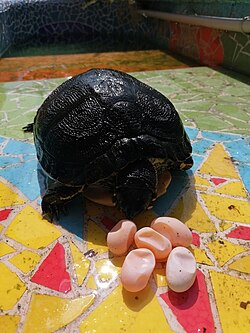
Pond sliders undergo noticeable physical changes as they mature. Hatchlings and juveniles typically feature a green carapace (the upper shell) and a yellow plastron (the bottom shell), accented by green and yellow stripes on their skin. As they age, these vibrant colors fade; adults often possess a muted olive green to brown carapace and a duller yellow or darker plastron. In some cases, older individuals may become almost entirely black with minimal visible markings.
The shape of the shell also evolves. While young sliders have an oval carapace with a central crest and knobs, these features soften over time, resulting in a smoother, flatter shell in adults. To distinguish between the sexes in adults, look for these physical markers:
- Males: Typically possess much longer front claws.
- Females: Generally have shorter, more slender tails.
These resilient reptiles have a lifespan ranging from 20 to 50 years.
Subspecies and Native Distribution
There are three recognized subspecies of the pond slider, each occupying different geographic ranges within their native territory in the south-central and southeastern United States and northern Mexico.
| Subspecies | Common Name | Native Range |
|---|---|---|
| T. s. scripta | Yellow-bellied slider | Florida to southeastern Virginia |
| T. s. elegans | Red-eared slider | Midwestern United States to northern Mexico |
| T. s. troostii | Cumberland slider | Southeastern United States |
In areas where the ranges of the yellow-bellied and red-eared sliders overlap, hybridization between the two subspecies is a common occurrence.
Key Facts
- Scientific Name: Trachemys scripta
- Conservation Status: Least Concern (IUCN 3.1)
- Lifespan: 20 to 50 years
- Native Range: South-central/southeastern USA and northern Mexico
- Primary Threat: Invasive spread due to the pet trade
The Challenge of Invasive Populations
The rise of the pet trade in the 1950s, which saw millions of turtles farmed and shipped globally, has had unintended ecological consequences. When captive-raised sliders are released into the wild—often because they have grown too large or become difficult to manage—they become an invasive species.
Ecological Impact
Invasive pond sliders disrupt local ecosystems in several ways:
- Resource Competition: They compete with native species for food, habitat, and basking sites.
- Behavioral Dominance: They often bully native species away from essential sunlight and warmth.
- Predation: They may prey on young birds and have been known to bask on bird nests, inadvertently killing eggs.
- Disease Transmission: Captive-raised turtles can introduce diseases to which native species have no immunity.
By the first quarter of the 21st century, T. scripta had spread extensively across Europe and Southeast Asia, reaching as far as the Urals and Siberia. In response, the European Union included the species on its list of Invasive Alien Species of Union concern in 2016, prohibiting its import, breeding, transport, and intentional release within the EU.
Frequently Asked Questions
How long do pond sliders live?
Pond sliders typically have a lifespan ranging from 20 to 50 years.
Why are pond sliders considered invasive?
They are considered invasive because they are often released into the wild by pet owners, where they outcompete native species for food and basking sites, and can introduce new diseases to local wildlife.
How can I tell the sex of an adult pond slider?
Males can be identified by their significantly longer front claws, while females generally have shorter, more slender tails.
What is the difference between the subspecies?
The subspecies differ by their common names and geographic distributions: the yellow-bellied slider (Florida to Virginia), the red-eared slider (Midwest US to Mexico), and the Cumberland slider (Southeastern US).
Is it legal to release a pet slider into the wild?
Conservationists strongly advise against it. Many states have passed legislation to control the possession and release of these turtles, and some states have banned their sale entirely to prevent environmental damage.