Pollination Management: Strategies for Enhancing Crop Yield and Quality
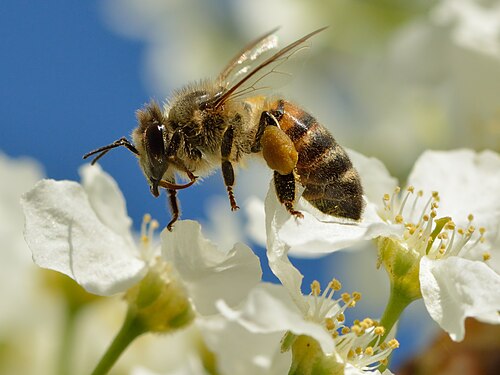
In modern horticulture, pollination management is a critical practice used to achieve or enhance the pollination of crops. By understanding the specific needs of a plant and managing pollenizers, pollinators, and environmental conditions, growers can significantly improve both crop yield and quality. While many people immediately associate pollination with the European honey bee, effective management involves a diverse toolkit of insects, manual techniques, and even mechanical solutions.
The Shift Toward Managed Pollination
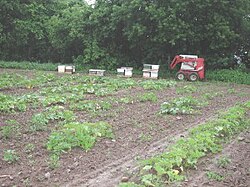
Historically, many crops relied on chance pollination by wild insects. However, as agricultural landscapes have changed, the reliance on managed pollinators has grown. This shift is driven by the rise of monoculture—the practice of growing large areas of a single crop species. While monocultures provide a massive, concentrated food source for pollinators, they can also create periods of starvation or pesticide exposure when the bloom period ends or when chemicals are applied to the fields.
To combat these challenges, growers use various methods to ensure successful fertilization:
- Specialized Insects: Using species like the blue orchard bee for fruit and nut trees, or local bumblebees for specific crops.
- Hand Pollination: An essential technique for producing hybrid seeds and managing certain greenhouse environments.
- Pollination Machines: Mechanical aids used in specific agricultural contexts.
- Saturation Pollination: A technique where extremely high densities of pollinators are introduced to ensure economic viability, often used for crops like alfalfa, cranberries, or kiwifruit.
Understanding Pollinator Decline and Limitation
The agricultural industry is currently facing a dual challenge: the decline of pollinator populations and the phenomenon of pollination limitation (PL). Pollination limitation occurs when there are insufficient or inefficient pollinators available to meet a crop's needs, leading to reduced yields.
Causes of Pollinator Loss
Several environmental and human factors contribute to the decline of both wild and domestic pollinators:
- Misuse of pesticides.
- Loss of floral biodiversity and nectar corridors for migratory species.
- Urban and suburban development.
- Changes in crop patterns and the removal of hedgerows.
- Clearcut logging, which replaces diverse mixed forests with monoculture pine.
- The rapid global transfer of pests and diseases.
Interestingly, while pollinator populations have declined, pollination limitation actually decreased by 50% between 1950 and the 2010s. This is largely attributed to the increased use of managed pollination to supplement natural populations.
Comparing Pollinator Efficiency
Not all pollinators are created equal. While honey bees are versatile and widely used, they can sometimes be inefficient for specific crops. Because honey bees visit many different types of flowers, they may dilute the specific pollen required by an orchard. In contrast, the blue orchard bee is highly specialized; it tends to visit only the intended tree, making it up to 100 times more efficient per bee than a honey bee.
In some cases, such as with kiwifruit, flowers produce no nectar, making honey bees reluctant to visit. In these scenarios, bumblebees have proven to be far more efficient than honey bees or even hand pollination.
Key Facts
- Blue Orchard Bee Efficiency: A single female can make over 75,000 flower trips in her lifetime, pollinating 97% of the flowers she visits.
- Honey Bee Supply Trends: Managed beehives in the US have declined from nearly 6 million after WWII to fewer than 2.5 million today.
- Growing Demand: While bee supplies have dropped, the area dedicated to bee-pollinated crops has increased by over 300%.
- Pollination Limitation: Managed pollination has helped reduce pollination limitation by 50% since 1950.
Pollination Requirements by Crop
The following table outlines the recommended number of honey bee hives required per unit of land for various common crops.
| Common Name | Hives per Acre | Hives per Hectare |
|---|---|---|
| Alfalfa | 1 (3–5) | 2.5 (4.9–12) |
| Almonds | 2–3 | 4.9–7.4 |
| Apples (Dwarf) | 3 | 7.4 |
| Blueberries | 3–4 | 7.4–9.9 |
| Cantaloupes | 2–4 | 4.9–9.9 |
| Cranberries | 3 | 7.4 |
| Watermelon | 1–3 | 2.5–4.9 |
Planning for Success: Pollenizers and Management
Effective orchard management also involves the strategic use of pollenizers. Because many fruit trees, such as apples, are self-sterile, growers cannot simply plant a single variety. Instead, they must intersperse compatible varieties—such as crab apples—within the rows or graft compatible limbs onto existing trees to ensure a steady supply of pollen.
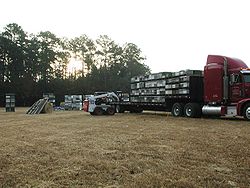
As the gap between the demand for hives and the available supply continues to grow, the agricultural industry is looking toward new management tools. These tools aim to attract pollinators more effectively to the center of large plots, optimizing foraging behavior and increasing grower returns.
Frequently Asked Questions
Why are honey bees sometimes considered inefficient pollinators?
Honey bees are generalists that visit many different flower types, which can dilute the specific pollen they carry. Specialized pollinators, like the blue orchard bee, focus more strictly on the target crop, leading to higher fertilization rates.
What is saturation pollination?
Saturation pollination is a technique used in monoculture settings where a very high density of pollinators is introduced to a field to ensure that even if the blossoms are not highly attractive, enough pollination occurs to make the crop economically viable.
How has the scale of farming changed pollination needs?
In the past, small farms often had sufficient wild pollinators. Today, massive tracts of land (such as 200-acre watermelon fields) make it impossible to rely on local wild populations, necessitating the rental and transport of managed hives.
What are some common causes of pollinator decline?
Pollinator populations are declining due to factors including pesticide misuse, habitat loss from urban development, loss of floral biodiversity, and the removal of natural nesting sites like hedgerows and hollow trees.
Can humans perform pollination?
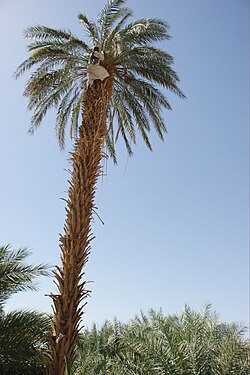
Yes, humans can act as pollinators through hand pollination, which is common in greenhouses and for hybrid seed production. Additionally, some farmers manually pollinate specific crops, such as date palms.