Bumblebees: The Resilient and Complex World of Genus Bombus
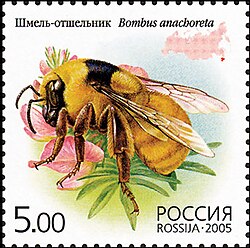
From the ancient fossil records of the Eocene epoch to the vibrant gardens of the modern day, bumblebees have established themselves as one of the most fascinating groups of insects on Earth. Belonging to the genus Bombus, these social insects are much more than just fuzzy pollinators; they are masters of physiological adaptation and complex social structures.
With over 250 species and subspecies worldwide, bumblebees play a critical role in our ecosystems. Whether they are navigating the electric fields of flowers or managing the delicate temperature of their underground nests, their survival depends on a sophisticated array of biological tools.
![Beatrix Potter's 1910 story The Tale of Mrs. Tittlemouse features a "bumble bee" called Babbity Bumble.[1]](/images/5a/58/5a58cd714d5269869817e78d5061d44bff519c978fdfa255eeafadae3aea8ee6.jpg)
Key Facts
- Diversity: There are more than 250 known species and subspecies within the genus Bombus.
- Temporal Range: Fossil evidence shows bumblebees have existed since the Eocene epoch.
- Social Structure: Most species are social, living in colonies with queens, workers, and drones.
- Pollination: They are vital agricultural pollinators, capable of foraging in various conditions.
- Specialized Behavior: Some species, known as cuckoo bumblebees, act as social parasites.
Evolutionary History and Taxonomy
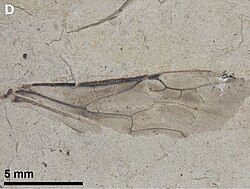
The lineage of the bumblebee is ancient. The fossil record provides evidence of their presence dating back to the Eocene, with specific fossils like Calyptapis florissantensis from the Florissant Formation offering glimpses into their prehistoric past.

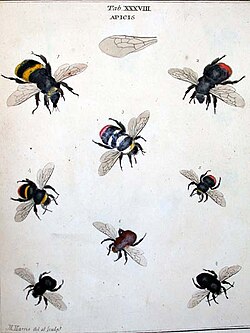
Taxonomically, bumblebees belong to the order Hymenoptera (the same order as ants and wasps) and the family Apidae. They are classified within the tribe Bombini. Over millions of years, they have diversified into a vast array of forms, as illustrated in historical scientific works.
Biology and Physiological Adaptations
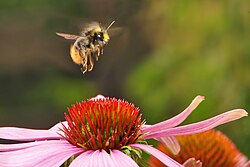
Bumblebees possess remarkable physiological traits that allow them to thrive in diverse environments. One of their most significant advantages is their ability to regulate body temperature. Unlike many insects, bumblebees can generate heat to maintain activity in cooler climates, a process essential for their survival in temperate and even alpine regions.
Feeding and Foraging
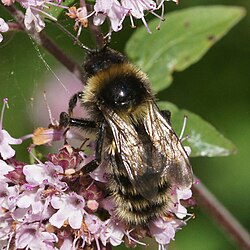
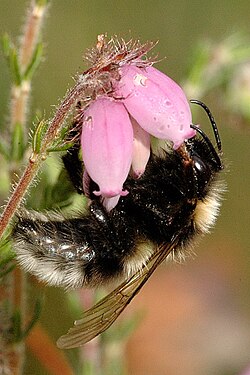
Bumblebees are highly efficient foragers. They collect nectar for energy and pollen for protein. A key feature of their anatomy is the pollen basket, a specialized structure on their legs used to transport pollen back to the nest.
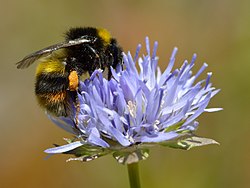
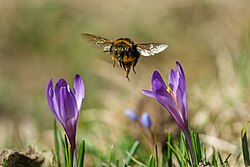
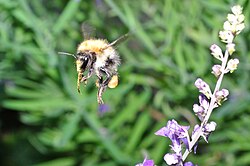
Recent research has even suggested that bumblebees can sense the electric fields of flowers, helping them identify which blooms have recently been visited by other insects.
The Flight Misconception
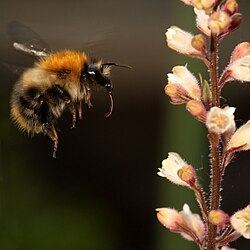
A widely held myth suggests that scientists once proved bumblebees were incapable of flight. In reality, this is a falsehood. Bumblebees are highly capable flyers, utilizing asynchronous flight muscles to power their movement through the air.
Nesting and Social Life
The life of a bumblebee colony is centered around the nest. Depending on the species, nests may be located underground or hidden in vegetation like grass and moss. Within these nests, the colony maintains organized structures, including wax pots for storing honey and specialized cells for larvae.
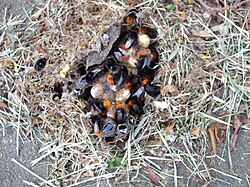
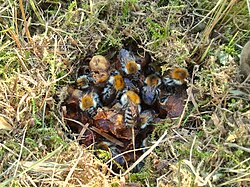
The life cycle involves a complex progression from eggs to larvae, pupae, and finally adults. This cycle is essential for the continuation of the colony and the production of new queens.
![Bumblebee life-cycle showing adults and larvae in nest of B. terrestris. Engraved in 1840 by William Home Lizars after drawing probably by James Hope Stewart.[54]](/images/39/92/3992492dd68aaf0131c7787fc6296dd777285fa5ef0785b4098ab1ee6237e3cd.jpg)
Cuckoo Bumblebees: The Social Parasites
Not all bumblebees follow the same social rules. Cuckoo bumblebees are specialized parasites that do not build their own nests. Instead, they infiltrate the nests of other bumblebee species to lay their eggs, often mimicking the aposematic (warning) coloration of their hosts to avoid detection or attack.
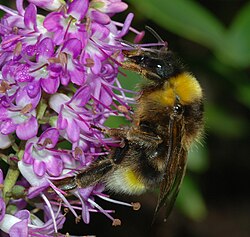
Threats and Conservation
Despite their resilience, bumblebee populations face significant challenges. Habitat loss, climate change, and the use of neonicotinoid pesticides have been linked to population declines. Neonicotinoids, in particular, can impair brain function and affect the overall health of a colony.
Predation also plays a role in the natural ecosystem. Bumblebee nests can be destroyed by predators such as badgers, and individual bees may fall prey to birds like the great grey shrike.
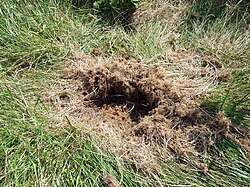
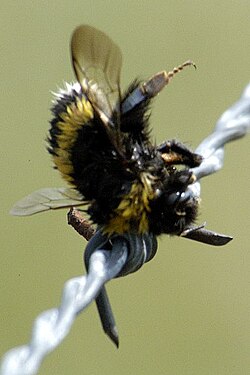
Conservation efforts, including the creation of bumblebee sanctuaries and reintroduction programs, are vital to ensuring these essential pollinators continue to thrive.
Summary of Bumblebee Characteristics
| Feature | Description |
|---|---|
| Genus | Bombus |
| Species Count | > 250 species/subspecies |
| Primary Diet | Nectar and Pollen |
| Social Type | Eusocial (Colony-based) |
| Key Threats | Pesticides, Habitat Loss, Pathogens |
Frequently Asked Questions
Can bumblebees sting more than once?
Unlike honeybees, which typically die after stinging due to their barbed stingers, bumblebees can sting multiple times without dying.
What is the difference between a bumblebee and a honeybee?
Bumblebees are generally larger, fuzzier, and more social in smaller colonies compared to the massive, highly organized colonies of honeybees. They also have different foraging behaviors and nesting habits.
How do bumblebees help humans?
Bumblebees are essential pollinators for many crops and wild plants. Their ability to forage in cooler temperatures makes them invaluable for agricultural productivity in various climates.
Why are bumblebee populations declining?
Declines are attributed to several factors, including habitat destruction, exposure to pesticides (specifically neonicotinoids), climate change, and the spread of pathogens.
What are cuckoo bumblebees?
Cuckoo bumblebees are social parasites. They do not produce workers of their own; instead, they invade the nests of other bumblebee species to exploit their resources and raise their offspring.