The Science of the Buzz: Understanding Sonication and Buzz Pollination
In the natural world, pollination is often pictured as a gentle landing where a bee sips nectar and inadvertently carries pollen from one flower to another. However, for about 9% of the world's flowers, a much more energetic process is required. This phenomenon, known as buzz pollination or sonication, involves bees using high-frequency vibrations to shake pollen loose from specialized floral structures.
While some plants, such as tomatoes, can be pollinated by the wind or casual insect visits, many species have evolved complex mechanisms that require specific pollinators to "buzz" the flower to release its reproductive payload. This specialized relationship is a fascinating example of coevolution, where plants and insects have adapted to one another over millions of years.
How Buzz Pollination Works
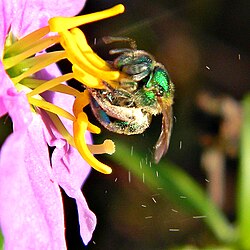
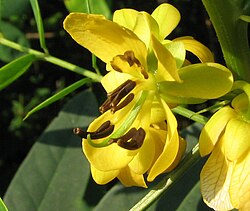
To understand sonication, one must first understand the unique anatomy of the plants involved. Most flowers have open anthers (the pollen-bearing part of the stamen) that allow pollen to fall easily. In contrast, buzz-pollinated plants possess poricidal anthers. These are tubular structures that are completely sealed, except for a tiny pore at the tip or small slits along the sides.
Because these pores are too small for insects to enter, the pollen remains trapped inside. To access this nutrient-rich resource, certain solitary bees and bumblebees grab onto the flower and rapidly vibrate their flight muscles. This rapid movement creates a vibration that travels through the anther, causing the smooth-grained pollen to be ejected through the pores like a salt shaker.
The Evolutionary Advantage
This specialized morphology serves several evolutionary purposes:
- Targeted Pollination: By restricting pollen access to specific insects capable of sonication, plants ensure that their pollen is carried by efficient, specialized pollinators.
- Preventing Self-Fertilization: Many of these flowers position their stigmas (the female receptive part) below the anthers. This physical distance helps prevent selfing, or self-fertilization, which can reduce genetic diversity.
- Resource Competition: For the bees, these flowers offer a high-protein food source. Because most other insects cannot access the pollen, the specialized bees face less competition for this vital resource.
Key Plants and Pollinators
Not all bees are created equal when it comes to sonication. Notably, honeybees cannot perform buzz pollination. Instead, the task falls to specific groups, including bumblebees and various solitary bee species.
Common Buzz-Pollinating Plants
Many economically important crops and wild species rely on this method, including:
- Solanaceae family: Including tomatoes, eggplants, and potatoes.
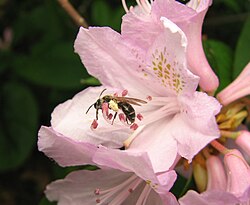
- Ericaceae family: Including blueberries, cranberries, and various members of the genus Rhododendron.
- Other notable species: Senna, manzanita (Arctostaphylos), and shooting stars (Primula sect. Dodecatheon).
Specialized Bee Species
The following insects are known for their ability to utilize sonication:
- Bombus terrestris (Bumblebees)
- Xylocopa frontalis
- Amegilla species
- Euglossa species
- Melipona species
- Nomia species
- Oxaea species
- Protandrena species
Economic and Environmental Impact
The ability to manage buzz pollination has significant economic implications, particularly in commercial agriculture. In greenhouse tomato production, for example, the use of bumblebee colonies is a massive global industry. It is estimated that the industry involving the sale of pollinators and related insects produces over €111 million annually, with bumblebees alone accounting for approximately €61 million.
In New Zealand, the importation of European bumblebees was a critical step in restoring red clover populations, which are essential for the country's crop production. However, the reliance on imported species can raise environmental concerns. In Australia, researchers are investigating the use of the native blue banded bee (Amegilla cingulata) as a safer, local alternative to prevent the ecological disruptions often caused by introduced "feral" species.
Summary of Buzz Pollination Characteristics
| Feature | Standard Pollination | Buzz Pollination (Sonication) |
|---|---|---|
| Anther Type | Open/Exposed | Poricidal (sealed with small pores) |
| Pollen Release | Gravity, wind, or contact | High-frequency muscle vibrations |
| Primary Pollinators | Honeybees, butterflies, wind | Bumblebees, certain solitary bees |
| Pollen Accessibility | High (available to many) | Low (specialized access only) |
Frequently Asked Questions
Can honeybees perform buzz pollination?
No, honeybees are unable to perform the rapid muscle vibrations required to trigger sonication in poricidal anthers.
Why do bees visit these flowers if they can't get nectar easily?
Bees visit these flowers primarily for the pollen, which is a substantial source of protein. They use the pollen to create a nutrient-dense paste to feed their larvae in the nest.
How do farmers pollinate tomatoes in greenhouses without bees?
Traditionally, farmers used electric vibrators to mimic the bee's vibration. Today, many find it more cost-effective and efficient to use managed bumblebee colonies.
Is buzz pollination a new phenomenon?
No. Fossil records indicate that the ancestors of plants using this pollination method date back to the Cretaceous period, suggesting a very long history of coevolution between plants and insects.
What is the risk of introducing bumblebees to new countries?
There are concerns regarding the environmental impact of introducing non-native species, as they can become "feral" and disrupt local ecosystems. This is why researchers look for native alternatives, such as the blue banded bee in Australia.