Plants: Evolution, Diversity, and Ecological Importance
Plants are the foundation of life on Earth, serving as the primary producers that convert solar energy into chemical energy. From the microscopic single-celled algae to the towering coast redwoods, the kingdom Plantae encompasses a vast array of organisms that have evolved since the Mesoproterozoic era to dominate nearly every terrestrial and aquatic habitat.
The classification of plants has evolved alongside our scientific understanding. While early definitions were broad, modern taxonomy often distinguishes between Archaeplastida (the broadest group), Viridiplantae (green plants), and Embryophyta (land plants). This hierarchical organization helps scientists track how plants transitioned from water to land, developing complex structures to survive in diverse environments.
Key Facts
- Temporal Range: Plants have existed from the Mesoproterozoic era to the present.
- Primary Role: They act as primary producers, forming the base of most food chains.
- Diversity: Flowering plants (Angiosperms) are the most diverse group, with over 258,000 living species.
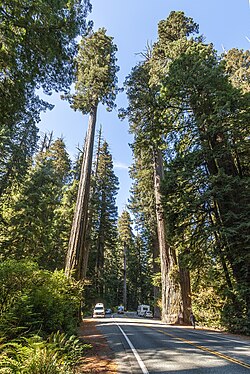
- Scale: Plant size varies from single-celled organisms like Cosmarium botrytis to giants like the coast redwood, which can reach 120 metres (380 ft).
- Reproduction: Plants utilize both sexual reproduction (via spores or seeds) and asexual methods (such as runners).
Plant Classification and Diversity
The plant kingdom is divided into several major groups based on their evolutionary complexity and reproductive strategies. These range from non-vascular plants that absorb water directly from their environment to highly specialized seed-bearing plants.
Green Algae and Non-Vascular Plants
The most ancestral groups include the green algae, such as Chlorophyta and Charophyta. These organisms often exist as single cells or simple multicellular forms.
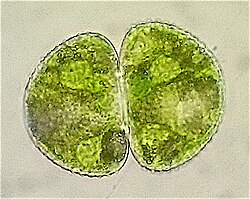
Following the algae are the Bryophytes, which include liverworts, hornworts, and mosses. These are non-vascular plants, meaning they lack specialized tissues for transporting water and nutrients, which generally keeps them small and confined to moist environments.
Vascular Plants: Pteridophytes and Spermatophytes
The evolution of vascular tissue allowed plants to grow taller and colonize drier land. Pteridophytes, such as ferns and clubmosses, reproduce via spores. The most advanced group, the Spermatophytes (seed plants), further divided into gymnosperms (like conifers and ginkgo) and angiosperms (flowering plants).
Angiosperms are the most successful group in terms of species count, utilizing flowers to attract pollinators and fruits to disperse seeds.
| Informal Group | Division (Phylum) | Common Name | Approx. Living Species |
|---|---|---|---|
| Green Algae | Chlorophyta / Charophyta | Green Algae | 6,600 – 10,300 |
| Bryophytes | Marchantiophyta / Bryophyta / etc. | Mosses, Liverworts, Hornworts | 18,100 – 20,200 |
| Pteridophytes | Lycopodiophyta / Polypodiophyta | Ferns and Allies | 12,200 |
| Spermatophytes | Pinophyta / Angiospermae / etc. | Seed Plants / Flowering Plants | 259,510+ |
Plant Physiology and Structure
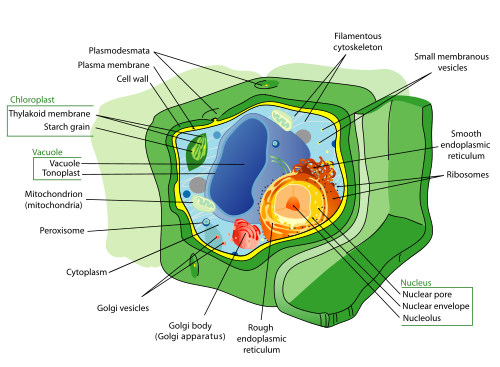
At the most basic level, plant life is defined by the plant cell, which features a rigid cell wall and chloroplasts for photosynthesis. Photosynthesis is the process by which plants use sunlight, water, and carbon dioxide to create oxygen and energy in the form of sugar.
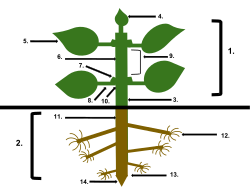
The anatomy of a seed plant is typically divided into two main systems: the shoot system (above ground) and the root system (below ground). The shoot system includes the stem, leaves, and buds, while the root system anchors the plant and absorbs water through root hairs.
Growth and Reproduction
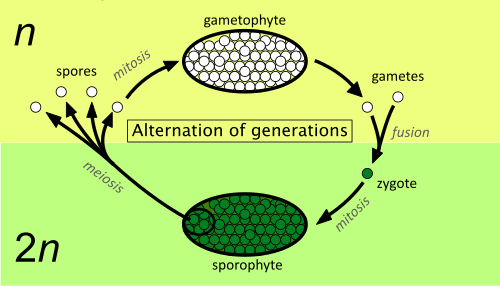
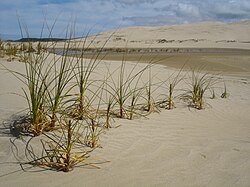
Plants exhibit an alternation of generations, cycling between a haploid gametophyte and a diploid sporophyte. While sexual reproduction ensures genetic diversity, many plants also employ asexual reproduction. For example, some species use runners to spread across the soil.
Ecology and Human Interaction
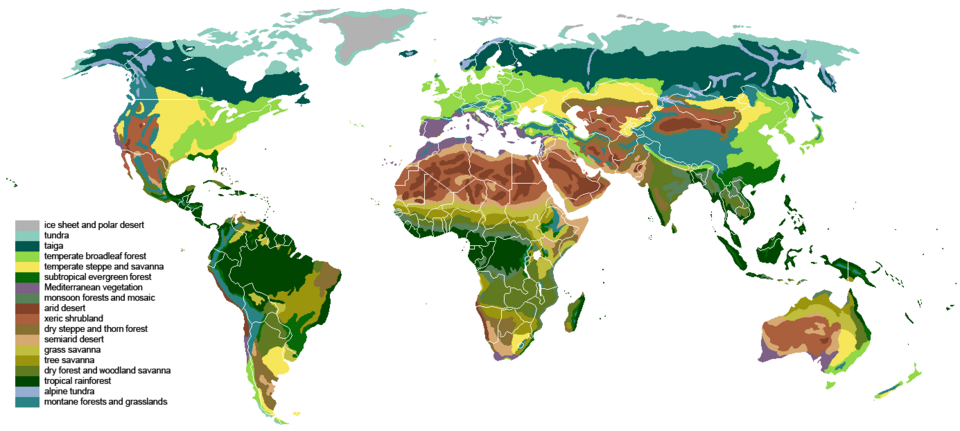
Plants are distributed globally across various biomes, from the frozen tundra and taiga to tropical rainforests and arid deserts. They maintain complex ecological relationships, such as mutualism with pollinators (bees and hummingbirds) or predatory behavior in carnivorous plants like sundews.
Humans rely on plants for nearly every aspect of survival and industry:
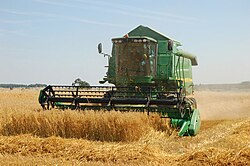
- Food: Grains like oats are harvested on a massive scale to feed global populations.
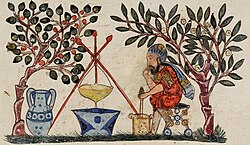
- Medicine: Many modern pharmaceuticals are derived from plant extracts.
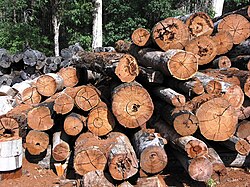
- Industry: Timber provides essential materials for construction and processing.
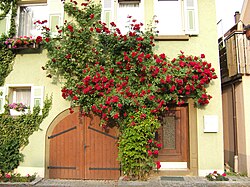
- Aesthetics: Ornamental plants and gardening, such as espalier roses, enhance human environments.
Scientific Contribution and Challenges
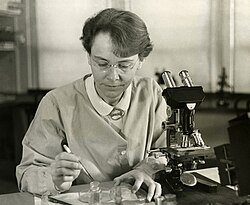
Plants have been pivotal in the study of genetics. Barbara McClintock used maize to discover genetic transposition, and Arabidopsis thaliana remains a primary model organism for genomic research.
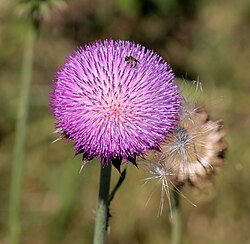
However, plants can also present challenges. Invasive species, such as the musk thistle, can disrupt local ecosystems by outcompeting native flora.
Frequently Asked Questions
What is the difference between a bryophyte and a pteridophyte?
Bryophytes (like mosses) are non-vascular plants that lack a specialized system for transporting water, whereas pteridophytes (like ferns) possess vascular tissue, allowing them to grow larger and live in more varied environments.
How do angiosperms differ from gymnosperms?
Angiosperms are flowering plants that produce seeds enclosed within a fruit, while gymnosperms (such as conifers) produce "naked" seeds, typically in cones.
What is the role of plants as primary producers?
Plants use photosynthesis to convert sunlight into chemical energy. This energy forms the base of the food web, providing the necessary nutrients for herbivores and, subsequently, carnivores.
What is the alternation of generations?
It is a biological cycle where a plant alternates between two distinct multicellular stages: a haploid gametophyte, which produces gametes, and a diploid sporophyte, which produces spores.