Biological Kingdoms: The Evolution of Taxonomic Classification
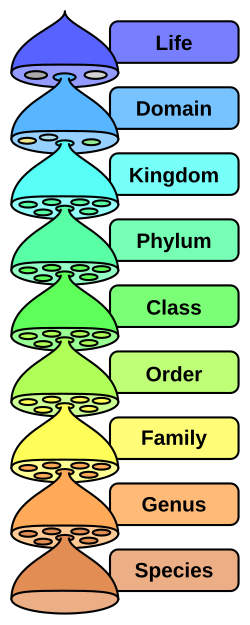
In the study of biology, a kingdom serves as the second-highest taxonomic rank, positioned immediately below the domain. This classification system allows scientists to organize the vast diversity of life into manageable groups. Kingdoms are further subdivided into smaller groups known as phyla (singular: phylum), creating a structured hierarchy that helps researchers identify and categorize organisms based on shared characteristics.
While the concept of a kingdom is foundational, the specific number of kingdoms recognized varies by region and scientific approach. For instance, textbooks in the United States and parts of Canada often utilize a six-kingdom system, whereas those in the United Kingdom, India, Brazil, and other nations frequently employ a five-kingdom model.
Key Facts
- Taxonomic Position: Kingdoms sit below domains and above phyla.
- Regional Variation: Common systems include five-kingdom (e.g., UK, India) and six-kingdom (e.g., USA) models.
- Modern Shift: Some modern cladistics—the method of classifying organisms based on common ancestry—have abandoned the term "kingdom" because some traditional groups are not monophyletic (meaning they do not include all descendants of a common ancestor).
- Regional Terms: The terms flora (plants), fauna (animals), and funga (fungi) are used to describe life in specific regions or time periods.
The Historical Evolution of Kingdoms
The way scientists categorize life has shifted dramatically as tools for observation and genetic analysis have improved. Early systems were simple, often dividing the world into just two or three categories.
Early Classifications
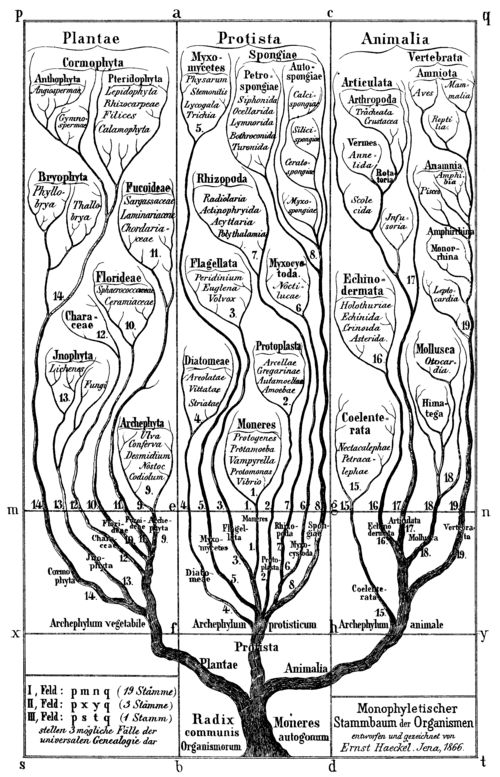
The earliest models were rudimentary. Some early systems recognized only two kingdoms: Regnum Animale (animals) and Regnum Vegetabile (plants), while occasionally including Regnum Lapideum (minerals) as a non-living category. By 1866, Ernst Haeckel introduced a third kingdom, Protista, to account for organisms that did not fit neatly into the plant or animal categories.
The Five and Six Kingdom Models
As microbiology advanced, the need to separate prokaryotes (organisms without a nucleus) from eukaryotes (organisms with a nucleus) became apparent. The five-kingdom system typically includes Animalia, Plantae, Fungi, Protista, and Monera. The six-kingdom system further splits Monera into two distinct groups: Bacteria (Eubacteria) and Archaea (Archaebacteria).
Cavalier-Smith's Contributions
Biologist Thomas Cavalier-Smith proposed several revised systems to better reflect evolutionary relationships. His models have ranged from eight kingdoms to a refined six-kingdom system (1998), which introduced Chromista and Protozoa as distinct entities from the traditional Protista.
Beyond Traditional Kingdoms: Domains and Supergroups
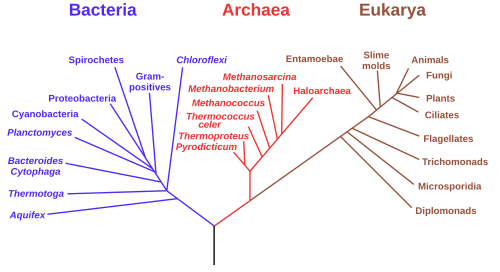
Modern biology has largely moved toward a three-domain system based on ribosomal RNA (rRNA) data. This system recognizes that the differences between Bacteria and Archaea are as significant as the differences between Bacteria and Eukaryotes.
The Three Domains of Life
- Bacteria: True bacteria (Eubacteria).
- Archaea: Ancient prokaryotes often found in extreme environments.
- Eukarya: All organisms with complex cells, including plants, animals, fungi, and protists.
Eukaryotic Supergroups
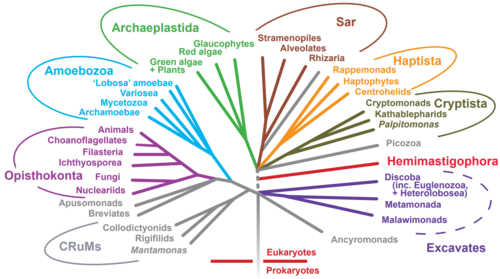
Within the domain Eukarya, scientists now often use supergroups to describe relationships more accurately than the traditional kingdom system. These include Excavata, Amoebozoa, Opisthokonta (which includes animals and fungi), Rhizaria, Chromalveolata, and Archaeplastida (land plants and algae).
Summary of Taxonomic Systems
| Proposer/Year | Top Level | Number of Kingdoms | Key Groups Included |
|---|---|---|---|
| Linnaeus (1735) | Kingdoms | 2 | Animalia, Plantae |
| Haeckel (1866) | Kingdoms | 3 | Animalia, Plantae, Protista |
| Whittaker (1969) | Kingdoms | 5 | Animalia, Plantae, Fungi, Protista, Monera |
| Woese et al. (1990) | Domains | 3 | Bacteria, Archaea, Eukarya |
| Cavalier-Smith (1998) | Empire/Kingdom | 6 | Protozoa, Chromista, Plantae, Fungi, Animalia, Bacteria |
Frequently Asked Questions
What is the difference between a domain and a kingdom?
A domain is the highest taxonomic rank of organisms. A kingdom is the second-highest rank, meaning every kingdom exists within a domain. For example, the kingdom Animalia is part of the domain Eukarya.
Why do different textbooks list different numbers of kingdoms?
Taxonomy is an evolving science. Different regions and academic traditions adopt different models based on whether they prioritize traditional morphology or modern genetic data (cladistics).
What does it mean for a kingdom to be non-monophyletic?
A group is non-monophyletic if it does not include all the descendants of a single common ancestor. Modern scientists prefer monophyletic groups because they more accurately represent evolutionary history.
Which organisms are included in the kingdom Monera?
In the five-kingdom system, Monera includes all prokaryotic organisms. In more modern systems, this group is split into the domains Bacteria and Archaea.
What are the three domains of life?
The three domains are Bacteria, Archaea, and Eukarya. This system is based on rRNA data and distinguishes between the two types of prokaryotes and the complex eukaryotic cells.