Plant Ecology: The Science of Vegetation, Interactions, and Global Life
Plant ecology is a specialized branch of ecology that investigates how plants live, where they grow, and how they interact with their surroundings. By studying the distribution and abundance of plant life, scientists can uncover the complex relationships between plants, their environment, and other living organisms. From the way desert plants compete for scarce water to how grazing herds shape the composition of vast grasslands, plant ecology provides a window into the mechanics of our natural world.
This discipline covers a massive spectrum of life, ranging from microscopic, single-celled floating algae to the massive, canopy-forming trees that define our forests. To understand this complexity, ecologists look at various levels of organization, including plant ecophysiology, population ecology, community ecology, ecosystem ecology, landscape ecology, and biosphere ecology.
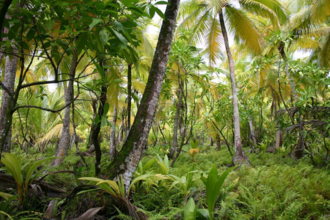
Key Facts
- Core Focus: Studies plant distribution, abundance, and environmental influences.
- Major Drivers: Key processes include photosynthesis, competition, and succession.
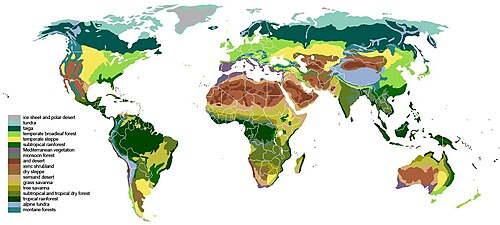
- Global Diversity: Recognizes 11 major vegetation types, including tropical forests, tundras, and wetlands.
- Atmospheric Impact: Plants played a vital role in oxygenating Earth's atmosphere approximately 2 billion years ago.
- Biological Interactions: Includes mutualism, commensalism, and parasitism.
The Foundation of Plant Life: Photosynthesis and Climate
At the heart of plant life is photosynthesis, a chemical process occurring primarily in the leaves that converts light into glucose and oxygen. This process is not just vital for individual plants; it has fundamentally shaped the history of our planet. Roughly 2 billion years ago, plants began creating an oxygenated atmosphere, a transition evidenced by the appearance of banded iron formations—sedimentary rocks rich in iron oxide.
By removing carbon dioxide from the atmosphere, plants also initiated a long-term process of climate regulation. This shift in atmospheric composition, characterized by increasing oxygen and decreasing carbon dioxide, is believed to be closely linked to major evolutionary milestones, such as the first movement of life onto land.
Historical Development of the Discipline
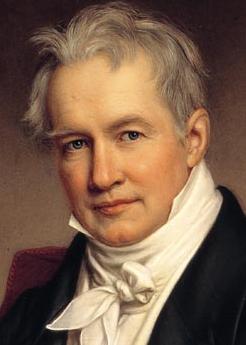
The roots of plant ecology lie in the marriage of plant physiology and plant geography. Early pioneers like Carl Ludwig Willdenow observed that similar climates often produced similar vegetation types across different continents. His student, Alexander von Humboldt, advanced this by using physiognomy—the outward appearance of vegetation—to describe how environmental factors dictate plant distribution.
As the field matured, several key figures shaped its modern form:
- Joakim Frederik Schouw: Linked plant distribution to temperature and introduced the practice of naming plant associations using the suffix -etum.
- Eugenius Warming: Integrated morphology, physiology, and taxonomy to create one of the first true frameworks for plant ecology.
- Henry Chandler Cowles and Frederic Clements: Introduced the critical concept of succession—the process by which plant communities change over time.
- Arthur Tansley: A key figure in mapping British plant communities and helping organize the first professional ecological societies.
Biological Interactions and Community Dynamics
Plants do not exist in isolation; they are part of a web of biological interactions. These relationships are often categorized by how they affect the participants involved.
Mutualism
Mutualism occurs when two species interact in a way that benefits both. A primary example is mycorrhizae, a symbiotic relationship between plants and fungi. The plant provides carbohydrates to the fungus, while the fungus assists the plant in nutrient uptake, particularly phosphate.
Commensalism and Parasitism
In commensalism, one species benefits while the other remains unaffected. Epiphytes—plants like certain mosses or tropical orchids that grow on the branches of other trees—are classic examples. While they gain a physical platform for survival, they do not harm or help their host. However, ecologists note that commensals can sometimes transition into parasites, which actively harm their hosts.
Competition and Herbivory
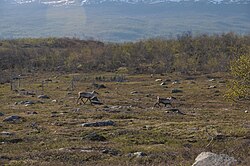
Competition arises when organisms vie for the same limited resources, such as light, water, or nutrients. This can be driven by abiotic factors (non-living elements like climate) or biotic factors (living elements like herbivory). Herbivory, the consumption of plant material by animals, is a major force that can alter plant abundance and community structure.
Global Vegetation Patterns
Ecologists categorize the Earth's surface into distinct vegetation types. According to O.W. Archibold, there are 11 major types that define our global landscape.
| Category | Examples/Description |
|---|---|
| Forests | Tropical, Temperate Deciduous, and Coniferous |
| Grasslands & Savannas | Tropical Savannas and Temperate Grasslands |
| Arid & Mediterranean | Deserts and Mediterranean ecosystems |
| Cold Regions | Tundra (Polar and High Mountain) |
| Wetlands & Aquatic | Terrestrial wetlands, Freshwater, and Coastal/Marine systems |
Frequently Asked Questions
What is the difference between plant ecology and general ecology?
While ecology is the broad study of all organisms and their environments, plant ecology is a specific subdiscipline focused exclusively on the distribution, abundance, and interactions of plants.
How do plants influence the Earth's atmosphere?
Through photosynthesis, plants absorb carbon dioxide and release oxygen. Over billions of years, this process has significantly increased atmospheric oxygen levels and helped regulate the global climate.
What is plant succession?
Succession is the process of change in the species structure of an ecological community over time. It explains how a landscape might transition from bare ground to a complex forest community.
What are epiphytes?
Epiphytes are plants that grow on the surface of other plants (the hosts) for physical support. They are a form of commensalism, meaning they benefit from the position without harming the host plant.
How is plant abundance measured?
Depending on the plant's life form, ecologists may measure abundance using density (number of individuals), biomass (total mass), or plant cover (the area of ground covered by plants).