Perry Bradford: The Visionary Behind the First Vocal Blues Recording
In the early 20th century, the American recording industry largely ignored the authentic sounds of African-American musical subcultures. While Black artists did record, they were often pressured to mimic the style of white dance orchestras, stripping the music of its cultural identity. This changed thanks to the persistence of Perry Bradford, a composer and performer who fought to bring the raw, emotive power of the blues to the masses.
Bradford was more than just a musician; he was a catalyst for cultural shift. By leveraging his experience in vaudeville and minstrel shows, he bridged the gap between traditional folksongs and the commercial recording studio, forever altering the trajectory of American music.
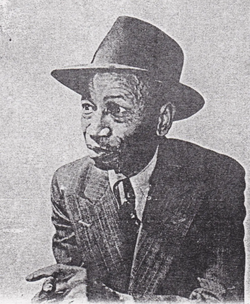
Key Facts
- Historic Milestone: Orchestrated the first recording of vocal blues by an African-American singer in 1920.
- Key Collaboration: Persuaded Okeh Records to record Mamie Smith, serving as her musical director.
- Famous Works: Composed "Crazy Blues," "That Thing Called Love," and "You Can't Keep A Good Man Down."
- Cultural Impact: Produced Made in Harlem (1918), one of the first stage productions to bring blues to Northern audiences.
- Notable Peers: Worked with legends including Louis Armstrong, James P. Johnson, and Alberta Hunter.
Early Life and Artistic Foundations
Born on February 14, 1893, in Montgomery, Alabama, Perry Bradford moved to Atlanta at the age of six. His professional journey began in 1906 when he started working in minstrel shows (a form of theatrical entertainment common in the 19th and early 20th centuries). These traveling shows provided Bradford with deep exposure to African-American folksongs, which would later become the foundation of his compositions.
By 1909, Bradford was performing as a solo pianist in Chicago, and by 1910, he had reached New York City. For over a decade, from 1908 to 1919, he toured the South and North in a song-and-dance act known as "Bradford and Jeanette," honing his skills as a pianist, singer, dancer, and composer.
Breaking the Racial Barrier in Recording
During the early 1900s, racial prejudice created a ceiling for Black musicians. Bradford recognized that the recording industry was missing a massive opportunity by ignoring the authentic style of African-American music. He became known for his stubbornness—earning him the nickname "Mule"—which proved essential in his battle to convince record executives to value cultural authenticity.
Bradford's breakthrough came when he convinced Frederick W. Hager of Okeh Records to record Mamie Smith. This partnership led to the 1920 recording of "Crazy Blues," marking the first time an African-American blues singer appeared on record. Bradford also organized the session for "That Thing Called Love," which featured a Black artist accompanied by a white studio band, further pushing the boundaries of the era.

Professional Network and Later Years
Bradford established himself in the heart of New York's music scene, maintaining offices in the Gaiety Theatre building in Times Square. This hub, nicknamed "Uncle Tom's Cabin" by George M. Cohan, was shared by other prominent Black musicians such as W.C. Handy, Eubie Blake, and Bill Robinson.
Between 1923 and 1927, Bradford headed seven of his own recording sessions. His collaborations were prestigious, featuring sidemen such as Bubber Miley, Garvin Bushell, Buster Bailey, James P. Johnson, and Louis Armstrong. Notably, Armstrong's 1925 sessions with Bradford were his final recordings in New York before returning to Chicago.
However, the 1929 stock market crash and evolving tastes in jazz began to diminish Bradford's influence. As the Great Depression took hold, he faded into obscurity. In his later years, he published his autobiography, Born With the Blues (1965), though some historians suggest he may have exaggerated his role in the early blues movement as a reaction to being forgotten. His legacy saw a resurgence in 1957 when Little Richard recorded a hit version of Bradford's "Keep A-Knockin'."
Summary of Perry Bradford's Career
| Category | Details |
|---|---|
| Lifespan | February 14, 1893 – April 20, 1970 |
| Primary Roles | Composer, Songwriter, Vaudeville Performer, Musical Director |
| Major Achievement | First African-American vocal blues recording (1920) |
| Key Artist | Mamie Smith |
| Notable Songs | "Crazy Blues," "That Thing Called Love," "Keep A-Knockin'" |
| Key Production | Made in Harlem (1918) |
Frequently Asked Questions
Who was the first African-American blues singer to record?
Mamie Smith was the first African-American blues singer to appear on record, performing Perry Bradford's "Crazy Blues" in 1920.
What was Perry Bradford's role in the recording of "Crazy Blues"?
Bradford wrote the song, persuaded Okeh Records to record it, and served as Mamie Smith's musical director.
What was the significance of the show "Made in Harlem"?
Bradford claimed that Made in Harlem (1918) was the first stage production to bring blues material to a large audience in Harlem, New York.
Which famous jazz musician recorded with Perry Bradford in 1925?
Louis Armstrong recorded two numbers with Bradford in 1925, which were his final New York sessions before he returned to Chicago.
How did the Great Depression affect Perry Bradford?
The economic crash of 1929, combined with changes in the style of jazz and African-American music, led to a decline in Bradford's influence and eventually pushed him into obscurity.