Funk Music: The History, Rhythm, and Evolution of the Groove
Funk is a high-energy genre of African-American music that emerged in the mid-1960s in the United States. Rooted in a blend of soul, rhythm and blues (R&B), jazz, and gospel, funk shifted the musical focus from melody and harmony to a heavy, rhythmic groove. By emphasizing the rhythmic drive over traditional song structures, funk created a foundation for countless modern genres, from disco and hip-hop to contemporary R&B and techno.
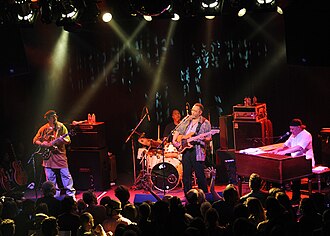
At its core, funk is about the "groove"—a repetitive, interlocking rhythmic pattern that compels the listener to move. This sound is driven by a tight rhythm section where the bass and drums work in tandem to create a powerful, syncopated feel.
Key Facts
- Origin: Mid-1960s, United States.
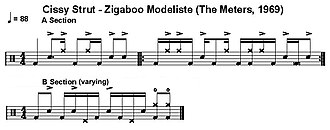
- Core Philosophy: Emphasis on the downbeat (the "one") rather than the backbeat.
- Primary Influences: Soul, R&B, Jazz, and Gospel.
- Pioneers: James Brown is widely credited as the progenitor of the funk sound.
- Legacy: Directly influenced the birth of disco, hip-hop, and G-funk.
The Rhythmic Foundation of Funk
The transition to funk involved a fundamental shift in how American popular music handled time. In the post-World War II era, New Orleans R&B began incorporating the syncopated (displaced beats) but straight subdivision feel of Cuban music. This moved away from the triplet or "shuffle" feel common in earlier R&B and ballads.

The Power of "The One"
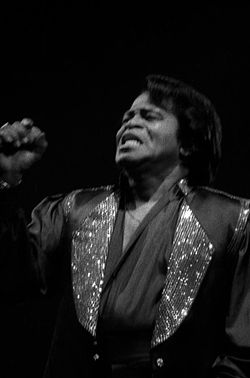
James Brown revolutionized the genre by shifting the percussion emphasis. While traditional soul music relied on a backbeat (accents on beats two and four), Brown emphasized the downbeat—the first beat of every measure. He famously cued his band with the command "On the one!" This created a hard-driving, repetitive sound characterized by an even-note syncopated guitar rhythm and brassy swings.
This stylistic shift became evident in landmark hits such as "Out of Sight" (1964), "Papa's Got a Brand New Bag" (1965), and "I Got You (I Feel Good)" (1965).
Instruments and Musical Characteristics
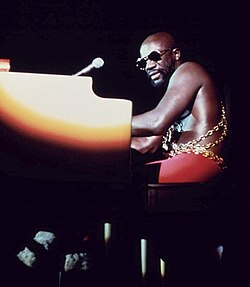
The funk sound is defined by the interplay of specific instruments, each contributing to the overall rhythmic layer.
The Rhythm Section
- Bass Guitar: The melodic and rhythmic anchor, often playing complex, syncopated lines.
- Drums: Provide the steady, driving pulse, often utilizing ghost notes and heavy kick drum patterns.
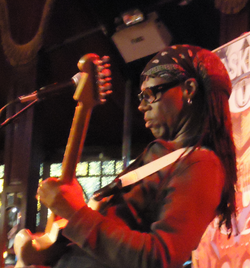
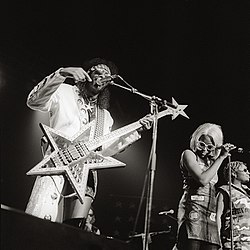
- Electric Guitar: Typically used as a percussion instrument, playing short, muted chords (scratching) to add to the rhythm.
- Keyboards: Instruments like the Clavinet and analog synthesizers add texture and harmonic depth.
Harmony and Horns
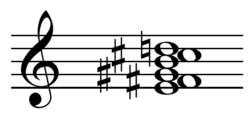
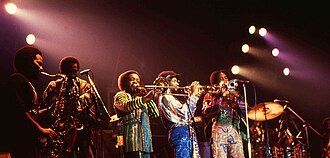
Funk often employs complex harmony, such as the thirteenth chord (containing a flat 7th and a 9th), to create a sophisticated, jazzy tension. Horn sections—typically consisting of saxophones, trumpets, and occasionally trombones or bari saxes—provide punchy, rhythmic accents.
Evolution and Subgenres
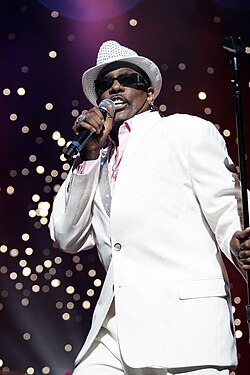
As funk evolved, it branched into various styles, blending with other genres to create new sounds.
Jazz-Funk and P-Funk
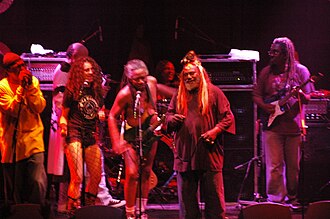
In the 1970s, jazz-funk emerged, blending jazz improvisation with electrified sounds and analog synthesizers. It ranged from complex jazz arrangements to soul-infused club music. Simultaneously, groups like Parliament-Funkadelic (P-Funk) expanded the genre's boundaries with psychedelic elements and elaborate costumes.
Synth-Funk and Electro
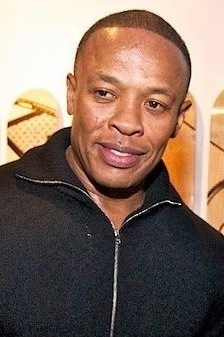
The 1980s saw the rise of machine-driven funk. Influenced by Kraftwerk and Yellow Magic Orchestra, Afrika Bambaataa developed electro-funk (or electro), utilizing the TR-808 drum machine and synthesizers. This minimalist style heavily influenced Michael Jackson and the early development of hip-hop.
Fusion and Modern Variants
Funk's versatility led to several fusion genres:
- Funk Metal: A blend of heavy metal riffs and funk bass rhythms, pioneered by bands like Living Colour.
- G-Funk: A regional derivative of funk used extensively in West Coast hip-hop.
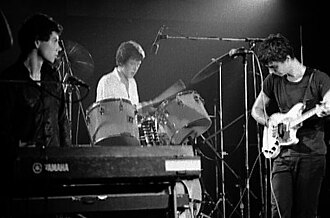
- Nu-Funk: Explored by jam bands like Phish in the late 1990s, often featuring "cow funk"—extended, psychedelic bass grooves.
Funk Summary Table
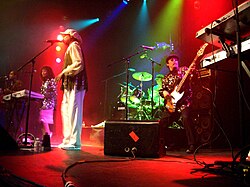
| Era/Style | Key Characteristics | Notable Artists/Examples |
|---|---|---|
| Early Funk (1960s) | Emphasis on "The One," brassy swings | James Brown |
| Jazz-Funk (1970s) | Analog synths, jazz improvisation | Herbie Hancock, various club acts |
| P-Funk (1970s) | Psychedelic soul, elaborate style | Parliament-Funkadelic |
| Electro-Funk (1980s) | TR-808 drum machines, minimalist | Afrika Bambaataa |
| Funk Metal (1980s/90s) | Thrash riffs, pounding funk bass | Living Colour |
Frequently Asked Questions

Who is considered the father of funk?
James Brown is widely regarded as the pioneer of funk. He shifted the musical emphasis from the backbeat to the downbeat (the "one"), creating the signature groove that defines the genre.
What is the difference between soul and funk?
While soul music focuses more on melody and emotional vocal delivery with a traditional backbeat, funk prioritizes the rhythmic groove and syncopation, often treating instruments like the guitar and horns as percussion.
What is "the one" in funk music?
"The one" refers to the first beat of a four-beat measure. In funk, this beat is heavily emphasized to provide a strong anchor for the syncopated rhythms occurring on the subsequent beats.
How did funk influence hip-hop?
Funk provided the rhythmic and harmonic foundation for hip-hop. Early hip-hop DJs sampled funk breakbeats (drum solos), and later subgenres like G-funk directly adopted the synthesizers and bass lines of 1970s funk.
What instruments are essential for a funk sound?
The essential core is the rhythm section: electric bass, drums, electric guitar, and keyboards (such as the Clavinet). Horn sections featuring trumpets and saxophones are also common for adding rhythmic punctuation.