Performing Arts: A Global History of Music, Dance, and Drama
The performing arts encompass creative disciplines where artists use their voices, bodies, or instruments to convey artistic expression before a live audience. Unlike the visual arts, which result in static or physical objects like paintings or sculptures, the performing arts are ephemeral experiences that exist in the moment of performance.
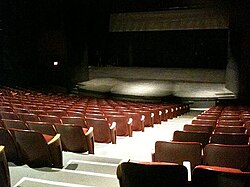
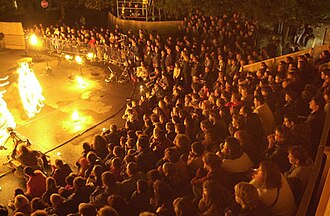
These art forms are versatile in their presentation, occurring in purpose-built venues such as opera houses and theatres, as well as in open-air festivals, street settings, and through recorded media like film and television.
Key Facts
- Core Disciplines: Primarily includes music, dance, and drama.
- Global Presence: Traditions exist in every society, with music and dance dating back to prehistoric times.
- UNESCO Recognition: Forms such as Japanese Noh, Kabuki, and Indian classical dance are recognized as Intangible Cultural Heritage of Humanity.
- Evolution: Progressed from ancient religious and ceremonial functions to modern postmodern expressions that blur disciplinary boundaries.
The Evolution of Western Performing Arts
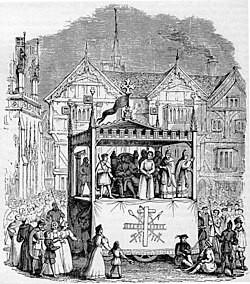
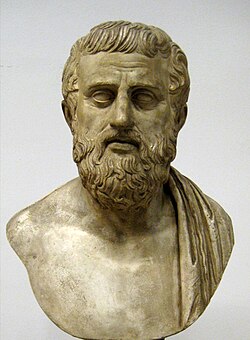
Western traditions began with the tragedy and comedy of Ancient Greece, establishing the foundations of dramatic structure. During the Middle Ages, these evolved into mystery plays, which often depicted biblical stories.
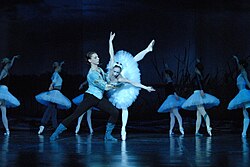
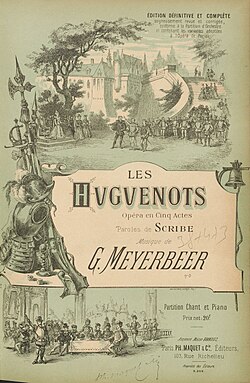
The Renaissance marked a pivotal shift with the emergence of opera (a dramatic work set to music) and ballet (a highly stylized form of dance). This expansion continued into the Romantic era, which saw the rise of grand opera, characterized by large-scale productions and intense emotional themes.
Modernist and Postmodern Revolutions
The early 20th century brought a wave of modernist change. Visionaries like Isadora Duncan redefined dance, while Konstantin Stanislavski and Sergei Diaghilev reworked the fundamental principles of theatre and choreography.
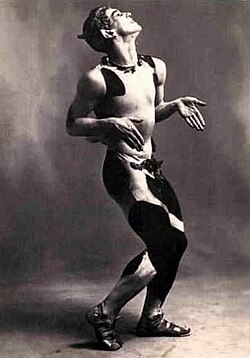
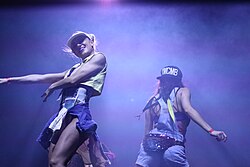
In the contemporary era, postmodern performance has emerged, frequently challenging the traditional boundaries between different artistic disciplines to create hybrid experiences.
Global and Indigenous Traditions
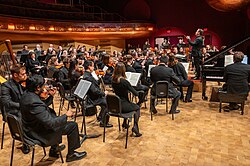
Performing arts serve diverse religious, ceremonial, and entertainment functions across the globe. Many of these traditions are deeply rooted in the oral and spiritual history of their respective cultures.
Eastern and Asian Traditions
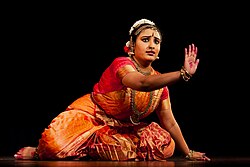
In Asia, theatrical and dance forms are among the oldest in the world. Japan is renowned for Noh and Kabuki, while India possesses a rich history of classical dance, such as Bharatanatyam, which originated in Tamil Nadu.
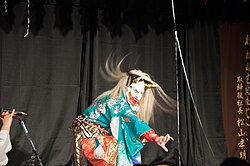
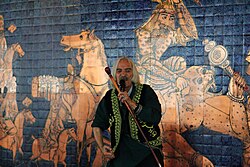
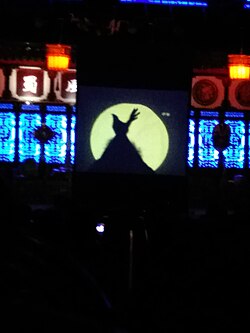
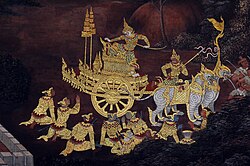
Other notable traditions include the naqqāl (storytellers) of Iran, the shadow drama of China, and the Ramakien performances in Thailand.
African and American Traditions
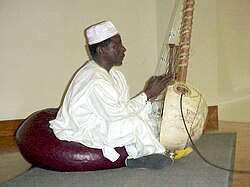
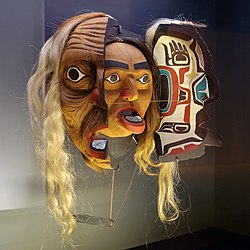
African performing arts often blend music and storytelling, exemplified by the Mandinka Griots of the Gambia who perform oral traditions using the kora (a stringed instrument). In the Americas, indigenous traditions include the use of transformation masks by the Kwakwa̱ka̱ʼwakw and ceremonial dances among the Mexica people.
Summary of Performing Arts Disciplines
| Discipline | Primary Medium | Examples/Forms |
|---|---|---|
| Theatre | Dialogue, Acting, Stagecraft | Greek Tragedy, Kabuki, Mystery Plays |
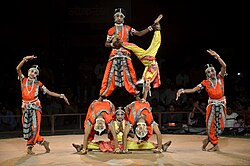
| Dance | Human Body, Movement | Ballet, Bharatanatyam, Gotipua |
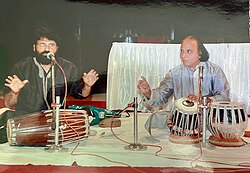
| Music | Sound, Voice, Instruments | Symphony, Kora traditions, Opera |
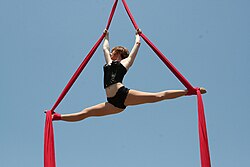
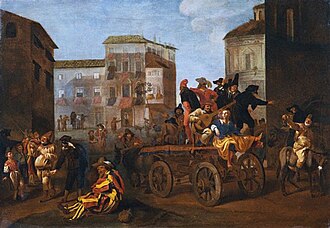
| Hybrid/Other | Mixed Media | Film, Circus, Street Theatre |
Frequently Asked Questions
How do performing arts differ from visual arts?
Performing arts are time-based and experienced live through the artist's actions, whereas visual arts produce static, physical objects such as paintings or sculptures.
Which performing arts are recognized by UNESCO?
UNESCO has recognized several forms as Intangible Cultural Heritage of Humanity, including Japanese Noh and Kabuki, as well as various Indian classical dance forms.
What are some examples of non-Western performing arts?
Examples include the Iranian naqqāl storytelling, Chinese hand shadow drama, the Mandinka Griot traditions of Africa, and the Kabuki theatre of Japan.
Who were some influential figures in modern dance and theatre?
Isadora Duncan, Konstantin Stanislavski, and Sergei Diaghilev were key figures in the early 20th century who revolutionized the principles of dance and theatrical performance.