Kolkata: The Cultural Capital and Gateway of Eastern India
Known affectionately as the City of Joy, Kolkata (formerly Calcutta) is a sprawling megacity in West Bengal that serves as the primary gateway to Eastern India. As a center of art, intellect, and history, it is widely regarded as the Cultural Capital of India. From its colonial-era architecture to its cutting-edge research institutes, Kolkata blends a rich heritage with the energy of a modern metropolis.
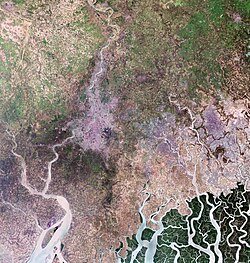
Key Facts
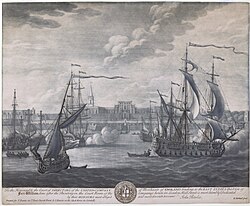
- Global Standing: Ranked as the 3rd largest metro in India and 9th largest in the world.
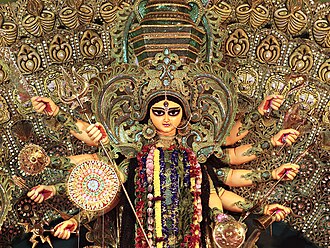
- UNESCO Recognition: The city's Durga Puja festival was designated as an Intangible Cultural Heritage of Humanity in 2021.
- Environmental Significance: Home to the East Kolkata Wetlands, a designated Ramsar Wetland of International Importance since 2002.
- Unique Transit: Operates the only remaining tramway system in India.
- Economic Power: Boasts a Metro GDP (PPP) of approximately $224 billion.
Geography and Climate
Kolkata is situated in the Presidency division of West Bengal at an elevation of 9 meters (30 ft). The city experiences a tropical climate characterized by significant seasonal variations in temperature and rainfall.
The region sees its heaviest rainfall during the monsoon months of June through September, with August typically recording the highest average rainfall (approximately 372.1 mm at Alipore). Temperatures peak in May, with record highs reaching 43.9°C, while the coolest periods occur in January, where record lows have dipped to 6.7°C.
Urban Structure and Infrastructure
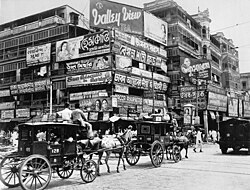
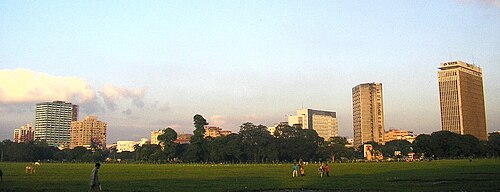
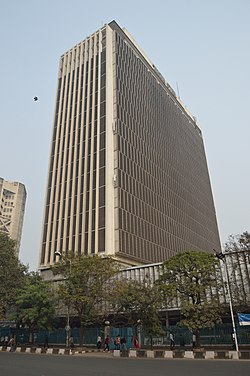
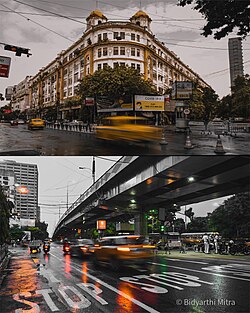
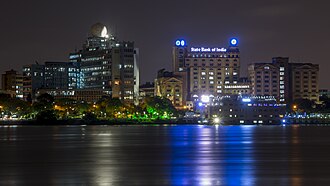
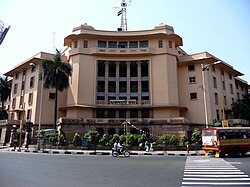
The cityscape of Kolkata is a mixture of historic landmarks and modern high-rises. The Central Business District (CBD) features prominent structures like the Tata Steel building and the GoWB New Secretariat Building.
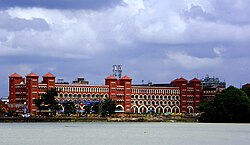
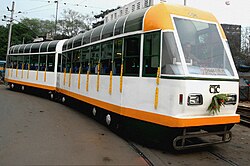
The city's transport network is diverse, integrating several modes of transit:
- Rail: The Howrah Junction railway station is the largest and busiest railway complex in India as of 2024.
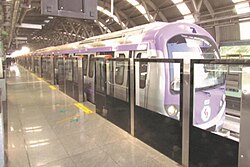
- Rapid Transit: The Kolkata Metro, including the Green Line, provides high-capacity urban movement.
- Heritage Transit: The Calcutta Tramways Company, founded in 1902, continues to operate the city's iconic trams.
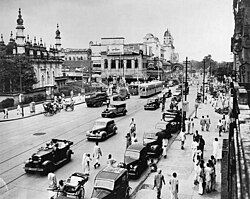
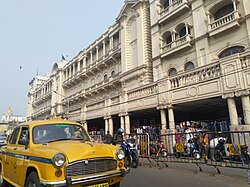
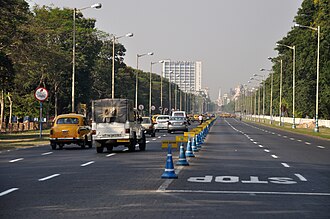
- Roads: Major arteries like Red Road facilitate traffic across Central Kolkata, while the famous yellow taxis remain a staple of the city's identity.
Demographics and Society
Kolkata is a densely populated hub with a metro population estimated at 20,534,000 by 2025. The city is a melting pot of religions and languages, with Bengali and English serving as the official languages.
According to census data, Hinduism is the majority religion (76.51%), followed by Islam (20.60%). Other communities, including Christians, Sikhs, Jains, and Buddhists, contribute to the city's pluralistic social fabric.
| Category | Detail |
|---|---|
| Official Languages | Bengali, English |
| Metro Population (2025 Est.) | 20,534,000 |
| Human Development Index (HDI) | 0.780 (High) |
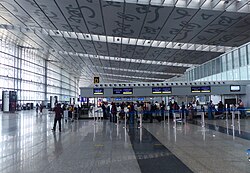
| Major Airport | Netaji Subhas Chandra Bose International Airport |
| Administrative Body | Kolkata Municipal Corporation |
Education, Research, and Culture
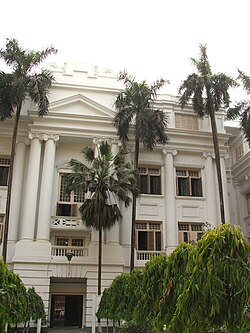
Kolkata is a premier center for higher education and scientific research. It is home to prestigious institutions such as the University of Calcutta, Presidency University, and the Calcutta Medical College.
The city's commitment to science is evident in its numerous research centers, including the Bose Institute, the Saha Institute of Nuclear Physics (SINP), and the Indian Institute of Science Education and Research (IISER).
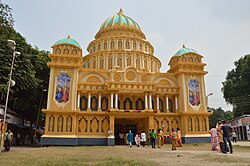
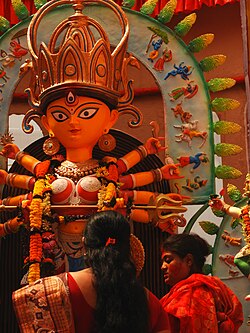
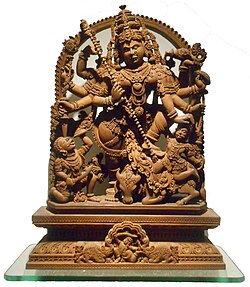
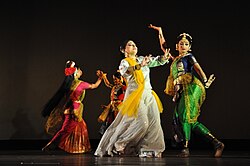
Culturally, the city is defined by its festivals and arts. Durga Puja is the most significant festival for Bengali Hindus, featuring grand pandals (temporary structures) and intricate designs. The city also celebrates the legacy of Rabindranath Tagore through Rabindra Sangeet, a distinct genre of music.
Sports and Landmarks
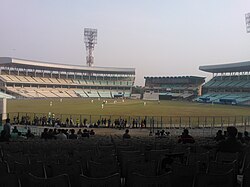
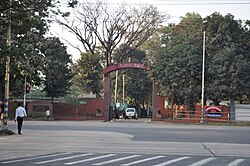
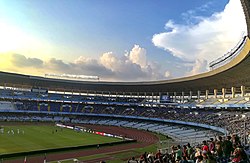
Kolkata is a passionate sporting city. Eden Gardens, established in 1864, stands as the oldest cricket stadium in India, while the Salt Lake Stadium is a major venue for football.
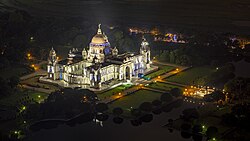
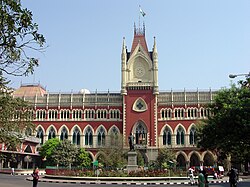
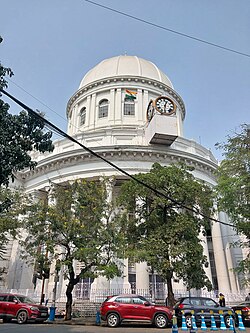
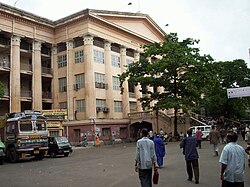
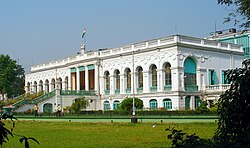
Architectural landmarks that define the city's skyline include the Victoria Memorial, the Calcutta High Court, the General Post Office, and the historic Fort William.
Frequently Asked Questions

What is the significance of Durga Puja in Kolkata?
Durga Puja is the largest festival for Bengali Hindus in the city. Due to its immense cultural importance and grand scale, it was recognized by UNESCO in 2021 as an Intangible Cultural Heritage of Humanity.
Which is the busiest railway station in India?
As of 2024, the Howrah Junction railway station in Kolkata is the largest and busiest railway complex in India.
Does Kolkata still have trams?
Yes, the Kolkata tramway is the only operational tram system remaining in India, having been founded in 1902.
What are the East Kolkata Wetlands?
The East Kolkata Wetlands are a designated Ramsar Wetland of International Importance, recognized since August 19, 2002, for their ecological value.
What are the primary official languages of Kolkata?
The official languages of the city are Bengali and English.