Peace Movements: A Global History of Pacifism and Nonviolence
The quest for a world without conflict is not a modern phenomenon but a recurring theme throughout human history. From medieval religious decrees to global anti-nuclear marches, peace movements have evolved from small, faith-based circles into massive international coalitions. These movements have consistently challenged the legitimacy of war, advocating for pacifism—the belief that war and violence are unjustifiable—and seeking systemic ways to resolve human conflict through diplomacy and nonviolence.
The Early Foundations: Religious and Secular Roots
The first organized efforts to curb violence in Europe emerged during the Middle Ages. The Peace of God (Pax Dei), proclaimed in AD 989 at the Council of Charroux, was led by bishops to protect monasteries from increasing violence following the fall of the Carolingian dynasty. This was followed by the Truce of God in 1027, which restricted the specific days and times of the year when nobility could engage in warfare. Together, these initiatives established the groundwork for future European peace activism.
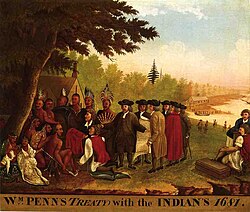
By the 16th century, the Reformation introduced "peace churches," including the Mennonites, Amish, the Church of the Brethren, and the Religious Society of Friends, known as Quakers. The Quakers, in particular, adopted a pacifist interpretation of Christianity by 1660, refusing to serve in militias or pay fines to avoid military service during Britain's 18th-century wars.
During the 18th century, two distinct intellectual currents merged to fuel the peace movement. The secular Age of Enlightenment, represented by thinkers like Immanuel Kant, Jean-Jacques Rousseau, and Jeremy Bentham, viewed peace as a rational necessity. Simultaneously, an evangelical religious revival, led by figures such as William Wilberforce, promoted peace as a Christian ideal of brotherhood, often linking it to the campaign for the abolition of slavery.
The Rise of Formal Organizations in the 19th Century
The aftermath of the Napoleonic Wars (1793–1814) saw the birth of formal peace societies. In the United States, the New York Peace Society (1815) and the Massachusetts Peace Society eventually merged into the American Peace Society. In Britain, William Allen founded the London Peace Society in 1816. These organizations used literature and public meetings to highlight the horrors of war and advocate for pacifism on Christian grounds.
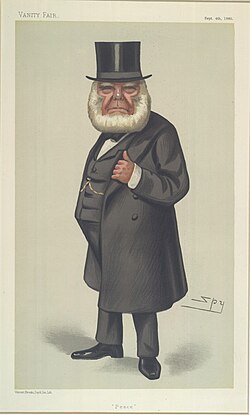
As the century progressed, the movement shifted toward arbitration—the process of settling disputes through a neutral third party rather than through combat. The first International Peace Congress in 1843 sought to create an international institution for this purpose. Henry Richard, known as the "Apostle of Peace," helped secure a commitment to arbitration from the Great Powers in the 1856 Treaty of Paris.
Expanding Influence and Global Reach
By the late 19th century, peace activism began to intersect with working-class socialist movements. Randal Cremer and Frédéric Passy founded the Inter-Parliamentary Union in 1889 to facilitate conflict arbitration. Meanwhile, in the Austro-Hungarian Empire, Baroness Bertha von Suttner became a global icon of pacifism through her novel Die Waffen nieder! (Lay Down Your Arms!). Her efforts led her to become the first woman to win the Nobel Peace Prize in 1905.
Mahatma Gandhi and the Power of Nonviolent Resistance
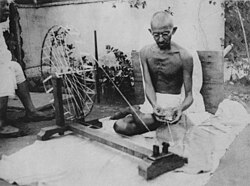
In the 20th century, Mahatma Gandhi transformed pacifism from a passive stance into a proactive political tool called nonviolent resistance. Influenced by Leo Tolstoy, Gandhi believed in the inherent goodness of human nature and used nonviolence to challenge colonial rule in India. While Tolstoy advocated for passive resistance, Gandhi integrated political involvement and strategic compromise to achieve national independence.
The World Wars and the Interwar Struggle
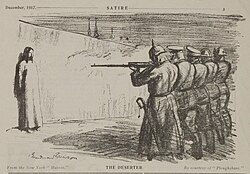
World War I prompted a push for a strong international body to enforce peace. Initiatives by Hamilton Holt and Viscount James Bryce were instrumental in the eventual creation of the League of Nations. During the war, groups like the Woman's Peace Party, led by Jane Addams, and the American Union Against Militarism protested the conflict. Notably, Jeannette Rankin, the first woman elected to the U.S. Congress, was the only member to vote against U.S. entry into both World Wars.
American industrialist Henry Ford also attempted to intervene, funding a "Peace Ship" to Europe in 1915 with 170 activists, though the mission lacked government support and faced significant ridicule.
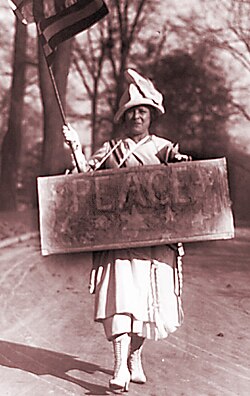
The Interwar Period and the "Merchants of Death"
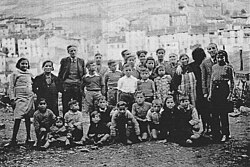
The staggering casualties of WWI led to a widespread revulsion toward militarism. The 1934 book Merchants of Death popularized the theory that armaments manufacturers drove nations toward war for profit. This era saw the rise of the Peace Pledge Union (PPU) and War Resisters' International. However, the Spanish Civil War (1936–1939) tested these ideals, as many left-wing pacifists temporarily abandoned their principles to fight against fascism.
The Nuclear Age and Modern Activism
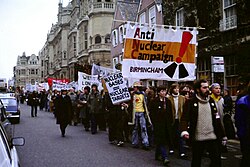
The development of nuclear weapons sparked a new, urgent wave of peace movements. In Japan, the Japanese Council Against Atomic and Hydrogen Bombs formed in 1954. In the UK, the Campaign for Nuclear Disarmament (CND) organized the Aldermaston Marches starting in 1958. Bertrand Russell later formed the Committee of 100 to employ more direct, non-hierarchical action and civil disobedience.
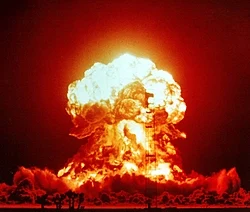
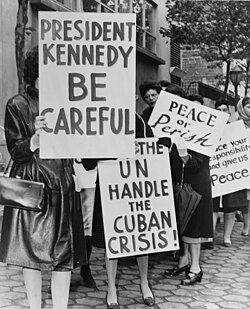
In the United States, Women Strike for Peace organized the largest national women's peace protest of the century in 1961. Scientific evidence also played a role; the 1961 Baby Tooth Survey revealed the public health risks of radioactive fallout, contributing to the 1963 Partial Nuclear Test Ban Treaty. Linus Pauling, a tireless campaigner against nuclear testing, was awarded the Nobel Peace Prize the day the treaty took effect.
Vietnam and the Cold War's End
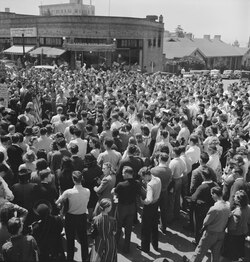
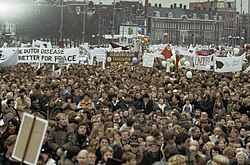
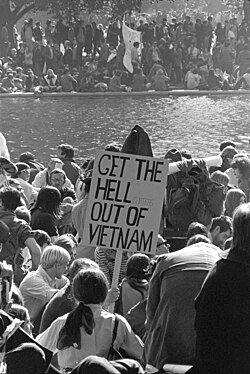
The Vietnam War protests of the 1960s brought anti-war sentiment into the American mainstream, fueled by reports of military abuses like the My Lai massacre. By the 1980s, massive protests erupted across Europe against the deployment of nuclear missiles. These movements, while sometimes supported by Moscow, eventually evolved into genuine calls for democracy, helping to trigger the peaceful revolutions of 1989 in Eastern Europe.
Key Facts
- Earliest Movements: The Peace of God (989) and Truce of God (1027) set the foundation for European peace activism.
- Peace Churches: Quakers, Mennonites, and Amish were early Protestant sects to formally repudiate violence.
- First Nobel Prize: Baroness Bertha von Suttner was the first woman to win the Nobel Peace Prize (1905).
- Nonviolent Resistance: Mahatma Gandhi developed a political creed of nonviolence influenced by Leo Tolstoy.
- Nuclear Milestones: The 1963 Partial Nuclear Test Ban Treaty was a direct result of public pressure and scientific research.
- Mass Mobilization: A 1982 protest in New York City's Central Park drew one million people, the largest political demonstration in U.S. history.
| Era | Key Focus | Notable Figures/Groups |
|---|---|---|
| Medieval | Restricting violence against clergy/civilians | Council of Charroux |
| 16th-18th Century | Religious pacifism and Enlightenment rationality | Quakers, Immanuel Kant |
| 19th Century | Formal societies and international arbitration | London Peace Society, Bertha von Suttner |
| Early 20th Century | Nonviolent resistance and global governance | Mahatma Gandhi, League of Nations |
| Post-WWII | Nuclear disarmament and anti-war protests | CND, Linus Pauling, Women Strike for Peace |
Frequently Asked Questions
What was the difference between the Peace of God and the Truce of God?
The Peace of God focused on protecting non-combatants, particularly monasteries, from violence. The Truce of God went further by limiting the specific days and times of the year when the nobility were permitted to engage in warfare.
How did Mahatma Gandhi's approach differ from Leo Tolstoy's?
While both loathed violence and opposed state authority, Tolstoy advocated for passive resistance. Gandhi, a nationalist, believed in political involvement and was willing to use nonviolent force and strategic compromise to achieve his goals.
What were the "merchants of death"?
This was a term popularized by a 1934 exposé alleging that armaments manufacturers intentionally promoted and prolonged wars to increase their own profits.
What was the significance of the Baby Tooth Survey?
Co-founded by Dr. Louise Reiss in 1961, the survey provided scientific evidence that above-ground nuclear testing caused radioactive fallout to enter the food chain (via cow's milk), posing a significant risk to public health.
How did peace movements contribute to the end of the Cold War in Europe?
In the 1980s, protests against nuclear missiles in Eastern Europe evolved from simple anti-war movements into calls for democracy, helping to resurrect civil society and instigate the peaceful revolutions of 1989.