Paul Ehrlich: The Father of Immunology and Pioneer of Chemotherapy
Paul Ehrlich was a visionary German physician and scientist whose work fundamentally transformed the landscape of modern medicine. Operating at the intersection of hematology (the study of blood), immunology (the study of the immune system), and antimicrobial chemotherapy, Ehrlich developed the theoretical and practical foundations for how we treat infectious diseases today.
He is most renowned for his pursuit of the "magic bullet"—a compound that could selectively target and kill a pathogen without harming the patient's own cells. This ambition led to the creation of the first targeted drug for syphilis and earned him the Nobel Prize in Physiology or Medicine in 1908.
Key Facts
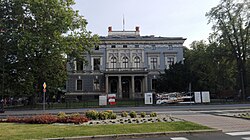
- Nobel Prize: Shared the 1908 Nobel Prize in Physiology or Medicine with Élie Metchnikoff.
- Major Discovery: Developed Salvarsan (Compound 606), the first effective treatment for syphilis.
- Cellular Biology: Discovered mast cells during his medical studies in Freiburg.
- Theoretical Contributions: Formulated the side-chain theory and the receptor theory.
- Legacy: The Paul Ehrlich Institute in Germany continues his legacy of serum and vaccine research.
Early Life and Academic Journey
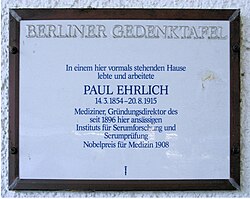
Born on March 14, 1854, in Strehlen, Silesia (now Poland), Paul Ehrlich grew up in a Jewish community where his father served as a local leader and innkeeper. His academic path was rigorous, spanning several prestigious institutions including the Universities of Breslau, Straßburg, Freiburg, and Leipzig, where he received his doctorate in 1878.
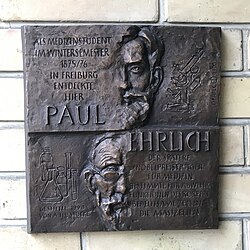
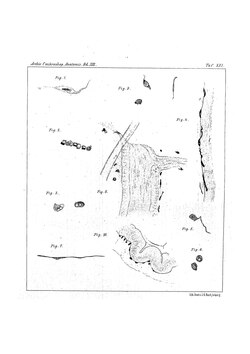
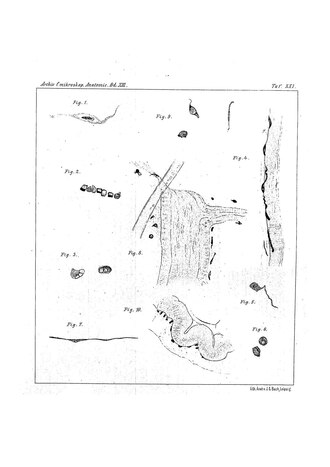
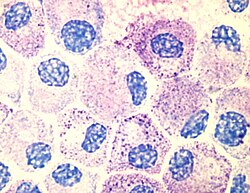
During his time as a medical student in the winter semester of 1875/76 at the University of Freiburg, Ehrlich made a pivotal discovery: the mast cell. This early interest in cellular structure would define much of his later research into how dyes interact with biological tissues.
Ehrlich's early work focused on histological staining—the process of coloring tissues to make them visible under a microscope. His ability to distinguish between different types of blood cells allowed physicians to diagnose numerous blood diseases for the first time.
Collaboration with Robert Koch
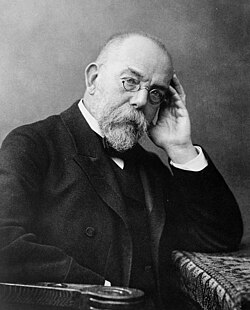
A defining relationship in Ehrlich's career was his friendship with Robert Koch, the legendary bacteriologist. After attending Koch's lectures on anthrax and tuberculosis, Ehrlich improved Koch's staining methods, cementing a professional bond. In 1891, Koch invited Ehrlich to join the Institute of Infectious Diseases in Berlin.
Ehrlich's loyalty to Koch was evident during the "tuberculin scandal," where he defended the diagnostic value of Koch's therapeutic agent. This collaboration provided Ehrlich with the laboratory resources and patient access necessary to transition from basic staining to complex serum research.
The Birth of Serum Therapy and Immunology
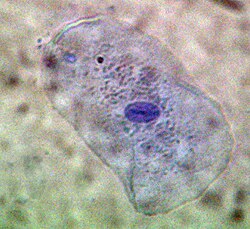
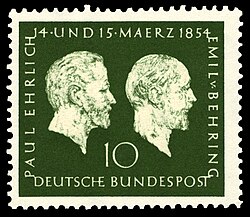
Working alongside Emil von Behring, Ehrlich helped develop an antiserum for diphtheria and tetanus. While Behring developed the principle of serum therapy, Ehrlich's expertise with laboratory animals was crucial in increasing the level of immunity in test subjects. This led to the commercialization of a diphtheria remedy by the company Hoechst in 1894.
Despite the scientific success, the partnership with Behring soured over profit-sharing disputes and professional recognition. Nevertheless, Ehrlich's work on the valency (the combining power) of serums provided a theoretical basis for immunology. He proposed the side-chain theory, suggesting that cells have specific receptors that bind to toxins or antibodies like a lock and key.
The "Magic Bullet" and the Cure for Syphilis
Ehrlich's most ambitious goal was the creation of a chemotherapia specifica—a drug that could target a specific pathogen without damaging the host. He used guinea pigs infected with trypanosomes to screen hundreds of chemical compounds, a precursor to modern pharmaceutical screening.
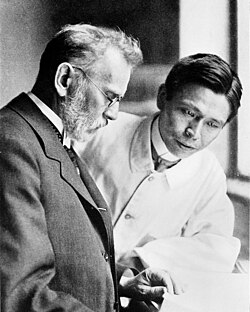
In 1909, with the help of his assistant Sahachiro Hata, Ehrlich discovered Compound 606 (Arsphenamine). Marketed as Salvarsan, this arsenic-based compound effectively treated syphilis, which was then one of Europe's most lethal diseases. It remained the primary treatment until the introduction of penicillin in the 1940s.
While Salvarsan was a triumph, the clinical trials were fraught with difficulty, and some patients died. This led to public accusations and a period of deep depression for Ehrlich, though he was eventually exonerated in court.
Summary of Paul Ehrlich's Contributions
| Field | Key Contribution | Impact |
|---|---|---|
| Hematology | Advanced tissue staining | Enabled diagnosis of blood diseases |
| Immunology | Side-chain/Receptor theory | Explained how antibodies bind to antigens |
| Chemotherapy | Salvarsan (Compound 606) | First targeted cure for syphilis |
| Cell Biology | Discovery of mast cells | Advanced understanding of allergic reactions |
Final Years and Legacy
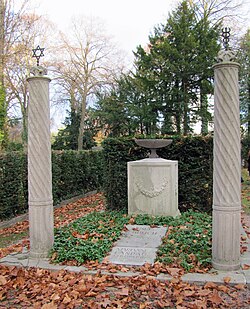
Ehrlich spent his later years as a professor of pharmacology at Frankfurt University and director of the Georg Speyer House. He passed away on August 20, 1915, following a heart attack in Bad Homburg.

His legacy persists not only in the Paul Ehrlich Institute but also in the very concept of targeted drug delivery. From the 200 Deutsche Mark banknote to a crater on the moon, his contributions to humanity continue to be honored.
Frequently Asked Questions
What was the "magic bullet" concept?
The "magic bullet" was Ehrlich's theory that a chemical compound could be designed to selectively target and destroy a specific pathogen (like a bacterium) without harming the healthy cells of the patient's body.
What is Salvarsan?
Salvarsan, also known as Compound 606, was an arsenic-based drug discovered by Paul Ehrlich and Sahachiro Hata in 1909. It was the first effective targeted treatment for syphilis.
Why is Paul Ehrlich called the "father of immunology"?
He is given this title because of his pioneering work on serum therapy and his development of the side-chain theory, which explained the chemical nature of how the immune system recognizes and binds to foreign substances.
What are mast cells and why are they important?
Mast cells are a type of white blood cell discovered by Ehrlich in 1876. They play a critical role in the body's inflammatory response and are central to the mechanism of allergic reactions.
How did Ehrlich contribute to the study of blood?
Ehrlich developed sophisticated staining techniques using dyes that allowed scientists to differentiate between various types of leukocytes (white blood cells), which was essential for diagnosing blood-related pathologies.