Breast Cancer: Symptoms, Diagnosis, and Treatment Options
Breast cancer is a complex disease characterized by the uncontrolled growth of cells in the breast tissue. While it is most commonly associated with women, it can affect individuals of all genders. In 2020, approximately 2.2 million people globally were affected by the disease, resulting in 685,000 deaths. Advances in surgical oncology and systemic therapies have significantly improved outcomes, though survival rates vary by region.
The pink ribbon has become the universal symbol of support and awareness for those battling this disease, representing a global movement toward early detection and research.

Key Facts
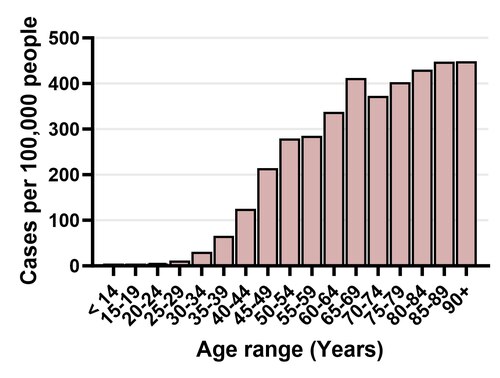
- Global Impact: 2.2 million cases and 685,000 deaths reported in 2020.
- Survival Rates: The five-year survival rate is approximately 92% in the US and 66% in India.
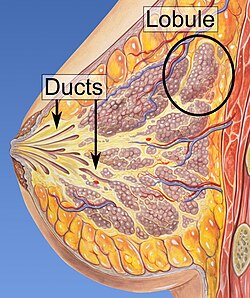
- Primary Locations: Most cancers originate in the ducts and lobules of the breast.
- Screening: Mammography is a primary tool for early detection.
- Treatment: A multidisciplinary approach including surgery, radiation, and chemotherapy is often used.
Understanding the Pathophysiology
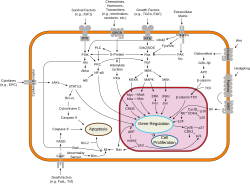
Breast cancer typically begins in the ducts (tubes that carry milk to the nipple) or the lobules (glands that produce milk). The disease occurs when mutations disrupt signal transduction pathways—the cellular communication systems that regulate growth and programmed cell death. When these pathways fail, cells divide uncontrollably, forming a tumor.
Signs, Symptoms, and Screening
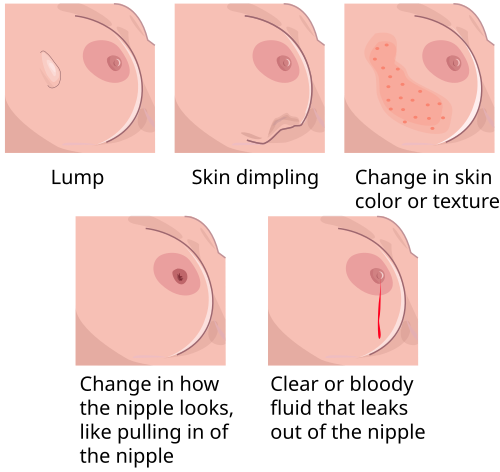
Early-stage breast cancer may not cause noticeable symptoms, which is why regular screening is critical. When symptoms do appear, they often include lumps, changes in breast shape, or skin abnormalities.
Diagnostic Methods
Medical professionals use several tools to identify and stage the disease:
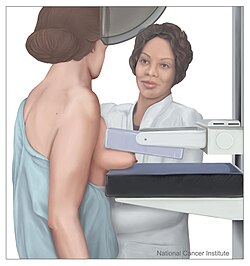
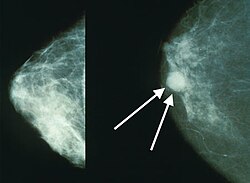
- Mammography: An X-ray imaging technique where the breast is compressed between two plates to detect abnormalities.
- Ultrasonography: The use of sound waves to visualize breast tissue.
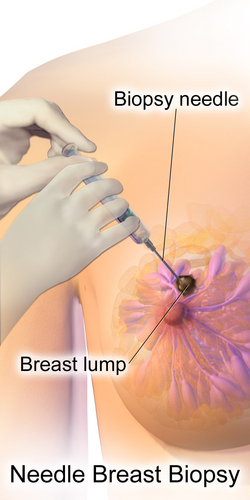
- Tissue Biopsy: The removal of a small sample of tissue via a needle for laboratory analysis to confirm a cancer diagnosis.
Risk Factors and Prevention
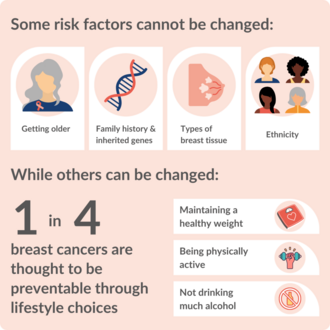
The development of breast cancer is influenced by a combination of genetic, hormonal, and lifestyle factors.
Hormonal and Genetic Factors
Genetics play a significant role, with certain inherited mutations increasing susceptibility. Hormonal influences, including the use of hormone replacement therapy (HRT) and oral contraceptives, are also studied as contributing factors.
Lifestyle and Medical Conditions
Certain modifiable risk factors can influence the likelihood of developing the disease:
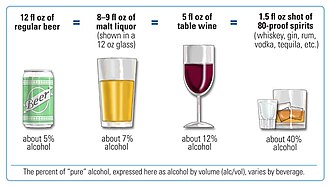
- Alcohol Consumption: All types of alcoholic beverages, including beer, wine, and liquor, are linked to increased risk.
- Weight and Diet: Obesity and high dietary fat intake are associated with higher risks.
- Physical Activity: Regular exercise is linked to a lower risk of breast cancer.
Prevention Strategies
Prevention may involve lifestyle changes, such as maintaining a healthy weight and limiting alcohol. For those at very high genetic risk, preventive surgery (such as a prophylactic mastectomy) or specific medications may be recommended.
Management and Treatment
Treatment plans are tailored based on the cancer stage (T1 through T4/Metastatic) and the biological characteristics of the tumor.
Local Tumor Treatment
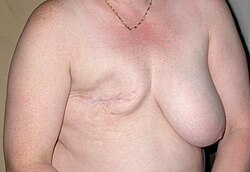
Surgery is often the first line of defense. Options range from lumpectomies to a mastectomy (the surgical removal of one or both breasts). Modern surgical options also include nipple-sparing reconstruction using implants to restore the breast's appearance.

Systemic and Supportive Therapies
To target remaining cancer cells or treat metastatic disease (cancer that has spread to other organs), doctors employ:
- Radiation Therapy: Using high-energy beams to kill cancer cells.
- Chemotherapy: Using powerful drugs to destroy rapidly dividing cells.
- Hormonal Therapy: Blocking hormones that fuel certain types of breast cancer.
- Targeted Therapy: Using drugs that attack specific proteins on cancer cells.
Summary of Breast Cancer Overview
| Category | Details |
|---|---|
| Global Incidence (2020) | 2.2 Million Cases |
| Primary Diagnostic Tools | Mammography, Ultrasonography, Biopsy |
| Common Treatments | Surgery, Radiation, Chemotherapy, Hormonal/Targeted Therapy |
| Key Modifiable Risks | Alcohol intake, Obesity, Physical inactivity |
| US 5-Year Survival Rate | 92% |
Historical and Social Context
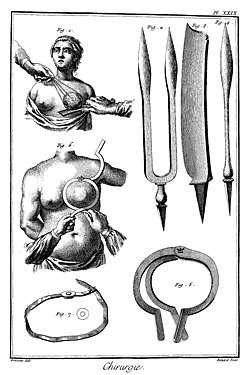
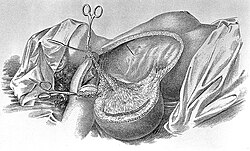
The approach to breast cancer has evolved drastically. In the 18th century, surgeries were rudimentary, later evolving into the radical mastectomy popularized by surgeons like Halsted. Historically, the disease was viewed primarily as a female affliction, though records show cases in men as early as 1871.
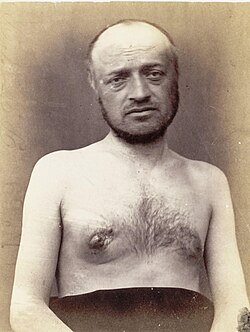
In modern society, the "pink ribbon culture" has raised immense funds and awareness, though some critics point to "pinkwashing"—the use of the cause for corporate profit—and highlight ongoing disparities in research and screening access for marginalized populations.
Frequently Asked Questions
Can men get breast cancer?
Yes, although it is much less common than in women, men have breast tissue and can develop breast cancer.
What is the difference between a lumpectomy and a mastectomy?
A lumpectomy removes only the tumor and a small margin of healthy tissue, while a mastectomy involves the removal of the entire breast tissue.
How does alcohol increase the risk of breast cancer?
All forms of alcohol, including beer, wine, and liquor, are recognized as risk factors that can contribute to the development of the disease.
What is metastatic breast cancer?
Metastatic breast cancer, also known as Stage 4, is cancer that has spread from the original site in the breast to other parts of the body, such as the bones, liver, or lungs.
Does a double mastectomy guarantee a cure?
While a double mastectomy removes the majority of breast tissue, research indicates it does not necessarily boost overall survival rates compared to other appropriate surgical interventions.