Pasadena, California: The Crown City of Roses
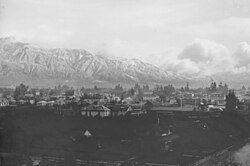
Nestled within the Los Angeles Metropolitan Area, Pasadena is a city defined by its rich history, academic prestige, and world-renowned traditions. Known by nicknames such as the "City of Roses," "Crown City," and "Rose Town," Pasadena blends a sophisticated urban environment with serene natural landscapes. Its name, derived from the Ojibwe language meaning "valley," was chosen by American settlers to reflect the city's geography.
From its origins as a resort town to its current status as a hub of science and culture, Pasadena offers a unique intersection of luxury and intellect. Whether it is the roar of the crowd at the Rose Bowl or the quiet halls of the California Institute of Technology, the city remains a cornerstone of Southern California's identity.
Key Facts
- Incorporation: June 19, 1886.
- Population: 138,699 (2020 Census).
- Total Area: 23.10 square miles.
- Elevation: 863 feet.
- Major Institutions: California Institute of Technology (Caltech) and Pasadena City College.
- Famous Events: Tournament of Roses Parade and the Rose Bowl Game.
Geography and Climate
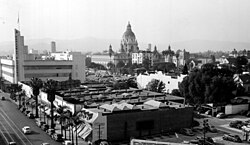
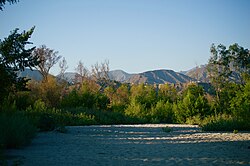
Pasadena is located in Los Angeles County, characterized by a Mediterranean climate with mild winters and warm-to-hot summers. The city's elevation of 863 feet contributes to its pleasant atmosphere, though it experiences significant temperature variations throughout the year.
The city's weather is typically dry, with the vast majority of its annual precipitation—averaging 20.08 inches—falling between November and March. July and August are the warmest months, with mean daily maximums often exceeding 90°F.
History and Evolution
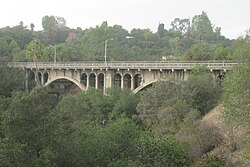
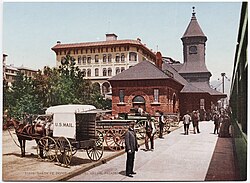
Pasadena's history is a tapestry of diverse eras, beginning with its indigenous roots and moving through the Spanish and Mexican periods. By the late 19th century, it evolved into a popular resort town, attracting visitors with its scenic beauty and temperate climate.
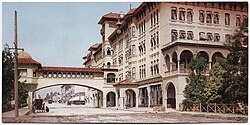
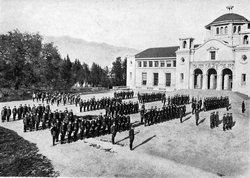
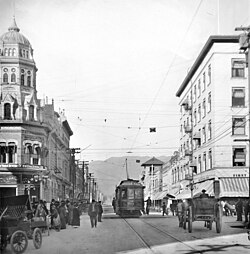
As the city grew, it transitioned from a seasonal retreat into a permanent center of commerce and education. The early 20th century saw the development of its iconic downtown area and the establishment of institutions that would bring global recognition to the city.
Education and Economy
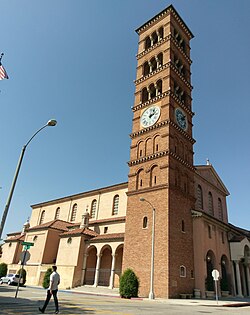
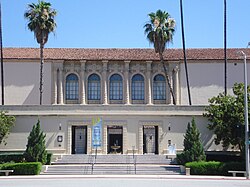
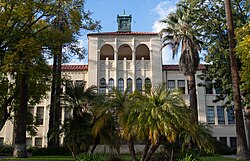
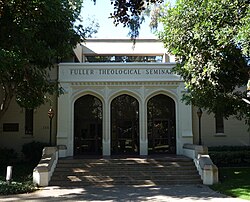
Pasadena is a global leader in science and higher education. The California Institute of Technology (Caltech) is regarded as one of the world's most prestigious universities, driving innovation and research. Other notable educational institutions include Pasadena City College, the EF Academy of Pasadena, and the Fuller Theological Seminary.
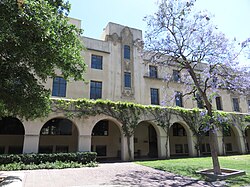
The local economy is bolstered by high-profile employers in the aerospace, healthcare, and education sectors. The Jet Propulsion Laboratory (JPL) stands as the city's largest employer, followed closely by Kaiser Permanente and Caltech.
| Employer | Number of Employees |
|---|---|
| Jet Propulsion Laboratory | 5,029 |
| Kaiser Permanente | 4,760 |
| California Institute of Technology | 3,900 |
| Huntington Memorial Hospital | 3,200 |
| Pasadena City College | 2,619 |
Arts, Culture, and Landmarks
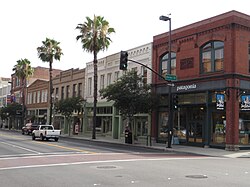
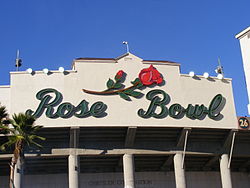
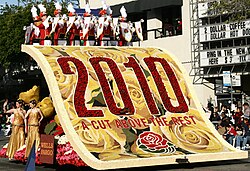
Pasadena is synonymous with the Tournament of Roses Parade and the Rose Bowl Game, events that draw millions of viewers worldwide. The Rose Bowl Stadium remains one of the most iconic sports venues in the United States.
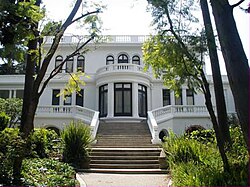
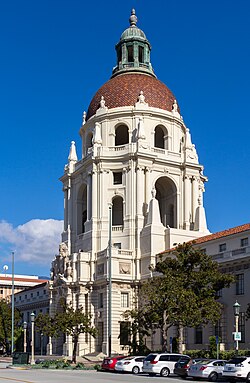
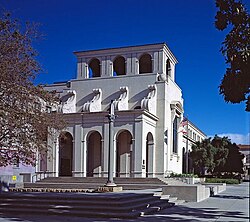
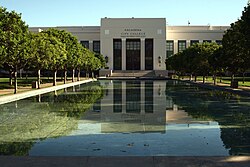
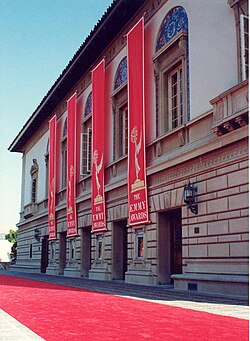
The city is also a treasure trove of architecture and performing arts. The Gamble House is celebrated as an American Craftsman masterpiece, while the Pasadena Playhouse and the Pasadena Civic Auditorium (a longtime venue for the Emmy Awards) serve as cultural anchors.
![The Gamble House, an American Craftsman Masterpiece[111][112][113]](/images/e1/f2/e1f26dae3046d0b3e70df3d013e8a9bf41c93ce95a8022b189318848e8bed59a.jpg)
Notable Cultural Sites
- Pasadena Museum of History: A center for local and regional heritage.
- Ambassador Auditorium: A renowned venue for music and performance.
- Pasadena Conservatory of Music: A hub for musical education.
- The Langham Huntington: A landmark of luxury hospitality.
Infrastructure and Government
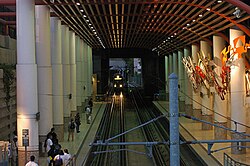
Pasadena operates under a city council/manager form of government, currently led by Mayor Victor Gordo. The city's infrastructure is well-integrated into the Los Angeles region, featuring a mix of public transit options including buses and rail services like the A Line Memorial Park Station.
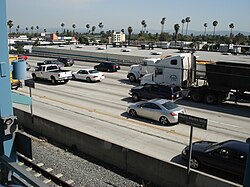
Transportation is further facilitated by the Foothill Freeway (I-210), which connects the city to the broader Southern California network. The city also maintains its own Department of Water and Power to serve its residents.
Frequently Asked Questions
What is the origin of the name "Pasadena"?
The name was chosen by American settlers and is derived from the Ojibwe language, meaning "valley."
Which is the largest employer in Pasadena?
According to the 2024 Annual Comprehensive Financial Report, the Jet Propulsion Laboratory is the largest employer with 5,029 employees.
What are the most famous annual events in the city?
Pasadena is most famous for hosting the Tournament of Roses Parade and the Rose Bowl Game.
What is the significance of the Gamble House?
The Gamble House is recognized as a masterpiece of American Craftsman architecture.
What is the current population of Pasadena?
As of the 2020 Census, the total population was 138,699.