Richmond, Indiana: The City of Roses
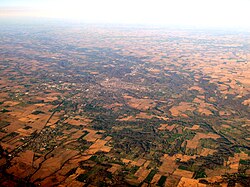
Known affectionately as the City of Roses, Richmond is a historic city located in Wayne County, Indiana. Situated on the flatlands of eastern Indiana, Richmond blends a rich pioneer heritage with a resilient community spirit. From its origins as a strategic stop on the National Road to its modern identity as a hub of culture and education, the city offers a unique glimpse into the American Midwest.
Key Facts
- Nickname: City of Roses
- County: Wayne County, Indiana
- Population: 35,720 (2020 Census)
- Total Area: 24.15 square miles
- Elevation: 978 feet
- Major Route: U.S. Route 40 (formerly the National Road)
History and Heritage
Richmond's story began in 1818 when the settlements of Smithville and Coxborough amalgamated to incorporate as the town of Richmond. The name is believed to be derived from the Old French words riche (rich) and mont (hill), referencing the area's fertile soil. Robert Morrison served as the town's first postmaster in 1818, and by 1840, Richmond officially incorporated as a city, electing John Sailor as its first mayor.
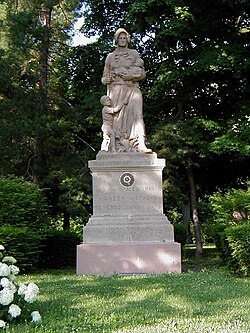
The city's growth was significantly bolstered by its connection to the National Road, the first highway built by the U.S. federal government. This route served as a primary artery for 19th-century pioneers moving west. Today, this historic path is known as U.S. Route 40. In recognition of the pioneer women who traveled these roads, a Madonna of the Trail monument—one of only 12 such identical statues in the U.S.—was dedicated in Glen Miller Park on October 28, 1928.
The 1968 Downtown Explosion
A tragic chapter in the city's history occurred on April 6, 1968. A natural gas leak triggered a massive explosion that devastated several downtown blocks. The disaster resulted in 41 deaths and more than 150 injuries. This event is extensively documented in the book Death in a Sunny Street: The Civil Defense Story of the Richmond, Indiana Disaster, April 6, 1968.
City Geography and Climate
Richmond covers a total area of approximately 24.15 square miles, with the vast majority (about 99%) being land. The city experiences a temperate climate with distinct seasonal shifts. Summers are typically warm and humid, while winters can be quite cold, with record lows reaching -27°F.
| Category | Detail |
|---|---|
| Coordinates | 39°49′54″N 84°52′26″W |
| Time Zone | EST (UTC-5) / EDT (UTC-4) |
| ZIP Codes | 47374-47375 |
| Area Code | 765 |
| Government | Mayor Ron Oler (R) |
Demographics and Population
According to the 2020 Census, Richmond has a population of 35,720 people with a median age of 39.4 years. The city's population peaked in the mid-20th century, reaching over 44,000 in 1960, before seeing a gradual decline and stabilization in recent decades.
The racial composition of the city as of 2020 is 79.4% White, 8.0% Black or African American, 7.2% identifying as two or more races, and 5.6% Hispanic or Latino. The city maintains a diverse range of household structures, with 32.6% being married-couple households.
Culture, Education, and Landmarks
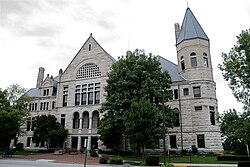
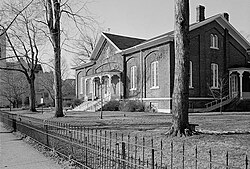
Richmond is rich in architectural and cultural landmarks. The Richmond Downtown Historic District and the Old Richmond Historic District preserve the city's aesthetic legacy. Notable sites include the Wayne County Courthouse and the Hicksite Friends Meeting House, which now serves as the Wayne County Historical Museum.
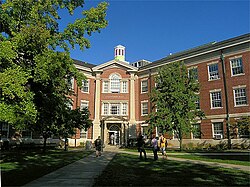
Education is a cornerstone of the community, highlighted by Earlham College, founded in 1847. The campus is home to Carpenter Hall and the Joseph Moore Museum.
Points of Interest
- Arts & Nature: Richmond Art Museum, Hayes Arboretum, and the Cope Environmental Center.
- History: Indiana Football Hall of Fame, Gaar Mansion, and the Old National Road Welcome Center.
- Recreation: Cardinal Greenway hiking trail and Whitewater Gorge Park.
- Music: Gennett Records Walk of Fame, celebrating the city's recording history.
Transportation and Infrastructure
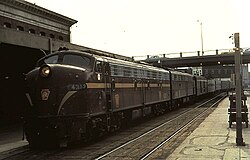
Richmond is easily accessible via Interstate 70. Historically, the city was a vital rail hub. The Pennsylvania Railroad station, established in 1902, served as a major center for Penn Central trains. The final passenger service at the station was Amtrak's National Limited, which ran between Kansas City and New York City until 1979.
Notable Residents
The city has been home to a diverse array of influential figures, including:
- Science & Aviation: The Wright brothers and artificial heart valve inventor Dr. Charles A. Hufnagel.
- Arts & Music: Pulitzer Prize winner Ned Rorem, opera singer Sondra Radvanovsky, and rock vocalist Baby Huey.
- Civic Leaders: Civil War governor Oliver P. Morton and Underground Railroad organizer Levi Coffin.
- Sports: NBA player Desmond Bane and NFL coach Weeb Ewbank.
Frequently Asked Questions
Why is Richmond called the City of Roses?
Richmond is known as the City of Roses due to its long-standing association with the flower, which is celebrated through local traditions and festivals.
What is the significance of the Madonna of the Trail statue?
The statue is one of 12 identical monuments across the United States dedicated to the spirit and courage of the pioneer women who helped settle the American West.
What happened during the 1968 downtown explosion?
A natural gas leak caused a massive explosion on April 6, 1968, which destroyed several blocks of the downtown area, killing 41 people and injuring over 150.
Which major historical road passes through Richmond?
The National Road, the first federal highway in the U.S., passes through the city and is currently known as U.S. Route 40.
What is the historical importance of the Gennett Records Walk of Fame?
It commemorates the city's role in early American music recording, as Richmond's studios were among the first to record many famous musicians.