Particulate Matter: The Invisible Threat to Human Health and Climate
Particulate matter (PM), often referred to as particulates, consists of microscopic solid or liquid particles suspended in the air. When these particles combine with the air, they form what scientists call an aerosol. While some particulates occur through natural processes, many are the result of human activities. Regardless of their origin, these tiny particles have profound implications for human health, global climate patterns, and precipitation.
Understanding Particle Sizes and Categories
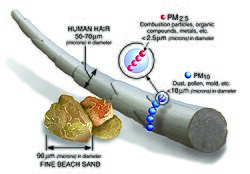
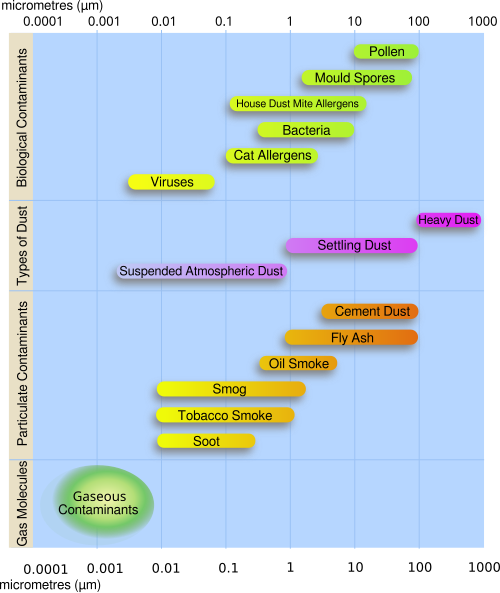
Not all air pollution is the same. Particulates are categorized primarily by their diameter, which determines how deeply they can penetrate the human body. The most common classifications include:
- PM10: Inhalable coarse particles with a diameter of 10 micrometers (μm) or less.
- PM2.5: Fine particles with a diameter of 2.5 μm or less.
- Ultrafine particles (PM0.1): Extremely small particles with a diameter of 100 nanometers (nm) or less.
- Soot: Fine or ultrafine particles composed primarily of carbon.
How Size Affects the Body
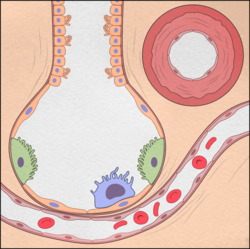
The physical size of a particle dictates its deposition region—the specific area of the respiratory system where it settles. Larger particles (>10 μm) are typically trapped in the nose and throat, while particles between 2.5 and 10 μm reach the bronchi. The most dangerous are those smaller than 2.5 μm, which can travel deep into the bronchioles and alveoli (the tiny air sacs in the lungs). Ultrafine particles (<0.1 μm) are small enough to pass directly into the bloodstream.
![Penetration of airborne particulate matter into the lungs depends on size[3]](/images/6d/a8/6da844c281f8be927b3a3931d2d7d34b8451870ba1579fa3ae51adac61c02cf0.jpg)
Sources of Particulate Matter
![Though the rate of exposure to ground-level ozone ("smog") and small-particulate matter ("soot") has been declining, in 2026, nearly half of people in the US under age 18 live in an area receiving a failing grade for at least one measure of air pollution.[242]](/images/96/7c/967cdab5a4b037b0ccfe062fb761fbe0b0e570ac39a48d4fe0bc29d8c59fc728.webp)
Particulates enter our atmosphere through a diverse range of natural and anthropogenic (human-caused) sources. Understanding these sources is critical for developing effective regulation and control technologies.
Human-Driven Sources
Human activities contribute significantly to urban and industrial air pollution. Key sources include:
- Combustion: Domestic heating, waste incineration, and the burning of fossil fuels.
- Industrial Activity: Construction sites, heavy industry, and metal workshops.
- Transportation and Lifestyle: Vehicle emissions and smoking.
- Disasters: Human-caused wildfires, wars, and large-scale urban destruction.

Natural Sources
Nature also provides a steady supply of particulates through processes such as:
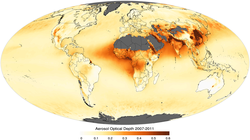
- Mineral Dust: Wind-blown soil and sand from deserts.
- Sea Salt: Particles ejected from ocean spray.
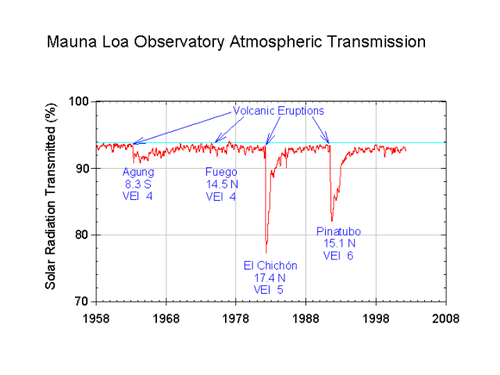
- Volcanic Activity: Ash and sulfates released during eruptions.
- Wildfires: Natural forest fires that release massive amounts of smoke.
![NASA's Earth Surface Mineral Dust Source Investigation (EMIT) map of global mineral dust sources, 2022[112]](/images/43/09/43091bd703cc7c24af3269b0a5af811ae0772e8467e672cc040f96d78f882802.jpg)
![Dendrochronology studies history through the rings of trees and the chemistry of wood.[302]](/images/d4/53/d45371dd43e3aab85fc487c7ed430633f7d318257c0725018a71003b8eb565a8.webp)
Health Implications and Risks
Airborne particulate matter is classified as an IARC Group 1 carcinogen. It is widely considered the most dangerous form of air pollution because of its ability to bypass the body's natural defenses and enter the bloodstream, potentially reaching organs such as the brain.
Exposure is linked to a variety of severe health conditions, including:
- Cardiovascular disease and stroke.
- Respiratory diseases and chronic obstructive pulmonary disease (COPD).
- Various types of cancer.
- Preterm birth and other reproductive issues.
Scientific consensus suggests there is no safe level of exposure to these particulates.

Global Air Quality Standards
![Deaths caused by accidents and air pollution from fossil fuel use in power plants exceed those caused by production of renewable energy.[367]](/images/f7/5f/f75fffb5715f0f4ecb9537622eb6a931fa36b15fedab795be0432a13989a6034.webp)
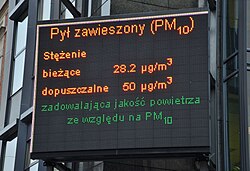
Because of these risks, governments and international bodies like the World Health Organization (WHO) set limits on allowable concentrations of PM. However, standards vary significantly by region.
| Country/Region | PM2.5 (Daily Avg μg/m³) | PM10 (Daily Avg μg/m³) | Exceedance Limits (Annual) |
|---|---|---|---|
| World Health Organization | 5 | 15 | 45 days/year |
| Australia | 8 | 25 | 50 days/year |
| European Union | 25 | 50 | PM2.5: None; PM10: 35 days |
| United States | 9 | 35 | None |
| United Kingdom | 20 | 40 | 50 days/year |
Environmental and Climate Impacts
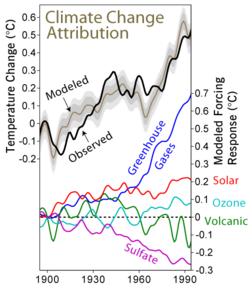
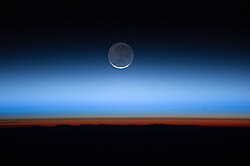
Beyond human health, particulates play a complex role in the Earth's climate system. Aerosols can influence the planet's temperature through radiative forcing—the difference between incoming solar radiation and outgoing infrared radiation.
Some aerosols, like black carbon, absorb sunlight and contribute to warming. Others, such as sulfates, can reflect sunlight and have a cooling effect. This interaction affects cloud formation, precipitation patterns, and the overall energy balance of the atmosphere.
![Aerosols have a cooling effect that is small compared to the radiative forcing (warming effect) of greenhouse gases.[314]](/images/9b/55/9b555a00f9286084a4952a98c112cf96c5c0542fbc4435a0b5c9f2f37a08358b.webp)
Key Facts
![PM2.5 air quality trends in the United States, 2000-2017. Blue area shows the range of the middle 80% of monitoring sites.[422]](/images/14/8b/148b1b2ff5d6186336a1f1a6b787085f852f1d46d3768e10972b430958070cc5.png)
- Carcinogenic Risk: Airborne particulate matter is a Group 1 carcinogen.
- Deep Penetration: PM2.5 and ultrafine particles can enter the bloodstream and reach the brain.
- No Safe Level: There is no known level of particulate exposure that is entirely without risk.
- Climate Dualism: Some particulates cause warming (black carbon), while others cause cooling (sulfates).
- Global Variation: Air quality standards vary widely, from the WHO's strict 5 μg/m³ for PM2.5 to higher regional limits.
Frequently Asked Questions
![Difference between levels of PM2.5 in the air in 2019 and 2022 among 70 capital cities[435]](/images/d3/16/d316a4c724186f213c4afd0cf81186f5f6b61fbe695d2943ba8cb1bb56db258b.png)
![Map of annual mean PM2.5 concentrations in 2023, European Environment Agency[452]](/images/44/0c/440cbfcb13f621fc3f13b5718cc8a2f4ae6f0f4bd2ac556cb901786d7b56ec63.png)
What is the difference between PM10 and PM2.5?
The difference lies in the particle diameter. PM10 refers to particles 10 micrometers or smaller, while PM2.5 refers to much finer particles that are 2.5 micrometers or smaller. PM2.5 is generally considered more dangerous because it can penetrate deeper into the lungs.
How does air pollution affect the climate?
Particulates affect the climate by interacting with solar radiation. Some particles absorb heat, contributing to warming, while others reflect sunlight away from Earth, causing a cooling effect. They also influence the formation and properties of clouds.
Can particulate matter travel long distances?
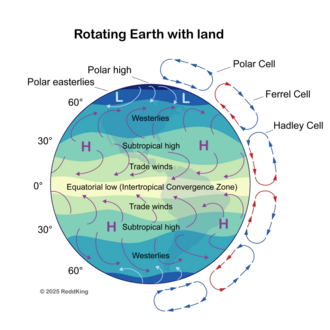
Yes. Atmospheric circulation and wind belts can transport particulates across continents and oceans, meaning pollution from one region can impact the air quality of another far away.
What are the main sources of soot?
Soot is primarily composed of carbon and is produced through incomplete combustion. Common sources include vehicle exhaust, domestic wood burning, and wildfires.
Why is PM2.5 considered more dangerous than PM10?
Because PM2.5 particles are smaller, they can bypass the filtration systems of the nose and throat, traveling deep into the lungs' smallest air sacs (alveoli) and even entering the bloodstream to affect other organs.