Asthma: Symptoms, Causes, and Modern Management Strategies
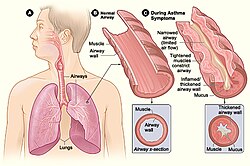
Asthma is a long-term respiratory condition that affects the airways in the lungs. While it has been recognized since ancient times—with the term itself deriving from the Greek word âsthma, meaning 'panting'—it remains a significant global health challenge today. During an asthma attack, the airways become swollen and filled with mucus, making it difficult for air to move in and out of the lungs.

Key Facts
- Global Impact: Approximately 363 million people were affected by asthma in 2023.
- Mortality: Around 442,000 deaths were attributed to asthma in 2023, with most occurring in low- and lower-middle-income countries.
- Common Onset: The condition often begins during childhood.
- Primary Symptoms: Recurring wheezing, coughing, chest tightness, and shortness of breath.
- Diagnosis: Typically based on clinical symptoms and spirometry (a test that measures how much air you can breathe in and out and how fast you can do it).
Understanding the Mechanism and Symptoms
Asthma is characterized by inflammation and constriction of the airways. When a person experiences an exacerbation (an asthma attack), the physical response involves swelling and excess mucus production. This can lead to several recognizable symptoms:
- Wheezing (a whistling sound when breathing)
- Persistent coughing
- Tightness in the chest
- Shortness of breath
Associated Conditions
Asthma does not always exist in isolation. It is often associated with other health issues, including:
- Gastroesophageal reflux disease (GERD)
- Sinusitis
- Obstructive sleep apnea
Causes and Risk Factors
The development of asthma is driven by a complex interplay of genetic and environmental factors. While the exact cause for every individual varies, certain elements are known to increase the risk of developing the condition or triggering attacks.
Environmental Triggers and Risks
Living in urban environments can increase exposure to various triggers. Key risk factors include:
- Air pollution
- Allergens (such as pollen or dust mites)

Diagnosis and Treatment Options
Medical professionals typically diagnose asthma by evaluating a patient's symptoms and utilizing spirometry to assess lung function. Once diagnosed, management focuses on both preventing attacks and treating acute symptoms.
Management Strategies
Effective asthma management generally involves two main approaches: avoiding known triggers and utilizing medication.
- Trigger Avoidance: Identifying and minimizing exposure to allergens and pollutants.
- Controller Medications: Such as inhaled corticosteroids to reduce long-term inflammation.
- Reliever Medications: Such as long-acting beta2 agonists or rapid-acting inhalers to manage immediate symptoms.
Delivery Methods
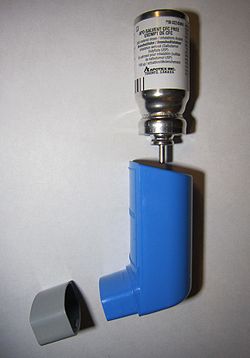
Medication is commonly delivered through various devices designed to ensure the medicine reaches deep into the lungs. These include:
- Dry powder inhalers (e.g., Turbuhaler, Accuhaler, and Ellipta devices)
- Mist inhalers
- Metered-dose inhalers
Historical Context of Asthma Treatment
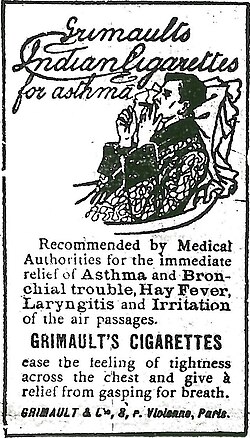
The history of asthma treatment shows a massive evolution from ancient remedies to modern pharmacology. The Egyptian Ebers Papyrus (c. 1550 BC) contains some of the earliest recorded details of asthma treatments.
In the 20th century, significant breakthroughs occurred. In the 1940s, the first pure β-agonist, isoprenaline, was synthesized, providing a more selective bronchodilator than adrenaline. By 1952, the efficacy of oral corticosteroids (OCS) was published, and by 1958, researchers established the link between OCS treatment and the reduction of eosinophils (a type of white blood cell) in sputum.
Summary of Asthma Overview
| Category | Details |
|---|---|
| Specialty | Pulmonology |
| Usual Onset | Childhood |
| Duration | Long term |
| Primary Causes | Genetic and environmental factors |
| Common Triggers | Air pollution, allergens, urban environments |
Frequently Asked Questions
What are the most common symptoms of an asthma attack?
The most common symptoms include recurring episodes of wheezing, coughing, chest tightness, and shortness of breath.
How is asthma diagnosed?
Diagnosis is primarily based on a patient's reported symptoms and confirmed through diagnostic methods such as spirometry.
Can asthma be cured?
Asthma is described as a long-term condition. While it can be managed effectively through medication and trigger avoidance, it is generally a chronic condition.
What are the main ways to manage asthma?
Management involves avoiding environmental triggers and using medications, which may include inhaled corticosteroids and long-acting beta2 agonists.
What factors increase the risk of asthma?
Risk factors include genetic predisposition, air pollution, exposure to allergens, and living in urban environments.