Paleocene Epoch: Life and Earth in the Wake of Mass Extinction
The Paleocene was a transformative epoch that marked the beginning of the Cenozoic Era. Spanning from approximately 66 to 56 million years ago (Ma), it served as a critical period of recovery and biological reorganization following the devastating Cretaceous–Paleogene (K–Pg) mass extinction event. During this time, the Earth transitioned from the age of dinosaurs into a world where new lineages of mammals, birds, and plants began to dominate the landscape.
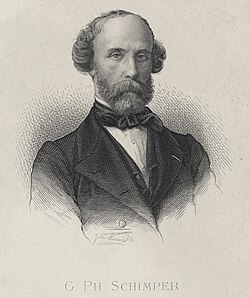
Named by Wilhelm Philipp Schimper in 1874, the Paleocene represents a foundational chapter in modern Earth history. It was a time of shifting continents, changing climates, and the rapid evolutionary radiation of species that would eventually shape the modern biosphere.
Geological Foundations and Boundaries
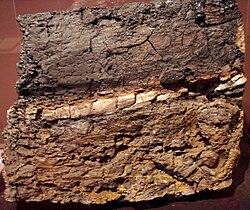
The Paleocene is defined by distinct geological markers that separate it from the preceding Cretaceous period and the succeeding Eocene epoch. The lower boundary is marked by an iridium-enriched layer, a chemical signature resulting from the massive meteorite impact that triggered the K–Pg extinction.
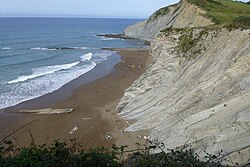
Stratigraphically, the epoch is divided into three distinct ages:
- Danian: The earliest stage of the Paleocene.
- Selandian: The middle stage.
- Thanetian: The final stage before the transition to the Eocene.
The upper boundary of the Paleocene is defined by a significant geochemical shift known as a strong negative anomaly in δC values (carbon isotope values) during the Paleocene–Eocene Thermal Maximum (PETM). This event was a period of rapid global warming that significantly impacted both terrestrial and marine ecosystems.
Paleogeography and Tectonics
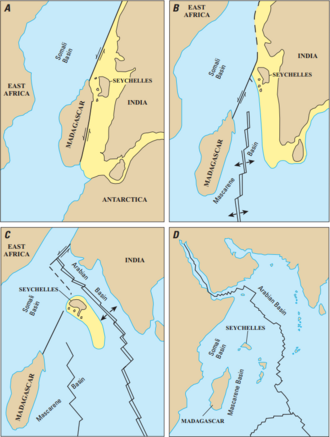
During the Paleocene, the map of the world looked vastly different than it does today. The supercontinent Gondwana continued its fragmentation, and the movement of tectonic plates reshaped ocean currents and landmasses.
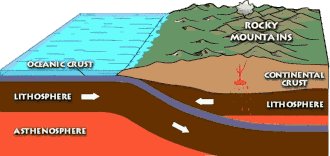
In North America, the Laramide orogeny—a major mountain-building event—was actively occurring. This process was driven by the subduction of oceanic crust beneath the North American Plate, creating the complex geological structures seen in the region today.
The era also saw significant volcanic and impact activity. For instance, evidence suggests that the crater located beneath the Greenlandic Hiawatha Glacier dates back to the Paleocene, approximately 58 million years ago.
![The crater underneath the Greenlandic Hiawatha Glacier dates to the Paleocene, 58 mya.[40]](/images/77/b6/77b6c9e6207b98809bd54eef1866288aa148a1a3bc66fb7a215382638ba770bb.gif)
Climate and Environment
The Paleocene climate was characterized by significant fluctuations. While the early part of the epoch saw a recovery from the post-impact world, the period culminated in the PETM, an interval of extreme warmth. This warming had profound effects on ocean ventilation, oxygenation, and biological productivity.
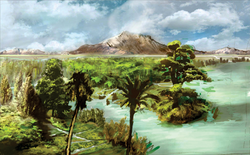
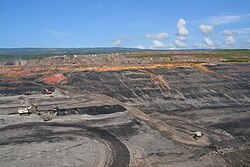
On land, the environment varied from lush tropical rainforests to polar forests. In regions like present-day Colombia, the Cerrejón Formation provides evidence of early Neotropical rainforests. These environments were rich in organic matter, often resulting in significant coal deposits.
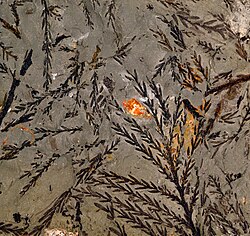
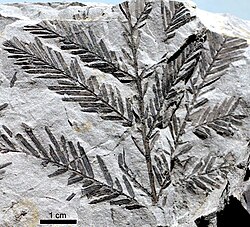
The flora of the Paleocene was diverse, featuring a mix of surviving Cretaceous lineages and emerging angiosperms (flowering plants). Notable plant fossils include species of Ginkgo, Glyptostrobus, and Metasequoia, which thrived in the varied climates of the era.

The Rise of New Life: Fauna of the Paleocene
With the disappearance of non-avian dinosaurs, ecological niches became available, leading to an evolutionary radiation of various groups.
Mammalian Evolution
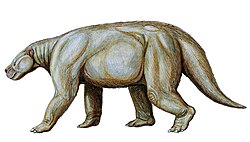
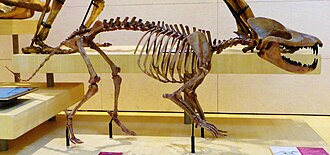
Mammals underwent rapid diversification. Early Paleocene mammals included large herbivores like the pantodont Barylambda, which could weigh up to 650 kg. Other notable groups included the mesonychids, such as Sinonyx, and the early ancestors of modern placental mammals.
Birds, Reptiles, and Marine Life
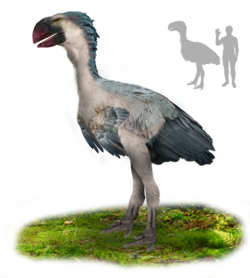
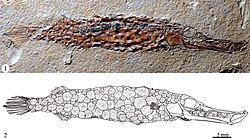
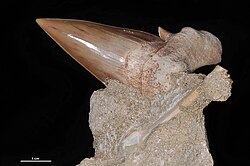
Birds also saw significant morphological diversification. Large, flightless birds like Gastornis were prominent features of the landscape. In the oceans, new lineages of fish and sharks, such as the early trumpetfish and the shark Otodus obliquus, began to establish themselves.

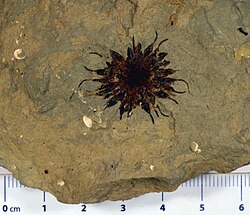
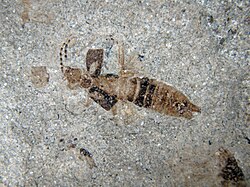
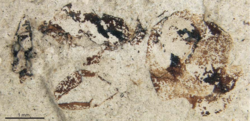
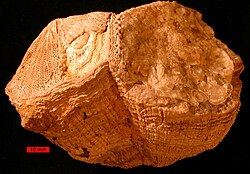
Invertebrates and insects also played vital roles in the ecosystem. From the dominant reef-building organisms of the previous era to the diverse insect populations found in formations like the Danish Fur Formation, the Paleocene was a period of intense biological activity.
Key Facts
- Time Span: Approximately 66 to 56 million years ago.
- Etymology: The term was coined by Wilhelm Philipp Schimper in 1874.
- Boundary Marker: The lower boundary is defined by an iridium-rich layer from a meteorite impact.
- Major Climatic Event: The Paleocene–Eocene Thermal Maximum (PETM) caused rapid global warming.
- Biological Trend: A period of rapid evolutionary radiation for mammals and birds following the K–Pg extinction.
Summary of Paleocene Chronology
| Age | Period/Epoch | Key Characteristics |
|---|---|---|
| Thanetian | Late Paleocene | Final stage before the Eocene; includes the PETM event. |
| Selandian | Middle Paleocene | Intermediate stage of recovery and diversification. |
| Danian | Early Paleocene | Immediate aftermath of the K–Pg mass extinction. |
Frequently Asked Questions
What event marks the beginning of the Paleocene?
The Paleocene begins with the K–Pg (Cretaceous–Paleogene) mass extinction event, which is geologically identified by an iridium-enriched layer caused by a major meteorite impact.
How did the climate change during this epoch?
The climate underwent significant changes, most notably during the Paleocene–Eocene Thermal Maximum (PETM), which was a period of intense global warming marked by a strong negative carbon isotope anomaly.
What kind of animals lived during the Paleocene?
The Paleocene saw the rise of many mammal lineages, including large herbivores like Barylambda, as well as various birds, reptiles, and diverse marine life like sharks and trumpetfish.
What was the role of plants in the Paleocene ecosystem?
Plants were essential in rebuilding the terrestrial ecosystems. The era featured diverse flora, including early rainforests and various angiosperms, which provided the foundation for the recovering food webs.
What is the GSSP?
GSSP stands for Global Boundary Stratotype Section and Point. It is a internationally agreed-upon reference point on a stratigraphic section which defines the lower boundary of a stage or epoch.