Paleogene Period: A World of Extreme Climate Shifts and Tectonic Transformation
Spanning from 66.0 to 23.03 million years ago, the Paleogene Period represents a pivotal chapter in Earth's history. Emerging from the shadow of the Cretaceous–Paleogene (K-Pg) mass extinction, this era witnessed the rise of new biological lineages, dramatic shifts in global temperatures, and the massive tectonic movements that shaped our modern continents.
During this time, the Earth transitioned from a world dominated by non-avian dinosaurs to a more modern ecological landscape. The period is characterized by intense greenhouse conditions, the formation of major mountain ranges, and significant fluctuations in atmospheric composition.
Key Facts
- Time Span: Approximately 66.0 to 23.03 million years ago.
- Major Epochs: Paleocene, Eocene, and Oligocene.
- Climate Extremes: Includes the Paleocene-Eocene Thermal Maximum (PETM), one of the warmest periods in the Phanerozoic eon.
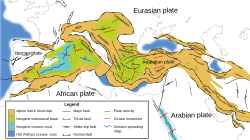
- Tectonic Activity: Significant movement of the Indian plate toward Eurasia and the development of the Alpine-Himalayan orogenic belt.
- Atmospheric Conditions: Higher CO2 levels (c. 500 ppm) and oxygen levels (c. 26 vol %) compared to pre-industrial modern standards.
Chronological Breakdown of the Paleogene
The Paleogene is divided into three distinct epochs, each marked by unique geological and biological milestones.
The Paleocene (66.0 – 56.0 Ma)
The Paleocene was the first epoch of the period, following the K-Pg extinction event. This boundary is famously marked by an iridium anomaly—a thin layer of clay containing high concentrations of iridium, a metal often associated with extraterrestrial impacts. This layer, found in sites like El Kef, Tunisia, serves as a global marker for the asteroid impact at Chicxulub that ended the Cretaceous period.
The Paleocene is subdivided into three stages: the Danian, Selandian, and Thanetian. During this time, life began to recover and diversify in the wake of the mass extinction.
The Eocene (56.0 – 33.9 Ma)
The Eocene is perhaps most famous for the Paleocene-Eocene Thermal Maximum (PETM). This was a period of rapid global warming triggered by a massive release of carbon, likely from seafloor methane clathrates. During this time, global mean surface temperatures reached staggering heights, with some studies suggesting annual land temperatures averaged between 23–29 °C.
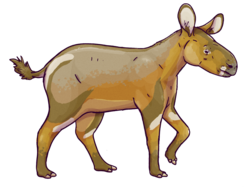
The Eocene was divided into four stages: Ypresian, Lutetian, Bartonian, and Priabonian. While the early Eocene was exceptionally warm, the period eventually saw a cooling trend known as the Middle-Late Eocene Cooling, partly influenced by the Azolla event, where aquatic ferns sequestered vast amounts of CO2 from the atmosphere.
The Oligocene (33.9 – 23.03 Ma)
The Oligocene marked a transition toward cooler global climates. This epoch is divided into the Rupelian and Chattian stages. A key marker for the start of the Oligocene is the extinction of hantkeninid planktonic foraminifera (tiny marine organisms), signaling a shift in ocean conditions and widespread changes in global flora and fauna.
Tectonic Evolution and Palaeogeography
The Paleogene was a time of intense geological restructuring. One of the most significant events was the northward drift of the Indian continent. As India moved toward Eurasia, it initiated complex collisions that would eventually form the Himalayan mountain range.
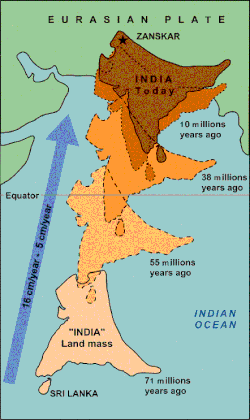
Geologists debate the exact nature of the "Greater India" collision. Some models suggest a single massive plate collided with Eurasia around 58 Ma, while others propose a more complex series of subduction zones and microcontinents. These movements contributed to the formation of the Alpine-Himalayan orogenic belt, a massive mountain-building zone stretching across southern Europe, North Africa, and the Middle East.
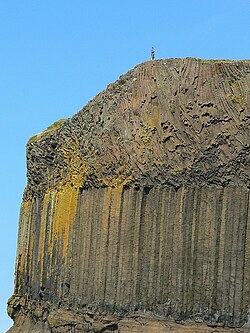
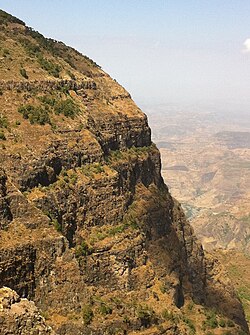
Volcanic activity also played a major role in shaping the landscape. Large-scale volcanic events, such as the flood basalts seen in the Ethiopian Plateau, occurred during this era, contributing to the geological diversity of the continents.
Summary of Paleogene Epochs
| Epoch | Time Span (Ma) | Key Characteristics | Major Stages |
|---|---|---|---|
| Paleocene | 66.0 – 56.0 | Post-extinction recovery; iridium-rich boundary. | Danian, Selandian, Thanetian |
| Eocene | 56.0 – 33.9 | Extreme warming (PETM); Azolla CO2 sequestration. | Ypresian, Lutetian, Bartonian, Priabonian |
| Oligocene | 33.9 – 23.03 | Global cooling; transition to modern climate patterns. | Rupelian, Chattian |
Frequently Asked Questions
What caused the K-Pg extinction at the start of the Paleogene?
The boundary is marked by an iridium anomaly and shocked quartz, which are strong indicators of a major extraterrestrial impact, specifically the asteroid that created the Chicxulub crater in Mexico.
What was the PETM?
The Paleocene-Eocene Thermal Maximum (PETM) was a significant period of rapid global warming caused by a massive release of carbon into the atmosphere, leading to some of the highest temperatures of the Phanerozoic eon.
How did the climate change during the Eocene?
The Eocene began with extreme warmth but eventually experienced a cooling trend. This was partly due to the Azolla event, where aquatic ferns absorbed large amounts of atmospheric CO2.
What tectonic event shaped the Himalayas during this period?
The northward drift and subsequent collision of the Indian plate with the Eurasian plate drove the formation of the Himalayan orogeny.
How does Paleogene atmospheric composition compare to today?
The Paleogene had higher levels of CO2 (approximately 500 ppm) and oxygen (approximately 26%) compared to pre-industrial modern levels, contributing to a much warmer global climate.