Pacific Islander Americans: History, Demographics, and Cultural Migration
The Pacific Islander American community is a diverse tapestry of cultures, languages, and histories originating from the vast regions of Oceania. From the early migrations of Native Hawaiians to the modern settlements of Marshallese and Samoan communities, these populations have significantly shaped the cultural landscape of the United States, particularly across the West Coast and the Pacific territories.
According to the 2020 census, the total population of those identifying as Pacific Islander (either alone or in combination with other races) stands at 1,586,463, representing approximately 0.48% of the total US population.
Key Facts

- Total Population: 1,586,463 people (2020 Census).
- Primary Hubs: Hawaii and California hold the largest populations.
- Major Groups: Native Hawaiians and Samoans constitute the largest ethnic subgroups.
- Legal Status: Persons born in American Samoa are US nationals but not US citizens.
- Migration Drivers: Key drivers include economic opportunity, education, military service, and the Compact of Free Association.
The History of Oceanian Migration

First Stage: Hawaiian Migration (18th–19th Centuries)
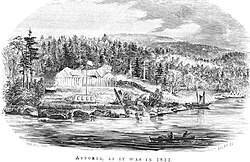
Migration began in earnest after 1813, as Native Hawaiians moved to the Pacific Northwest to work for the Columbia Fishing and Trading Company and the Hudson's Bay Company. During this era, some Polynesian Protestant students also immigrated to study theology.
By the 1830s, Native Hawaiian traders established communities in California. By 1847, they made up 10% of the population of Yerba Buena (modern-day San Francisco). This trend accelerated during the California gold rush, as many migrated to work as miners.
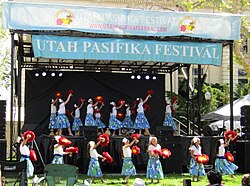
The late 19th century saw the establishment of the first Polynesian Mormon colony in Utah (1889), comprising Māori, Samoans, Tahitians, and Native Hawaiians. The US expansion into the Pacific—occupying Hawaii (1896), Guam (1898), and American Samoa (1900)—further diversified the flow of emigration.
Second Stage: 20th and 21st Centuries
The mid-20th century marked a surge in diversification. In 1950, residents of Guam gained full US citizenship, and the Immigration and Nationality Act of 1952 granted American nationals status to natives of American Samoa. This led to significant waves of migration from Guam, American Samoa, Tonga, and French Polynesia.
The 1959 admission of Hawaii as a state granted citizenship to over 630,000 people, sparking increased migration to the continental US. By the 1960s, factors such as the Korean War and Typhoon Karen drove Guamanians to the mainland, while others were recruited for agricultural work in California.
In the 1970s and 80s, migration expanded to include the Federated States of Micronesia (FSM) and Palau. A pivotal shift occurred in 1986 with the Compact of Free Association, an agreement allowing inhabitants of the FSM, Palau, and the Marshall Islands to live and work in the US without visas.
Demographics and Regional Distribution

The Pacific Islander population is characterized by a high birth rate and a significant number of multiracial individuals. While Hawaii and California remain the primary centers, sizeable communities exist in Washington, Utah, Texas, and Nevada.
In territories like American Samoa, Guam, and the Northern Mariana Islands, Pacific Islanders remain the majority or the primary ethnic group.
| Ancestry | Population (Alone or Combined) | Percentage of Total |
|---|---|---|
| Native Hawaiian | 680,442 | 42.9% |
| Samoan | 296,997 | 18.7% |
| Pacific Islander (Not Specified) | 261,391 | 16.5% |
| Chamorro | 147,947 | 9.3% |
| Tongan | 78,871 | 5.0% |
| Fijian | 54,383 | 3.4% |
| Marshallese | 52,624 | 3.3% |
| Other Groups | 113,818 | 7.2% |
| Total | 1,586,463 | 100% |
Major Ethnic Subgroups

Micronesian Americans
Marshallese Americans, originating from the Marshall Islands, have migrated primarily for healthcare, education, and employment. A significant wave occurred after government layoffs in 2000. Arkansas currently holds the largest Marshallese population, with over 6,000 residents, many of whom live in Springdale where they make up over 5% of the city's population.
Polynesian Americans
Samoan Americans come from both the independent nation of Samoa and the US territory of American Samoa. While 55,000 live in American Samoa, four times that number reside in the mainland US. Major concentrations are found in the San Francisco Bay Area, Los Angeles, San Diego, and Seattle.
Samoan Americans are also noted for their high rates of military enlistment. In American Samoa, military recruiters frequently exceed their quotas, reflecting a strong tradition of service.

Frequently Asked Questions


What is the difference between a US national and a US citizen in American Samoa?
Persons born in American Samoa are US nationals, meaning they owe permanent allegiance to the US and can work and reside there, but they are not automatically US citizens. However, they can obtain citizenship relatively easily upon moving to Hawaii or the mainland.
What is the Compact of Free Association?
The Compact of Free Association is an agreement between the US and the Federated States of Micronesia, Palau, and the Marshall Islands. It allows citizens of these nations to travel and work in the United States without requiring visas.
Which US state has the largest Pacific Islander population?
Hawaii has the largest population, followed closely by California. Other significant populations are found in Washington and Utah.
Why is there a large Marshallese community in Arkansas?
The concentration in Arkansas, specifically Springdale, is largely due to the Tyson Foods company, which relocated many of its Marshallese employees from the islands to its corporate base in Arkansas.
How did Native Hawaiians first arrive in the continental US?
Early migration began in the early 19th century, with Native Hawaiians moving to the Pacific Northwest for work in trading companies and Christian missions, and later to California as traders and gold miners.