Ovary Anatomy, Function, and the Biology of Ovarian Aging
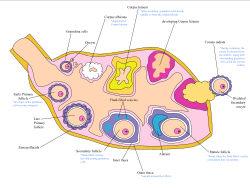
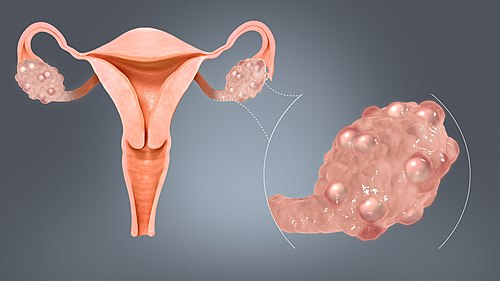
The ovary is a primary component of the female reproductive system, serving two critical biological roles: the production of gametes (oocytes) and the secretion of essential hormones. From the initial development of follicles to the eventual decline of reproductive capacity, the ovary undergoes complex physiological changes throughout a woman's life.
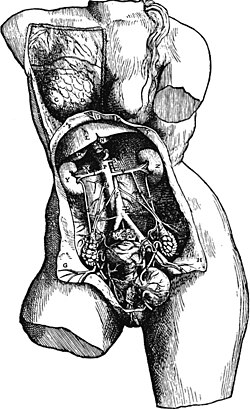
The vascular and neural support for the ovary is provided by the ovarian artery and uterine artery, with drainage via the ovarian vein. Nerve supply is managed by the ovarian plexus, and lymphatic drainage occurs through the paraaortic lymph nodes.
Key Facts
- Oocyte Reserve: Humans are born with approximately 1 million oocytes, but only about 500 (0.05%) will ever ovulate.
- Peak Fertility: Reproductive performance is typically optimal between the ages of 20 and 30.
- Menopause: The exhaustion of the ovarian reserve usually leads to menopause around age 52.
- DNA Repair: The BRCA1 protein is essential for repairing double-strand DNA breaks in oocytes via homologous recombinational repair.
- Clinical Variety: Ovarian pathologies range from benign cysts and PCOS to malignant epithelial and germ cell tumors.
Ovarian Aging and Reproductive Decline
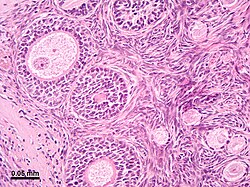
Ovarian aging is characterized by a steady decline in the number of available follicles, which eventually leads to menopause. While the follicle pool decreases significantly around age 45, the rate of decline in the ovarian reserve increases constantly with age.
This biological decline is not only linked to fertility but also to an increase in meiotic errors—mistakes during meiosis (the process of germ cell formation)—which can result in chromosomally abnormal conceptions and higher pregnancy failure rates.
The Role of DNA Repair and Genetics
Recent research suggests that the efficiency of DNA repair is a primary driver of ovarian aging. Specifically, homologous recombinational repair is the only known cellular process capable of accurately fixing DNA double-strand breaks. In women with mutations in the BRCA1 gene, this repair process is inefficient, often leading to premature menopause.
Studies have shown that the expression of four key genes—BRCA1, MRE11, RAD51, and ATM—declines with age in both humans and mice. This suggests that the accumulation of DNA double-strand breaks in primordial follicles (oocytes in prophase I of meiosis) is a central mechanism of reproductive failure.
Clinical Significance and Pathologies
The ovaries are subject to a wide array of clinical conditions, ranging from hormonal imbalances to malignant growths. These are generally categorized by their cellular origin or the nature of the lesion.
Ovarian Tumors
- Germ Cell Tumors: Most common in adolescents and young women. Examples include dysgerminomas (common between ages 10–30), yolk sac tumors (malignant, seen in young children), and teratomas.
- Epithelial Tumors: Includes serous cystadenocarcinoma (malignant with low survival rates) and mucinous cystadenocarcinoma.
- Other Tumors: Brenner tumors (often found in post-menopausal women), Granulosa cell tumors, and Krukenberg tumors (metastatic cancer originating in the stomach).
Cysts and Other Disorders
- Polycystic Ovarian Syndrome (PCOS): A common condition in women of reproductive age characterized by multiple small cysts.
- Endometriosis: Often indicated by the presence of "chocolate cysts."
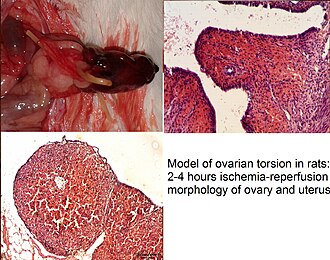
- Ovarian Torsion: A rare but serious condition where the ovary twists on its vascular pedicle.
- Ovarian Remnant Syndrome: Occurs when ovarian tissue is incompletely removed during an oophorectomy.
Historical Perspectives on Ovarian Biology
Our understanding of the ovary evolved through centuries of observation. In 1667, Nicolas Steno hypothesized that mammals produce eggs similar to birds. Later, Regnier de Graaf studied the follicle, though he mistakenly believed the entire follicle was the egg. It was not until later that researchers like Drelincourt and Malpighi clarified that the actual ovum is a much smaller cell within the follicle.
The term corpus luteum (Latin for "yellow body") was coined by Malpighi. By 1775, Percival Pott provided the first accurate description of the effects of an ovariectomy in humans, noting that the removal of both ovaries led to the cessation of menstruation and physical changes in the patient.
Comparative Anatomy
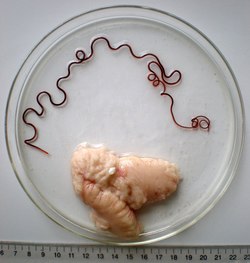
While the human ovary is the primary focus of clinical study, ovarian structures exist across various species. For example, some marine fish ovaries can be hosts to parasites such as the nematode Philometra fasciati. In the avian world, while many birds have a single functional ovary, some species, such as the Kiwi, possess paired ovaries.
Summary of Ovarian Characteristics
| Category | Key Details | Clinical/Biological Note |
|---|---|---|
| Oocyte Count | ~1 million at birth $\rightarrow$ ~500 ovulated | Massive attrition of ovarian reserve |
| Peak Function | 20–30 years of age | Optimal fertility window |
| Key Repair Gene | BRCA1 | Critical for double-strand break repair |
| Common Malignancy | Epithelial / Germ Cell | Varies by age group (adolescents vs. adults) |
| Hormonal Decline | Significant decrease around age 45 | Leads to menopause by ~age 52 |
Frequently Asked Questions
What is the ovarian reserve?
The ovarian reserve refers to the total number of primordial follicles (containing oocytes) available in the ovaries. This reserve is highest at birth and declines steadily throughout a woman's life until menopause.
How does the BRCA1 mutation affect the ovaries?
The BRCA1 protein is essential for homologous recombinational repair of DNA double-strand breaks. Mutations in this gene make the repair of naturally occurring DNA damage less efficient, which can lead to premature ovarian failure and early menopause.
What is the difference between a follicular cyst and a chocolate cyst?
A follicular cyst is a common fluid-filled sac that can occur during childbearing years or after menopause. A chocolate cyst is a specific type of cyst filled with old blood, which serves as a clinical indicator of endometriosis.
Why does fertility decline with age?
Fertility declines due to a combination of the decreasing number of available oocytes (depletion of the ovarian reserve) and an increase in meiotic errors, which leads to a higher frequency of chromosomally abnormal conceptions.
What is ovarian torsion?
Ovarian torsion is a rare medical emergency where the ovary twists around the ligaments that support it, potentially cutting off blood supply to the organ. It can occur in individuals of all ages.