Otto von Bismarck: The Iron Chancellor and the Unification of Germany
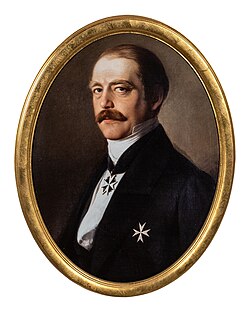
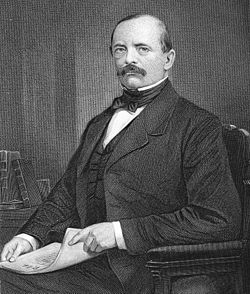
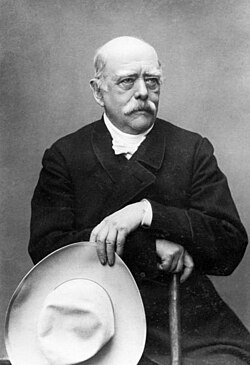
Otto von Bismarck remains one of the most influential figures in modern European history. Known as the Iron Chancellor, he was the primary architect of the German Empire, transforming a collection of independent states into a dominant global power through a combination of strategic diplomacy and decisive military action. His career spanned several decades, during which he served as the Minister President of Prussia and the first Chancellor of the German Empire.
Bismarck's approach to politics was defined by pragmatism and the pursuit of national interest over ideology. From his early days as a diplomat to his final years in retirement, he navigated the complex landscape of 19th-century Europe to ensure Prussian dominance and German stability.
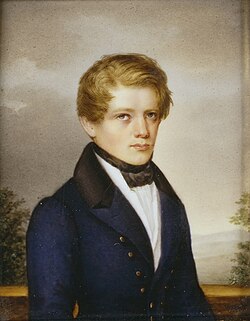
Key Facts
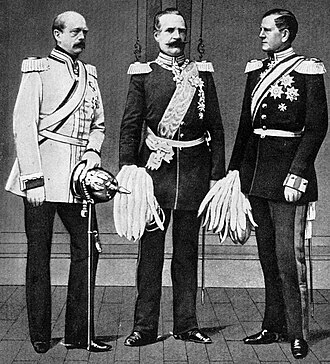
- Full Name: Otto Eduard Leopold von Bismarck-Schönhausen.
- Primary Role: First Chancellor of the German Empire (1871–1890).
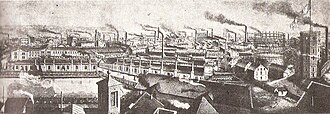
- Core Strategy: Utilized "Blood and Iron" (military force and industrial might) to achieve unification.
- Major Conflicts: Led Prussia through the Second Schleswig War, the Austro-Prussian War, and the Franco-Prussian War.
- Social Legacy: Established some of the world's first state-sponsored sickness, accident, and old-age insurance laws.
- Diplomatic Goal: Maintained a complex system of alliances to isolate France and avoid a general European war.
Early Life and Rise to Power
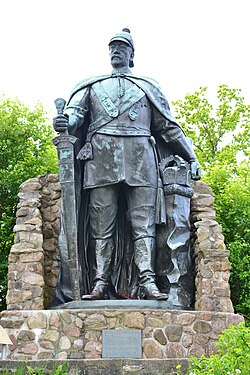
Born on April 1, 1815, in Schönhausen, Prussia, Bismarck was educated at the Universities of Göttingen, Berlin, and Greifswald. His early political career saw him serve as an ambassador to both Russia and France, experiences that provided him with a deep understanding of the geopolitical tensions of the era.
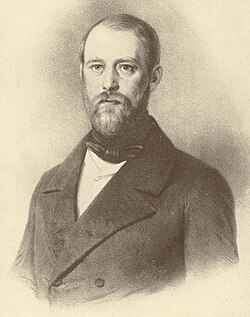
In 1862, Bismarck was appointed Minister President of Prussia under King Wilhelm I. It was during this period that he delivered his famous "Blood and Iron" speech, arguing that the great questions of the day would not be decided by speeches and majority decisions, but by military strength and industrial capacity.
The Path to German Unification
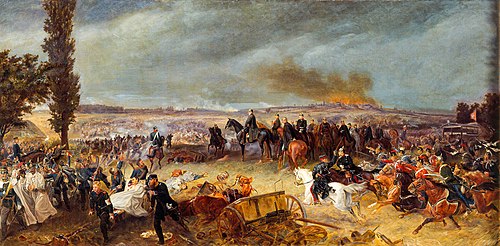
Bismarck orchestrated a series of three calculated wars to consolidate Prussian power and unify the German states. First, the Second Schleswig War saw the defeat of Denmark. This was followed by the Austro-Prussian War in 1866, which effectively removed Austria as a rival for leadership over the German-speaking lands.
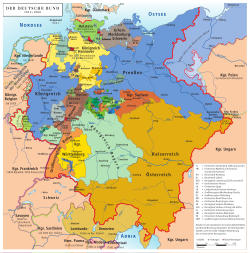
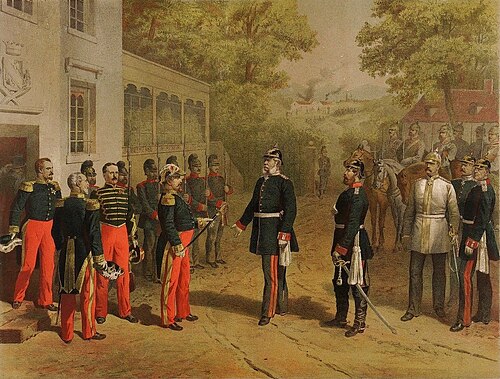
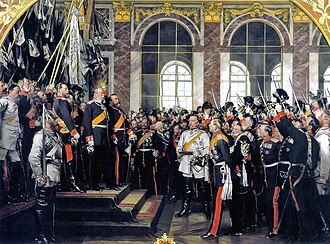
The final step was the Franco-Prussian War (1870–1871). This conflict galvanized the southern German states to join the North German Confederation. The war ended with the surrender of Napoleon III and the proclamation of Wilhelm I as the German Emperor in the Hall of Mirrors at Versailles in 1871.
Governance of the German Empire
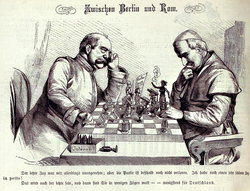
As the first Chancellor of the newly formed German Empire, Bismarck faced the challenge of integrating diverse regions and populations. He launched the Kulturkampf (Culture Struggle), a series of measures aimed at reducing the influence of the Catholic Church in state affairs.
Economic and Social Reforms
Despite his conservative political leanings, Bismarck introduced pioneering social welfare legislation to undercut the appeal of socialism. These included the Sickness Insurance Law of 1883, the Accident Insurance Law of 1884, and the Old Age and Disability Insurance Law of 1889.
Foreign Policy and Diplomacy
Bismarck's foreign policy was a masterclass in diplomacy. He sought to maintain a balance of power in Europe, creating the Triple Alliance and managing relations with Russia and Italy to ensure that Germany remained secure and France remained isolated.
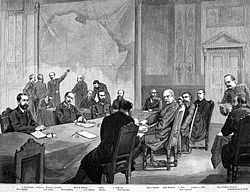
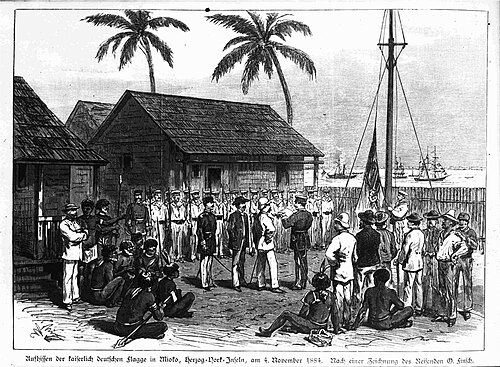
While he initially resisted colonial expansion, he eventually oversaw the acquisition of territories in Africa and the Pacific, including German New Guinea, to enhance Germany's global standing.
Downfall and Final Years
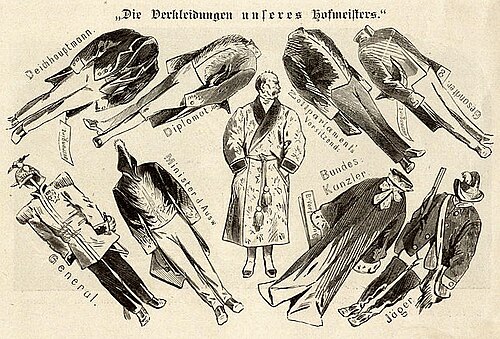
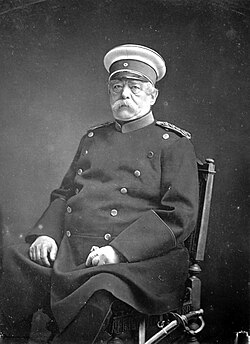
Bismarck's dominance ended with the accession of Wilhelm II. The new Emperor disagreed with Bismarck's cautious foreign policy and desired a more assertive role for Germany on the world stage. This tension led to Bismarck's forced resignation on March 18, 1890.
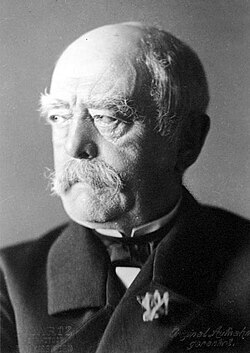
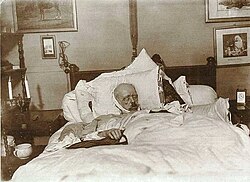
He spent his final years in retirement at Friedrichsruh, where he continued to comment on politics until his death on July 30, 1898, at the age of 83.
Summary of Bismarck's Career
| Position | Period | Key Achievement/Focus |
|---|---|---|
| Minister President of Prussia | 1862–1890 | Prussian military expansion and unification |
| Federal Chancellor (North German Confederation) | 1867–1871 | Consolidation of northern German states |
| Chancellor of the German Empire | 1871–1890 | Empire stability, social laws, and diplomacy |
| Minister of Foreign Affairs | 1862–1890 | Balance of power in Europe |
Frequently Asked Questions
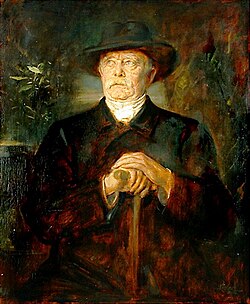
![Franz von Lenbach's portrait of Bismarck in his 75th year. He is in the uniform of the Cuirassier Regiment No. 7 (Magdeburg).[106]](/images/e3/89/e3894e15b65f9322bcd86460a05bef1e40132b9be93c29edf6cedae6ea2c4e7d.jpg)
![Bismarck's punchy sayings were borrowed by his successors, including the Nazis.[150] This 1942 Nazi propaganda poster quotes Bismarck: "If the Germans stick together, they will beat the devil out of hell."](/images/a4/d2/a4d2c003d26ae4437b9c386f9657d4c2bca56875919bd93a765b4ad6fa063ba9.jpg)
What does "Blood and Iron" mean in the context of Bismarck?
It refers to Bismarck's belief that German unification could not be achieved through democratic debate or parliamentary votes, but rather through military force (blood) and industrial/economic strength (iron).
What was the Kulturkampf?
The Kulturkampf was a conflict between the German government and the Roman Catholic Church. Bismarck aimed to reduce the political power of the Church and ensure that the state had primary authority over education and civil marriage.
Why did Bismarck introduce social welfare laws?
Bismarck introduced sickness, accident, and old-age insurance primarily as a strategic move to win the loyalty of the working class and weaken the influence of the socialist movement.
How did Bismarck maintain peace in Europe after 1871?
He used a complex web of alliances and treaties to ensure that Germany was always part of a majority coalition, effectively isolating France and preventing a coalition of powers from forming against Germany.
Why was Bismarck forced to resign?
He was forced to resign due to a clash of wills with Kaiser Wilhelm II, who wanted to pursue a more aggressive and independent foreign policy than the cautious approach Bismarck advocated.