Ornithology: The Science and Evolution of Bird Study
Ornithology, derived from the Ancient Greek words órnis (bird) and lógos (study of), is the specialized branch of zoology dedicated to the scientific study of birds. Because of their high visibility and aesthetic appeal, birds have long captivated both professional scientists and dedicated amateurs. This unique intersection of passion and science has allowed ornithology to contribute profoundly to broader biological concepts, including evolution, ecology, and behavior.
Historically, the field focused on the description and distribution of species. However, modern ornithology has shifted toward testing specific hypotheses and using birds as biological models to understand universal theories of life. While many researchers now identify as general biologists rather than strictly ornithologists, the tools and techniques developed within the field remain essential for understanding the natural world.
Key Facts

- Interdisciplinary Impact: Bird studies helped define key biological concepts such as speciation, ecological niches, and insular biogeography.
- Amateur Contribution: The field is notable for the significant time, financial support, and resources provided by non-professional enthusiasts.
- Methodological Shift: Research has evolved from museum-based morphological descriptions to university-led ecological and physiological studies.
- Global Application: Ornithological data is used today for biodiversity indicators, agricultural pest management, and zoonotic disease tracking.
The History of Avian Study

Early Knowledge and Scientific Foundations
Early human interest in birds is evident in ancient records, such as Egyptian tomb art depicting geese from the era of Nefermaat (c. 2575–2551 BC). For centuries, the study of birds was often viewed as a recreational pursuit or a collection-based hobby rather than a rigorous science.

During the Renaissance and early modern period, works like Belon's 1555 Book of Birds and Ulisse Aldrovandi's 1599 Ornithology began to systematize avian knowledge. By 1601, writers like Antonio Valli da Todi were already recognizing the critical links between a bird's territory and its song.

![Antonio Valli da Todi, who wrote on aviculture in 1601, knew the connections between territory and song.[34]](/images/57/4f/574ff703a1266ed2c7170ceb0c3c29af140d40e54d44d3a6703541704d394a60.jpg)
The Transition to Modern Ecology
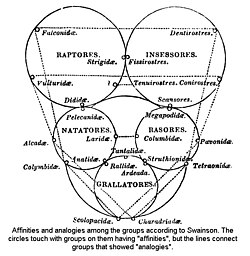
The shift from descriptive "museum science" to experimental ecology gained momentum in the early 20th century. Germany led this transition, establishing bird ringing stations as early as 1903. A pivotal figure in this movement was Erwin Stresemann, who shifted the editorial focus of the Journal für Ornithologie toward anatomy, physiology, and ecology, effectively moving the center of research from museums to universities.
In the United States, this ecological influence arrived via Ernst Mayr, a student of Stresemann. Meanwhile, in Britain, David Lack pioneered work in population ecology, though quantitative approaches were initially met with resistance by traditionalists in publications like The Ibis.
Ornithological Techniques and Methodology
Collections and Preservation
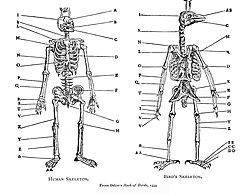
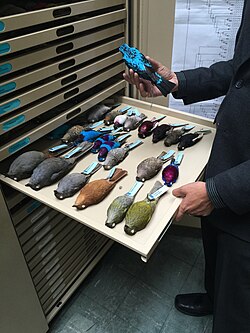
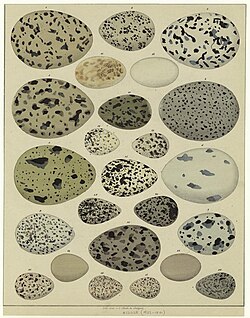
Historically, ornithology relied heavily on the collection of skins, eggs, and nests. While modern ethics emphasize non-invasive study, these historical collections remain invaluable for long-term ecological research and systematics (the study of the diversification of living forms). Morphometric measurements—the quantitative analysis of form—continue to be vital for identifying species and variations.
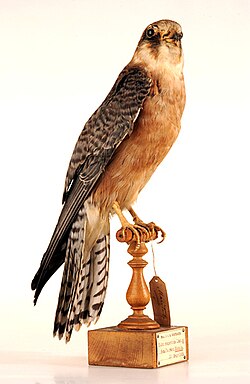
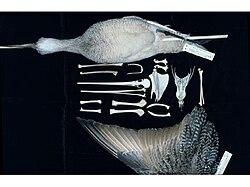
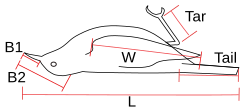
Field Research Methods
Fieldwork involves a variety of capture and marking techniques to track individual birds. Mist nets are commonly used to safely capture small birds, while metal identification tags, wing tags, and ringing are used for long-term tracking of migration and survival.
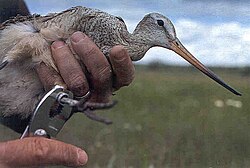
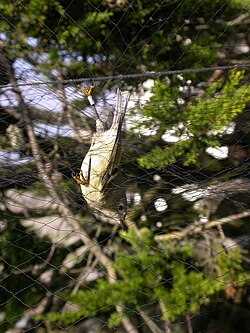
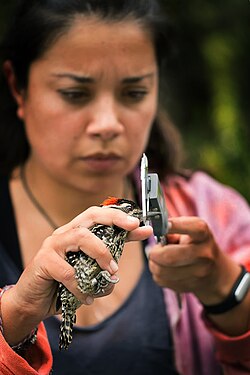
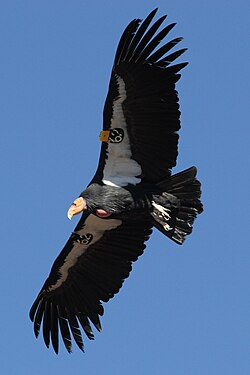
Laboratory and Collaborative Studies
In the laboratory, researchers use specialized tools like the Emlen funnel to study the migratory orientation of birds, sometimes integrating these tools with planetariums to simulate night skies. Modern advancements have introduced DNA barcoding for species identification and the sequencing of genomes, such as that of the zebra finch.
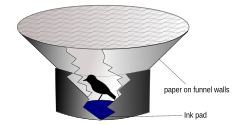
Practical Applications of Ornithology
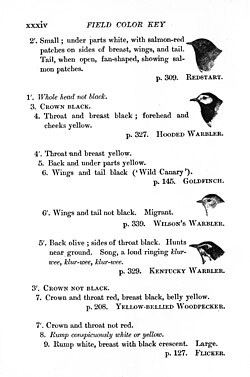
The study of birds extends beyond pure science into critical real-world applications:
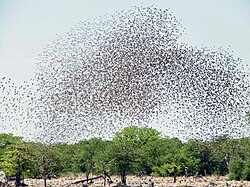
- Agriculture: Managing pests, such as the red-billed quelea in Africa, which can cause significant crop damage.
- Public Health: Tracking the migration of birds to monitor the spread of zoonotic diseases, including West Nile Virus and Influenza A.
- Conservation: Using birds as indicators of overall biodiversity and implementing captive breeding programs for endangered species.
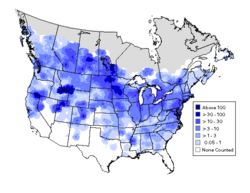
- Citizen Science: Large-scale collaborative efforts, such as the Great Backyard Bird Count, provide massive datasets for population distribution and abundance.
| Era | Primary Focus | Key Methods | Primary Setting |
|---|---|---|---|
| Early/Classical | Description & Distribution | Observation, Art, Collecting | Field & Private Collections |
| 19th to Early 20th Century | Morphology & Taxonomy | Skin collections, Morphometrics | Museums |
| Mid 20th Century to Present | Ecology & Behavior | Ringing, Radar, DNA Analysis | Universities & Field Stations |
Frequently Asked Questions
What is the difference between a birdwatcher and an ornithologist?
While birdwatchers are often amateurs who enjoy the observation of birds for recreation, ornithologists are scientists who apply rigorous biological methods to study avian anatomy, physiology, behavior, and ecology to test scientific hypotheses.
How do ornithologists track bird migration?
Researchers use several methods, including bird ringing (attaching metal bands to legs), wing tags for visual identification, radar technology, and laboratory tools like Emlen funnels to study orientation.
Why are bird collections still important if we have photography?
Physical specimens allow for precise morphometric measurements and DNA extraction, which are essential for systematics and understanding how species have evolved or changed over centuries.
How does ornithology help in human health?
By studying bird migration patterns, scientists can predict and monitor the movement of emerging zoonotic diseases, such as avian influenza and West Nile Virus, which can jump from birds to humans.
What is an ecological niche in the context of birds?
An ecological niche refers to the specific role and position a bird species has within its environment, including its diet, habitat, and interactions with other species, which helps prevent direct competition between similar species.