Sarus Crane: The World's Tallest Flying Bird
The Sarus crane (Antigone antigone) is a magnificent avian species renowned for its impressive stature and striking appearance. As one of the largest flying birds in the world, it is a symbol of grace and endurance across its diverse range in Asia and Australia. From the wetlands of India to the rice paddies of Myanmar, these birds play a vital role in their ecosystems while facing significant conservation challenges.
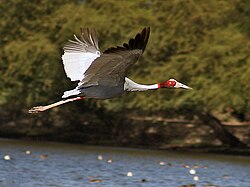
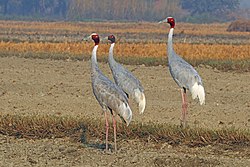
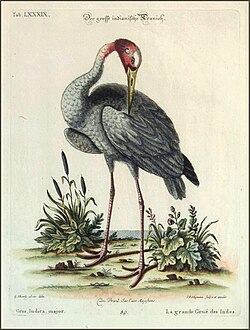
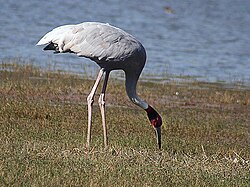
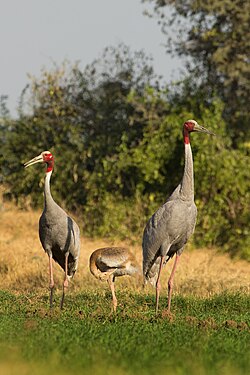
These cranes are easily identified by their grey bodies and distinctive red heads and upper necks. In certain populations, such as those in India, they exhibit a characteristic white "collar" that adds to their visual appeal.
Key Facts
- Conservation Status: Listed as Vulnerable (IUCN 3.1) and included in CITES Appendix II.
- Global Population: Estimated at 16,000 mature individuals as of 2025.
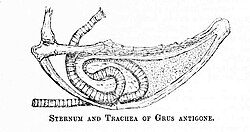
- Physical Trait: Possess a long, coiled trachea used to produce loud, trumpeting calls.
- Distribution: Found across South Asia, Southeast Asia, and Australia.
- Habitat: Primarily inhabit wetlands, marshes, and agricultural rice paddies.
Taxonomy and Subspecies
The Sarus crane belongs to the family Gruidae within the order Gruiformes. While once classified under the genus Grus, it is now recognized as Antigone antigone. The species is divided into several subspecies based on geography and physical characteristics:
- A. a. antigone: The Indian sarus crane, known for its distinct white collar.
- A. a. sharpii: The Indochinese or Burmese sarus crane, also known as the red-headed crane.
- A. a. gillae: The Australian sarus crane.
- A. a. luzonica: The Philippine sarus crane, which is now extinct.
Physical Description and Measurements
The Sarus crane is characterized by its immense size, though measurements vary significantly by region. Northern Indian populations are among the heaviest cranes globally, often outweighing their Australian counterparts by approximately 25%.
In Australia, the Sarus crane is often mistaken for the brolga. The primary difference is that the brolga's red coloring is confined to the head, whereas the Sarus crane's red plumage extends down the neck.
| Measurement (Male) | A. a. antigone (India) | Combined Average (General) |
|---|---|---|
| Culmen (Bill) | 172–182 mm | 156–187 mm |
| Wing Length | 670–685 mm | 514–675 mm |
| Tail Length | 255–263 mm | 150–200 mm |
| Tarsus (Leg) | 310–355 mm | 269–352 mm |
| Average Weight | ~8.4 kg | Varies (Australia: 5.0–6.9 kg) |
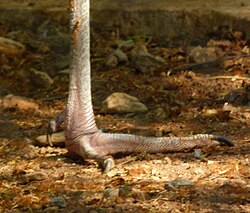
A unique anatomical feature of all cranes, including the Sarus, is a raised and significantly reduced hind toe, which aids in their movement across marshy terrains.
Distribution and Habitat
The Sarus crane is widely distributed across various Asian landscapes. Recent field surveys in Myanmar, particularly in the Ayeyarwadi delta, have revealed that populations are higher than previously estimated, with over 150 breeding pairs discovered. The majority of these nests are located in rice paddies, though some are found in flooded grass patches.
Ecology and Behavior
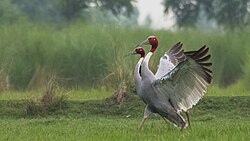
Sarus cranes are highly social birds with complex behavioral patterns. They are known for their strong pair bonds and elaborate courtship rituals, which include bowing displays, leaping, and unison calling—a coordinated vocalization between mates.
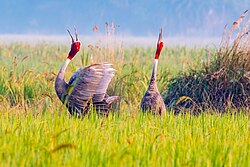
Their vocalizations are made possible by a specialized, long, coiled trachea that acts as a resonator, allowing their trumpeting calls to carry over long distances.
Feeding and Diet
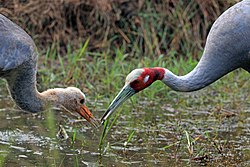
These birds are opportunistic feeders. While they primarily forage in marshlands, their diet is varied and can include fish, eggs, and even the chicks of other birds, such as the grey-headed swamphen. They have also been observed predating on the eggs of the three-striped roofed turtle.
Breeding and Life Cycle
Breeding typically occurs in wet areas where the birds can build nests safe from land-based predators. While clutch sizes vary, they typically lay eggs that are carefully incubated by the parents.
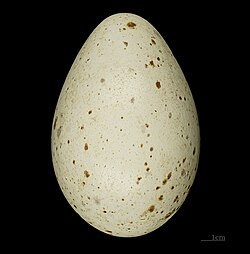
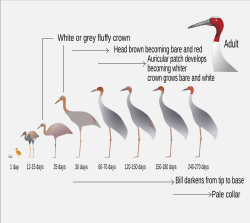
Juveniles remain with their parents for a significant period, receiving food and protection as they develop their adult plumage.
Conservation Status and Threats
As of 2025, the global population of mature individuals is estimated between 15,000 and 17,500. The distribution of these populations is uneven:
- South Asia (A. a. antigone): ~10,500 individuals.
- Australia (A. a. gillae): 3,000–5,000 individuals.
- Indochina (A. a. sharpii): 400–600 individuals.
The species faces several mortality factors, including poisoning from pesticides like monocrotophos and aldrin, collisions with electricity wires, and the theft of eggs. Habitat loss due to agricultural intensification also poses a long-term threat.
Frequently Asked Questions
How can you tell a Sarus crane apart from a brolga?
The most reliable way to distinguish them is by the red coloring; in the Sarus crane, the red extends down the neck, whereas in the brolga, it is confined to the head.
Why do Sarus cranes make such loud calls?
They possess a long, coiled trachea that amplifies their voice, allowing them to communicate across vast distances in open wetlands.
Which subspecies of Sarus crane is the most populous?
The nominate subspecies, Antigone antigone antigone found in South Asia, has the largest population, estimated at approximately 10,500 mature individuals.
What is the conservation status of the Sarus crane?
The species is currently classified as Vulnerable by the IUCN and is listed under CITES Appendix II to regulate international trade.
Where do Sarus cranes typically build their nests?
They primarily nest in wetlands and marshes, but they are frequently found nesting in agricultural rice paddies, especially in regions like Myanmar and India.