Ornamental Plants: Enhancing Landscapes with Beauty and Texture
In the world of gardening, ornamental plants—often simply called "ornamentals"—are grown primarily for their aesthetic appeal. While they are celebrated for their vibrant colors, soothing scents, and unique shapes, their value extends to how they define and structure physical spaces. Whether providing privacy through a tall hedge or adding delicate texture to a flower bed, these plants are the essential building blocks of landscape design.
It is important to note that "ornamental plant" is not a formal scientific category in botany. Many garden varieties are original species, while others are specially bred cultivars—plants that have been selectively bred to improve specific traits such as bloom duration, color intensity, or fragrance.
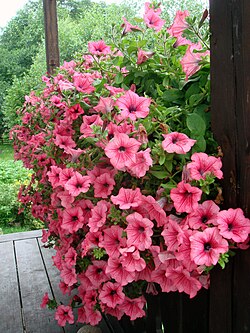
Key Facts
- Ornamental plants are grown for aesthetic features like flowers, foliage, scent, and form.
- The cultivation of these plants falls under floriculture and tree nurseries, branches of horticulture.
- The history of ornamental horticulture dates back to ancient civilizations around 2000 BC.
- Plants can serve dual purposes, acting as both ornamental garden features and utilitarian crops (e.g., lavender).
- Ornamental grasses are highly valued for their hardiness and low-maintenance nature.
Diverse Categories of Ornamental Plants
The variety of plants used for ornamentation is vast, spanning almost every botanical type. This includes trees, shrubs, climbers, succulents, aquatic plants, and herbaceous perennials. In the horticultural trade, they are often categorized by their specific use or growth habit:
- Houseplants: Often grown for their striking foliage.
- Bedding plants: Typically used for seasonal color displays.
- Hedges: Used for structure and privacy.
- Cut flowers: Grown for floral arrangements.
- Foliage plants: Valued for leaves that may be evergreen or deciduous (changing color in the fall).
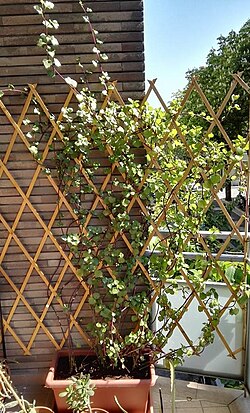
Foliage and Blooms
Some gardeners focus on foliage plants, which are prized for their leaf texture and color. This can include lacy leaves, long needles, or even silvery-gray ground covers. Others prioritize flowering plants, often selecting a variety of species to ensure a continuous display of blooms throughout the spring and summer seasons.
The Versatility of Ornamental Grasses
One of the most popular additions to modern landscapes is the ornamental grass. These plants are celebrated for their resilience, particularly in colder hardiness zones, and their ability to provide visual interest through the fall and winter. They add motion, sound, and linear form to a garden with minimal upkeep.
While many ornamental grasses belong to the true grass family (Poaceae), the term also encompasses several other grass-like families, including:
- Sedges (Cyperaceae)
- Rushes (Juncaceae)
- Restios (Restionaceae)
- Cat-tails (Typhaceae)
Most of these are monocotyledons—plants with a single embryonic leaf—and are typically herbaceous perennials with narrow leaves and parallel veins.
Historical Context and Cultivation
The practice of ornamental gardening is ancient. Evidence of landscape design and ornamental horticulture can be found in Egyptian tomb paintings dating back to 1500 BC, where wealthy pharaohs maintained vast lands dedicated to diverse plant species. Today, the cultivation of these plants is a major branch of horticulture.
A key distinction in gardening is between ornamental plants and utilitarian plants. Utilitarian plants are grown for food, timber, or industrial use. However, these categories often overlap. For example, lavender is frequently grown as an ornamental plant for its beauty and scent, but it is also a significant crop used for the production of lavender oil.
Summary of Ornamental Plant Types
| Category | Primary Aesthetic Feature | Common Examples/Traits |
|---|---|---|
| Flowering Plants | Blooms and Scent | Varied colors, delicate or showy petals |
| Foliage Plants | Leaves and Texture | Evergreen, deciduous, or colorful foliage |
| Ornamental Grasses | Form and Motion | Hardy, low-maintenance, linear textures |
| Succulents | Structure and Shape | Unique geometric forms and water storage |
Frequently Asked Questions
Is "ornamental plant" a scientific botanical term?
No. In scientific botany, plants are classified by biological characteristics. "Ornamental" is a horticultural term used to describe plants grown for their beauty rather than their functional or agricultural use.
What is the difference between a species and a cultivar?
A species refers to the original, wild plant. A cultivar is a plant variety that has been specifically bred or selected by humans to improve certain traits like color, scent, or shape.
Can a plant be both ornamental and utilitarian?
Yes. Many plants serve dual purposes. For instance, lavender is used ornamentally for its appearance in gardens, but it is also grown as a crop to produce essential oils.
Why are ornamental grasses popular in cold climates?
Ornamental grasses are highly valued in colder hardiness zones because of their resilience to low temperatures and their ability to maintain aesthetic value throughout the autumn and winter seasons.
What are the main features people look for in ornamental plants?
Gardeners typically select plants based on their flowers, leaf texture, scent, fruit, stem, bark, or overall aesthetic form.