Horticulture: The Science and Art of Plant Cultivation
Horticulture is the specialized science and art of growing fruits, vegetables, flowers, and ornamental plants. While often confused with general agriculture, horticulture is distinct due to its focus on artistic expression, landscaping, and the use of scientifically informed controlled environments. Unlike large-scale industrial agronomy, which relies heavily on field mechanization, horticulture often utilizes intensive outdoor systems or greenhouses to manage plant life with precision.
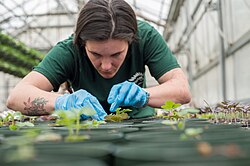
At its core, horticulture involves managing various environmental variables to optimize plant health and yield. This can range from small-scale gardening to highly industrialized commercial production, such as Controlled Environment Agriculture (CEA), where factors like temperature and light are strictly regulated.
Key Facts
- Origins: Began with plant domestication approximately 10,000 to 20,000 years ago.
- Core Distinction: Focuses on intensive, often ornamental or small-scale cultivation compared to large-scale agronomy.
- Propagation Methods: Includes sexual (seeds) and asexual (cuttings, grafting, layering) techniques.
- Modern Innovation: Uses CRISPR technology to improve crop resistance, nutrition, and flavor without adding foreign DNA.
- Major Divisions: Includes arboriculture, floriculture, landscaping, and turf maintenance.
The History and Evolution of Plant Cultivation
The history of horticulture is deeply intertwined with the history of humanity. It began with the domestication of plants for sustenance. As human civilizations became more sedentary, the focus expanded from purely nutritional needs to the cultivation of plants for their ornamental value. In Europe, horticulture eventually diverged from general agriculture during the Middle Ages.
Historically, horticultural practices have been shaped by local culture and climate, utilizing different tools and land management methods to suit specific environments. Today, the field continues to evolve through emerging technologies that address modern challenges.
Major Divisions of Horticulture
Because plants are grown for such diverse purposes, the field is divided into several specialized branches. Each requires unique skills, tools, and scientific knowledge.
Specialized Branches
- Arboriculture: The cultivation and management of individual trees and shrubs.
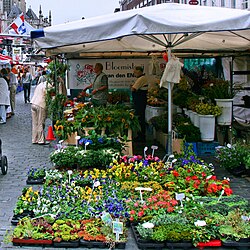
- Floriculture: The production and marketing of flowering and ornamental plants.
- Landscaping: The art of designing and modifying outdoor spaces for aesthetic and functional purposes.
- Turf Maintenance: The science of managing grasses for lawns, sports fields, and landscapes.
- Plant Propagation: The process of increasing plant numbers through sexual or asexual methods.
- Plant Conservation: Efforts focused on landscape restoration and preserving plant species.
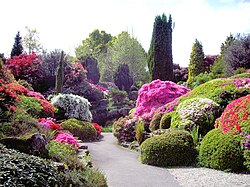
Technical Aspects of Plant Growth
Successful horticulture requires precise control over the environment. Horticulturists must manage various abiotic stressors—non-living environmental factors that can impact plant health. These include temperature, light, water availability, soil pH, nutrient levels, humidity, and elevation.
Propagation Techniques
Increasing the number of individual plants is achieved through two primary methods:
- Sexual Propagation: Utilizing seeds to produce new plants.
- Asexual Propagation: Using vegetative parts of a plant, such as tubers, corms, bulbs, or cuttings, through techniques like grafting and layering.
Managing Environmental Challenges
Modern commercial horticulture faces significant challenges due to global climate change. Increasing extremes in temperature, precipitation, and drought, alongside issues like salinity and air pollution, can lead to significant crop losses. For example, increased evapotranspiration and nutrient depletion in soils can result in up to a 70% loss in crop yield.
Emerging Technologies: The CRISPR Revolution
One of the most significant advancements in recent years is the use of CRISPR (Clustered Regularly Interspaced Short Palindromic Repeats). This technology allows for the precise, low-cost alteration of plant genomes. Unlike traditional Genetically Modified Organisms (GMOs), CRISPR does not necessarily add "alien" DNA to the plant.
Since 2013, CRISPR has been used to:
- Enhance resistance to parasites, disease, and drought.
- Improve nutritional content, taste, and overall yield.
- Edit undesirable traits, such as reducing browning in potatoes.
- Address low pollination rates and low fruit yields in greenhouse settings.
Summary of Horticultural Overview
| Category | Description | Key Focus Area |
|---|---|---|
| Propagation | Increasing plant numbers | Seeds, grafting, and cuttings |
| Abiotic Stress | Non-living environmental pressures | Drought, salinity, and temperature |
| Biotic Stress | Living biological pressures | Parasites and diseases |
| CRISPR | Genome editing technology | Yield, nutrition, and resistance |
Frequently Asked Questions
What is the difference between horticulture and gardening?
While gardening often focuses on the aesthetic care and maintenance of plants, horticulture emphasizes scientific methods, plant breeding, and technical cultivation practices.
How does asexual propagation work?
Asexual propagation involves creating new plants from the vegetative parts of an existing plant. This is done through methods such as division, separation of tubers or bulbs, cutting, layering, and grafting.
What are abiotic stressors in horticulture?
Abiotic stressors are non-living environmental factors that can negatively impact plant growth. Examples include extreme temperatures, drought, salinity, UV damage, and air pollution.
Is CRISPR the same as GMO technology?
No. While both involve genetic alteration, CRISPR is a precise method of editing a plant's existing genome and does not require the addition of foreign or "alien" DNA, which distinguishes it from many traditional GMO processes.
Why is harvest management important?
Careful harvest management is essential to minimize mechanical injuries and wounding. During harvesting and transport, horticultural goods can suffer from compression forces and impacts, which can damage the quality of the crop.