The Essential Guide to Groundcover: Ecology, Gardening, and Environmental Impact
Whether you are walking through a dense forest or tending to a backyard garden, you are likely looking at groundcover. Often described as a living carpet, groundcover refers to any plant that grows low to the ground. While it may seem like a simple layer of greenery, these plants play a vital role in protecting topsoil from erosion and drought, and they serve as a foundation for complex ecosystems.
Defining Groundcover
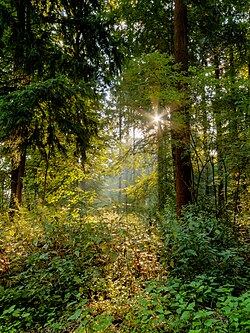
The term "groundcover" is used differently depending on whether you are speaking with an ecologist, a farmer, or a gardener. In ecology, it is often referred to as the herbaceous layer—the layer of vegetation situated just below the shrub layer. This layer provides essential habitats and concealment for fossorial fauna, which are animals that live underground or burrow. Because of the various ways it is classified, ecologists may also call it the "regenerative layer," "ground flora," or even "step over."
In the field of agriculture, the definition expands. Here, ground cover refers to anything placed on top of the soil to inhibit weeds and prevent erosion. This can range from low-growing grasses to man-made materials like plastic or landscaping fabric—a breathable tarp designed to allow for the exchange of water and gases.
For gardeners, however, the term is more specific. In gardening jargon, groundcover refers to intentional plant selections used to replace weeds and improve the aesthetic appeal of a landscape by concealing bare earth.
Environmental Contributions
Although the herbaceous layer is often overlooked in ecological studies because it contributes a relatively small amount of an environment's total biomass, its impact is disproportionately large. In many forest ecosystems, the groundcover layer can account for up to 90% of the total plant diversity.
Furthermore, the relationship between biomass and productivity is significant. The herbaceous layer can contribute up to 4% of an ecosystem's Net Primary Productivity (NPP)—the rate at which plants produce organic matter—which is four times its average biomass. This makes it a powerhouse for energy production within its habitat.
Growth, Reproduction, and Resilience
Groundcover plants are highly adaptable and typically reproduce through one of five primary methods:
- Side growth: Branches extend outward upon contacting the soil.
- Base growth: New plants emerge from the base of the original plant.
- Under/Above-ground growth: Plants spread via rhizomes (underground stems) or stolons (above-ground runners).
- Roots: Growth stemming directly from the root system.
These plants also react to environmental changes in two ways: legacy responses, which occur during long-term shifts like the conversion of a forest to farmland, and active responses, which are reactions to sudden disturbances such as forest fires or tornadoes.
The Impact on Forest Regeneration
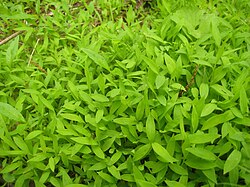
Groundcover acts as a natural filter for the forest floor. For tree seedlings to grow, they must fall from their parent trees and permeate the groundcover layer to reach the soil and germinate. While the groundcover filters out many seeds, it allows a specific portion to pass through, creating necessary space between seeds for future growth. However, if the groundcover becomes too dense, it can prevent all seeds from reaching the soil, potentially converting a forest into a landscape dominated by shrubbery.
Groundcover also regulates light levels. In a study of the Rhododendron maximum canopy in the southern Appalachian region, researchers found that while 4–8% of total sunlight reaches the herbaceous layer, only 1–2% actually reaches the ground.
Species Variations and Foliage
Ecologists classify groundcover species based on their height and how they handle the seasons:
Residency vs. Transient Species
Residency species are permanently classified as herbaceous because they typically reach a maximum height of 1.5 metres (4 ft 11 in). Transient species are capable of growing taller than this, meaning they are only temporarily considered herbaceous. These varying heights create diverse habitats for birds such as the wren, the harvest mouse, and the reed warbler.
Evergreen vs. Deciduous
In terms of foliage, evergreen groundcover retains its leaves throughout the entire year, whereas deciduous groundcover loses its foliage during the winter months.
Groundcover in Gardening and Landscaping
In a garden setting, groundcover is chosen for its ability to minimize weeds and provide lush coverage. There are five general types of plants used for this purpose:
- Vines: Woody plants with slender, spreading stems.
- Herbaceous plants: Non-woody plants.
- Shrubs: Low-growing, spreading species.
- Moss: Larger, coarser species.
- Ornamental grasses: Especially varieties that stay low to the ground.
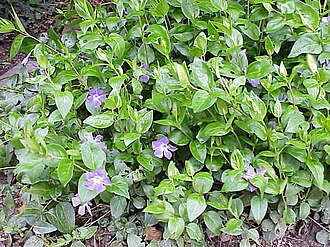
Commonly used varieties include Alfalfa, Clover, Ivy, Mint, and Periwinkle. Specific examples used in landscaping include:
- Mesembryanthemum cordifolium
- Senecio tropaeolifolius
- Gazania rigens
- Liriope muscari
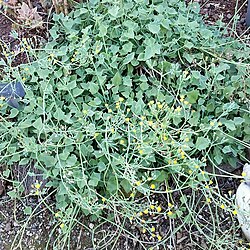
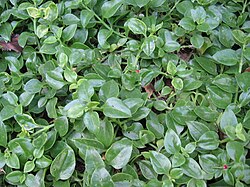
Groundcover is also a premier choice for roof gardens. Because roofs are exposed to harsh winds, intense sun, and heavy rain, they require plants that are resilient and fast-growing. Groundcover provides a low-maintenance way to transform unused roof space into productive, aesthetically pleasing vegetation.
Key Facts
- Groundcover can contribute up to 90% of plant diversity in forest ecosystems.
- The herbaceous layer can account for up to 4% of an ecosystem's Net Primary Productivity.
- Residency species are defined by a maximum height of 1.5 metres.
- Groundcover acts as a filter for tree seedlings attempting to reach the soil.
- In roof gardens, groundcover is valued for being low maintenance and weather-resistant.
| Context | Primary Purpose | Common Materials/Types |
|---|---|---|
| Ecology | Habitat and biodiversity | Herbaceous layer, ground flora |
| Agriculture | Erosion and weed control | Grasses, plastic, landscaping fabric |
| Gardening | Aesthetics and weed suppressionVines, moss, ornamental grasses, shrubs |
Frequently Asked Questions
What is the difference between residency and transient species?
Residency species are plants that stay within a maximum height of 1.5 metres and are permanently considered herbaceous. Transient species can grow taller than 1.5 metres, making them only temporarily herbaceous.
How does groundcover affect the growth of new trees?
Groundcover acts as a filter. It can help by providing space between seeds, but if it becomes too dense, it can prevent seeds from reaching the soil, which may stop tree regeneration and lead to a landscape of only shrubs.
Why is groundcover used on rooftops?
Groundcover is ideal for roof gardens because it is fast-growing, low maintenance, and can withstand harsh environmental conditions like high winds, intense sunlight, and heavy rain.
What are the two ways groundcover responds to environmental changes?
Plants exhibit legacy responses to long-term environmental changes (such as a forest becoming farmland) and active responses to sudden disturbances (such as a forest fire or a tornado).
What is the difference between evergreen and deciduous groundcover?
Evergreen groundcover keeps its foliage all year long, while deciduous groundcover loses its leaves during the winter months.