Angiosperms: The Remarkable Evolution and Diversity of Flowering Plants
Since their emergence in the Early Cretaceous period, angiosperms—commonly known as flowering plants—have come to dominate much of the Earth's terrestrial landscapes. From the towering canopy of an oak tree to the microscopic floating Wolffia arrhiza, these plants exhibit an extraordinary range of forms, sizes, and ecological roles. Their success is rooted in complex reproductive strategies and highly efficient biological structures that allow them to thrive in environments ranging from arid deserts to salt marshes.
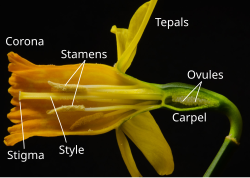
Key Facts
- Temporal Range: Emerged during the Early Cretaceous (Valanginian) and continue to thrive today.
- Biological Distinction: Characterized by the presence of flowers and reduced gametophytes.
- Extreme Diversity: Includes the massive Eucalyptus regnans (nearly 100m tall) and the tiny Wolffia arrhiza (under 2mm).
- Major Groups: Primarily divided into Monocots, Eudicots, and Magnoliids.
- Economic Importance: Provides essential food sources including rice, wheat, legumes, and various fruits.
Distinguishing Biological Features
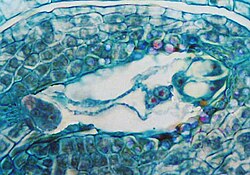
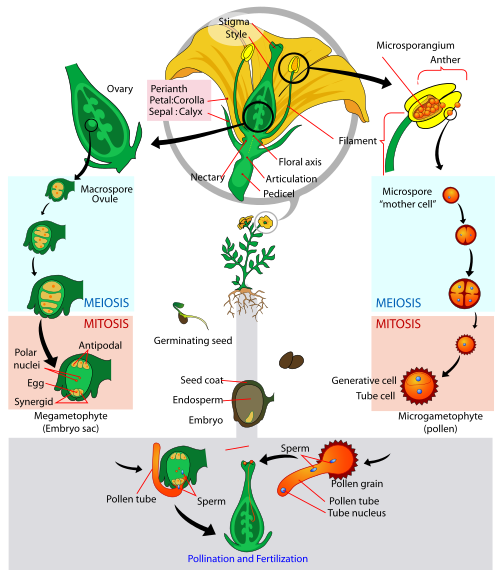
What sets angiosperms apart from other plant groups is their specialized reproductive and vascular systems. Unlike many other plants, angiosperms possess reduced gametophytes—the reproductive cells. In most species, the male gametophyte consists of three cells, while the female gametophyte typically contains seven cells with eight nuclei.
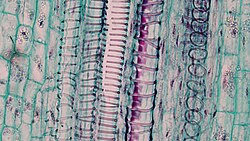
Furthermore, their internal transport systems are highly advanced. Angiosperms utilize xylem vessels, which are long, specialized tubes designed to transport water and minerals efficiently throughout the plant body.
Reproduction and Seed Development
The life cycle of an angiosperm is centered around the flower, which facilitates fertilization. Following fertilization, the ovules develop into seeds, while the fertilized carpel (the female reproductive organ) develops into a fruit. This process ensures the protection and dispersal of the next generation.
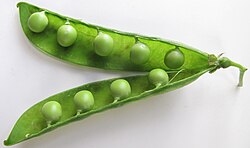
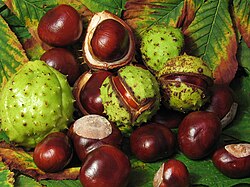
Fruits serve various roles, sometimes splitting open to release seeds—a process known as dehiscing.
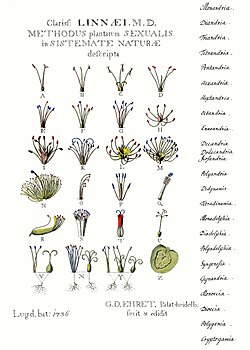
Taxonomic Diversity and Classification
The classification of flowering plants is a dynamic field. Modern systems, such as the Angiosperm Phylogeny Group (APG IV), use molecular data to organize these plants into complex evolutionary lineages. The primary clades include basal angiosperms (such as Amborellales and Nymphaeales) and the more derived core angiosperms.
The core angiosperms are largely categorized into three major groups:
- Magnoliids: Including orders like Magnoliales and Laurales.
- Monocots: Such as grasses (Poaceae) and orchids (Orchidaceae).
- Eudicots: A vast group containing most common flowering plants, including the rose family (Rosaceae) and the daisy family (Asteraceae).
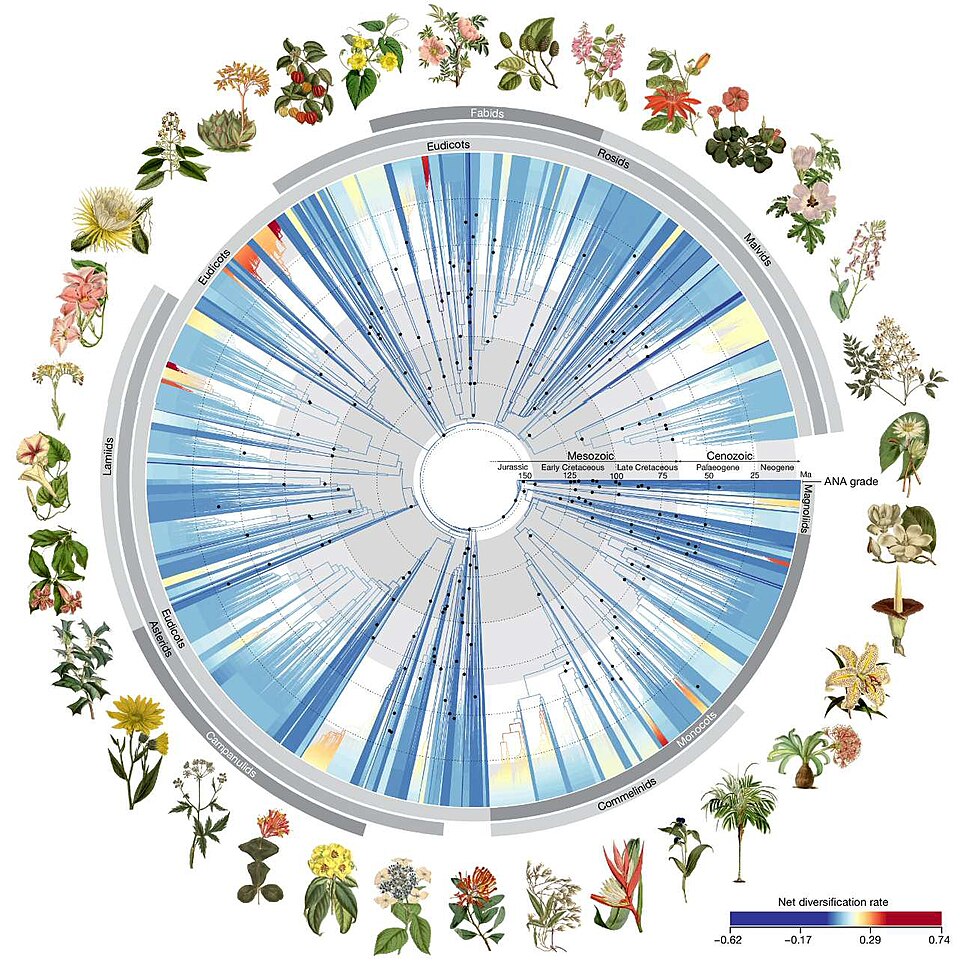
The evolutionary history of these groups is marked by periods of rapid diversification. For example, adaptive radiation during the Cretaceous period led to the creation of many diverse lineages, such as the Sagaria in the Ranunculaceae family.
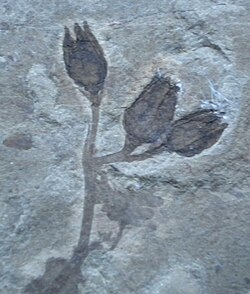
Diversity of Forms and Habitats
Angiosperms have adapted to nearly every terrestrial habitat. They can be herbaceous (soft-stemmed), woody (trees and shrubs), or climbing (vines). They also exhibit diverse nutritional strategies, ranging from purely photosynthetic to parasitic.
Their ecological niches are equally varied. Some are aquatic, like the water lily, while others are wind-pollinated (grasses) or insect-pollinated (apples). They can tolerate a wide spectrum of conditions, including extreme temperatures, varying acidity (pH), and different salinity levels.
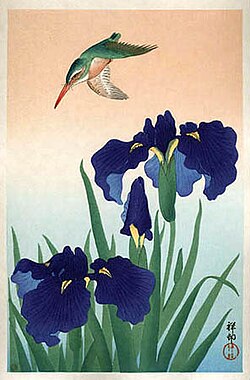
However, this diversity is under threat. Certain species, such as Viola calcarata, are noted as being highly vulnerable to the effects of climate change.
![Viola calcarata, a species highly vulnerable to climate change.[91]](/images/d8/e4/d8e4fda09fd391aa33f5e425e8cfa58e6d78f69f7ccc4456ae1c92b182a481c3.jpg)
Human Importance and Food Sources
Human civilization is deeply intertwined with angiosperms. They provide the vast majority of our caloric intake through various families:
| Family | English Name | Example Foods |
|---|---|---|
| Poaceae | Grasses | Rice, maize, wheat, barley, oats, sugar cane |
| Fabaceae | Pea family | Peas, beans, lentils, alfalfa |
| Solanaceae | Nightshade family | Potatoes, tomatoes, peppers, aubergines |
| Cucurbitaceae | Gourd family | Squashes, cucumbers, pumpkins, melons |
| Brassicaceae | Cabbage family | Cabbage, broccoli, mustard, oilseed rape |
| Apiaceae | Parsley family | Carrot, parsley, coriander, fennel, cumin |
| Rutaceae | Rue family | Oranges, lemons, grapefruits |
| Rosaceae | Rose family | Apples, pears, cherries, peaches, plums |
Beyond direct consumption, angiosperms are vital for agriculture and industry. Rice harvesting, for instance, remains a cornerstone of global food production.
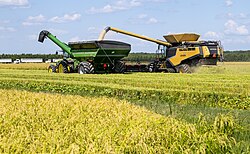
Even in diverse culinary traditions, plant-based ingredients are central, such as the use of lentils in Indian Dal tadka.

Frequently Asked Questions
When did flowering plants first appear?
Angiosperms first appeared during the Early Cretaceous period, specifically during the Valanginian stage.
What is the difference between a monocot and a eudicot?
Monocots and eudicots are major groups of angiosperms. While they have different evolutionary lineages, they are distinguished by various morphological characteristics, such as seed structure and leaf venation.
How do angiosperms reproduce?
Angiosperms reproduce via flowers. This involves the transfer of pollen to the female reproductive parts, leading to fertilization, the development of seeds within ovules, and the formation of fruit from the carpel.
Why are angiosperms so diverse?
Their diversity is driven by their ability to adapt to various environments (aquatic, terrestrial, salt, etc.) and their complex relationships with pollinators, such as insects and birds.
Are all flowering plants the same size?
No, they vary immensely. They range from the massive Eucalyptus regnans, which can reach nearly 100 meters, to the microscopic Wolffia arrhiza, which is less than 2 mm across.