Orchestral Jazz: The Evolution of Symphonic Sound and the Big Band Era
Emerging in New York City during the 1920s, orchestral jazz (also known as symphonic jazz) represents a pivotal fusion of jazz's rhythmic energy and the structured scale of a classical orchestra. By blending the improvisational spirit of early jazz with formal European composing techniques, this genre helped transition jazz from a regional folk music into a globally recognized art form.
The rise of orchestral jazz was not merely an artistic shift but a cultural phenomenon. As African-American musicians migrated from New Orleans to hubs like Chicago and New York, the neighborhood of Harlem became the epicenter of this musical evolution. This era saw jazz move from the background of dance halls to the prestige of concert halls, legitimizing the genre in the eyes of critics and the mainstream public.
Key Facts
- Origin: Developed in New York City during the 1920s, evolving from New Orleans jazz.
- Core Innovation: Shifted from collective improvisation (polyphony) to pre-arranged, homophonic compositions.
- Rhythmic Shift: Transitioned from a two-beat groove to the four-beat "walking bass line."
- Key Figures: Pioneered by Paul Whiteman, Fletcher Henderson, Don Redman, and perfected by Duke Ellington.
- Commercial Driver: The proliferation of phonographs, records, and broadcast radio fueled its mass popularity.
The Foundations of Symphonic Jazz
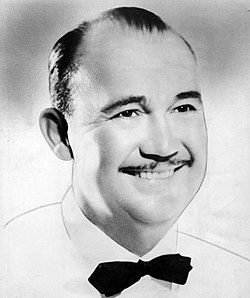
In the early 1920s, jazz was often viewed by the white mainstream as crude entertainment. Paul Whiteman, a classically trained violinist, sought to change this perception by introducing "symphonic jazz." His approach integrated the richness of a full orchestra with jazz rhythms, creating a more restrained and stylized sound that appealed to a broader audience.
A landmark moment occurred in 1924 at Aeolian Hall, where Whiteman performed George Gershwin's Rhapsody in Blue. This event is widely cited as the moment jazz was recognized as a legitimate art form. While Whiteman's title as the "King of Jazz" remains controversial due to the African-American origins of the genre, his influence on the formalization of jazz was undeniable.
From Improvisation to Arrangement
Unlike New Orleans jazz, which relied on spontaneous reinterpretation and collective improvisation, orchestral jazz utilized head arrangements—pieces composed and scored before the performance. This structural sophistication allowed for a richer, more controlled sound that was highly conducive to the growing dance craze of the era.
The Architects of the Big Band Sound
While Whiteman provided the symphonic framework, Fletcher Henderson and Don Redman provided the jazz soul. Henderson, a pianist, and Redman, an arranger, moved the genre away from polyphony toward homophony (a primary melody supported by chords), making the music more accessible to the general public.
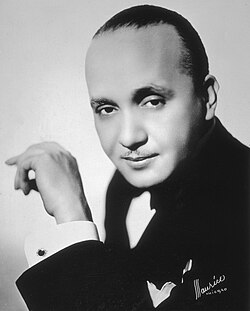
Don Redman is credited with establishing the foundational structure of the modern big band. He divided the ensemble into four interactive sections: woodwinds (saxophones and clarinets), trumpets, trombones, and the rhythm section. This organizational model remains the standard for big bands today.
Unlike Whiteman, who leaned toward popular music, Henderson and Redman maintained a balance between arranged passages and the virtuosity of solo improvisation. Henderson's band served as a training ground for legendary soloists, including Louis Armstrong, Coleman Hawkins, and Lester Young.
The Pinnacle: Duke Ellington and Count Basie
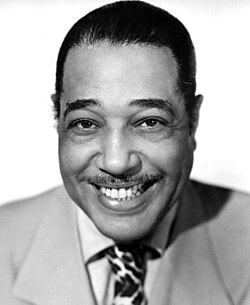
The evolution of orchestral jazz reached its zenith with Duke Ellington. Ellington elevated the genre by writing complex, thoughtful compositions tailored to the specific talents of his band members. His nearly thirty-year collaboration with Billy Strayhorn helped define the golden era of the Jazz Age and the swing era.
Simultaneously, the Count Basie Orchestra emerged from Kansas City, bringing a distinct approach to the rhythm section. Basie's ensemble redefined timekeeping; drummer Jo Jones shifted the beat from the bass drum to the hi-hat cymbal, while Walter Page pioneered the walking bass line and Freddie Green developed a muted, four-to-the-bar guitar style.
Musical Style and Instrumentation
The transition to orchestral jazz involved a significant expansion of the toolkit. While early bands relied on tubas and banjos, the swing era saw the adoption of the string bass and guitar. The "riff approach" became central, utilizing call-and-response patterns where different orchestral sections would harmonize and respond to one another, creating a cycle of harmonic tension and release.
| Feature | New Orleans/Chicago Jazz | Orchestral/Big Band Jazz |
|---|---|---|
| Structure | Collective Improvisation | Pre-arranged Compositions |
| Texture | Polyphonic | Homophonic |
| Rhythm | Two-beat groove | Four-beat walking bass |
| Instrumentation | Small ensembles, Tuba, Banjo | Large sections, String Bass, Guitar |
Frequently Asked Questions
What is the difference between symphonic jazz and New Orleans jazz?
Symphonic jazz is more structured and formal, utilizing pre-arranged scores and larger ensembles, whereas New Orleans jazz is characterized by smaller groups and collective, spontaneous improvisation.
Who is credited with creating the modern big band structure?
Don Redman is credited with dividing the band into four distinct sections: woodwinds, trumpets, trombones, and the rhythm section.
How did technology influence the growth of orchestral jazz?
The mass production of phonograph records and the rise of broadcast radio allowed audiences to hear pre-arranged music at home, creating a commercial demand for the consistent sound of orchestral jazz.
What is a "walking bass line"?
A walking bass line is a four-beats-per-bar rhythmic pattern developed by innovators like Walter Page and Jimmy Blanton, which replaced the earlier two-beat groove and became a standard in swing music.
Why was Duke Ellington significant to the genre?
Ellington is regarded as the most prolific composer of jazz, known for elevating orchestral jazz to a high art form by writing sophisticated pieces that highlighted the individual strengths of his musicians.