Opera: A Comprehensive History of Western Musical Theatre
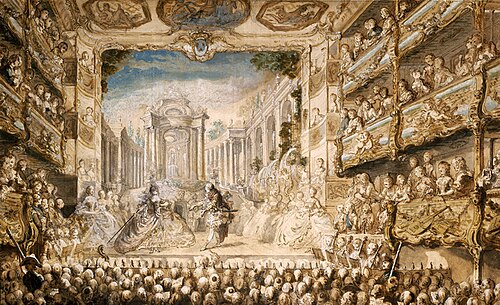
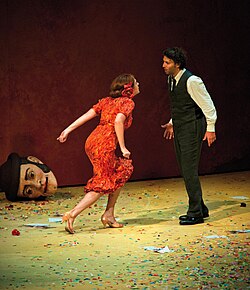
Opera is a sophisticated form of Western theatre where music serves as the fundamental component and dramatic roles are performed by singers. The word "opera" literally translates from Italian as "work," reflecting the collaborative nature of the art form. Typically, an opera is the result of a partnership between a composer, who writes the music, and a librettist, who writes the text (the libretto). It is a multidisciplinary spectacle that integrates acting, scenery, costume, and occasionally dance or ballet.
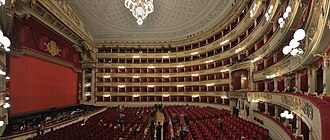
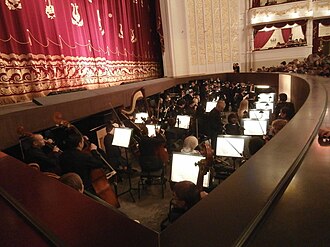
Performances generally take place in dedicated opera houses, accompanied by an orchestra or a smaller musical ensemble. Since the early 19th century, these ensembles have been led by a conductor. While closely related to musical theatre, opera is considered a distinct art form due to its musical structure and vocal demands.
Key Facts
- Origins: Emerged in Italy at the end of the 16th century.
- Core Components: A collaboration between a composer (music) and a librettist (text).
- Vocal Styles: Traditionally uses recitative (speech-like singing) and arias (self-contained melodic pieces).
- Global Reach: Spread from Italy to Germany, France, England, and eventually worldwide, including Russia, Czechia, and Asia.
- Modern Trends: Increasing efforts by major houses like the Met and Paris Opera to attract younger audiences.
The Evolution of Operatic Form
Originally, opera was conceived as an entirely sung piece, distinguishing it from plays that merely included songs. Over time, the genre expanded to include forms with spoken dialogue, such as the German Singspiel and the French Opéra comique. By the 19th century, the "number opera"—characterized by distinct, separate musical pieces—gave way to the continuous music drama.
The Role of the Orchestra
The orchestra's role has evolved significantly. Before the 1700s, Italian operas utilized small string orchestras that rarely accompanied singers during solos. Instead, solos were supported by a basso continuo group, consisting of a harpsichord, plucked instruments like the lute, and a bass instrument. The orchestra typically played during entrances, exits, or as a ritornello (a recurring instrumental passage) to mark the end of a solo.
By 1720, most arias were accompanied by a full orchestra. Composers such as Leonardo Vinci and Giambattista Pergolesi expanded the ensemble by adding wind instruments and introducing instrumental solos to highlight specific arias.
A Chronological History of Opera
Origins and the Baroque Era
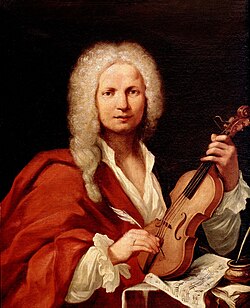
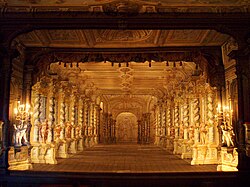
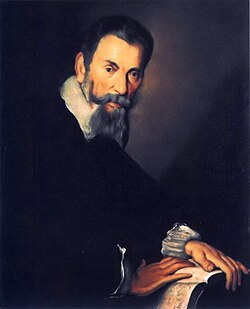
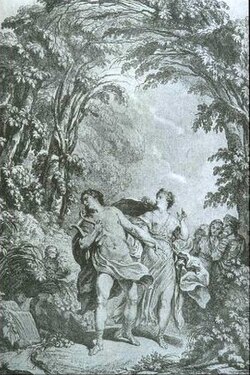
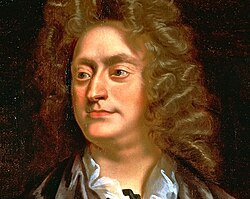
Opera began in Florence, Italy, around 1598 with Jacopo Peri's Dafne. It was further developed by Claudio Monteverdi, whose work L'Orfeo became a cornerstone of the genre. During the 17th century, national traditions took root through the works of Heinrich Schütz in Germany, Jean-Baptiste Lully in France, and Henry Purcell in England.
In the 18th century, opera seria (serious opera) became the most prestigious Italian form. However, its perceived artificiality led Christoph Willibald Gluck to introduce "reform" operas in the 1760s. This era culminated in the genius of Wolfgang Amadeus Mozart, who mastered both opera seria and Italian comic operas, such as The Marriage of Figaro and Don Giovanni, as well as German landmarks like The Magic Flute.
The 19th Century: Romanticism and Nationalism
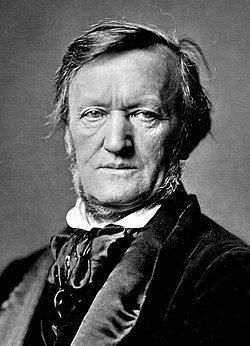
The 19th century saw a surge in nationalistic operatic movements. In Germany, Carl Maria von Weber established German Romantic opera with Der Freischütz, creating supernatural atmospheres that countered the dominance of Italian bel canto (a style emphasizing beautiful, fluid singing). This path led to Richard Wagner, the most significant figure of the era, who revolutionized the form with his continuous music dramas.
Simultaneously, other nations developed their own identities:
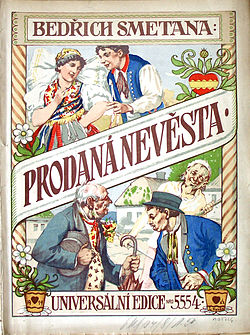
- Czechia: Bedřich Smetana laid the foundation with eight operas, including the globally popular The Bartered Bride. Later, Leoš Janáček gained fame for synthesizing folk music into modern works like Jenůfa.
- Spain: Developed the zarzuela, a distinctive native form that flourished in the 17th-18th centuries and again after 1850.
- Russia and Eastern Europe: Semen Hulak-Artemovsky developed Ukrainian opera, while Zacharia Paliashvili fused Georgian folk songs with Romantic themes.
Global Expansion and the Soviet Era
Opera eventually reached the Ottoman Empire, with Tigran Chukhajian composing Arshak II in 1868. In the early Soviet Union, new national operas emerged, such as Uzeyir Hajibeyov's Koroğlu (Azerbaijan) and the Kyrgyz epic-based opera Ai-Churek, which premiered at the Bolshoi Theatre in 1939.
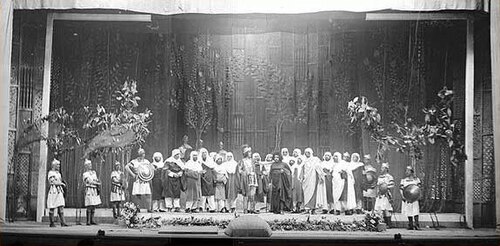
In Iran, the construction of Roudaki Hall in 1967 facilitated the staging of diverse works, leading to contemporary pieces like Loris Tjeknavorian's Rostam and Sohrab.
Modern Trends and Technology
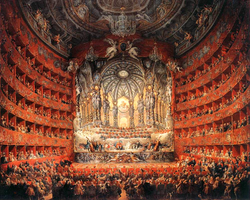
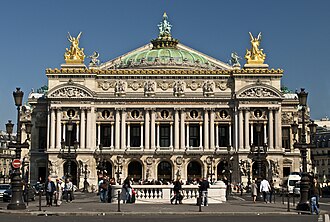
In the late 20th and early 21st centuries, opera companies have struggled with an aging demographic. Data from the Metropolitan Opera showed an average audience age of 60 in 2011, which dropped slightly to 58 by 2018. In contrast, the Paris Opera reported a younger average age of 48. Critics suggest that moving away from a strict reliance on standard repertory is key to attracting younger audiences.
Technology has also transformed how opera is consumed. A major milestone occurred in 1951 with the first American opera composed specifically for television, Gian Carlo Menotti's Amahl and the Night Visitors. In 1992, Italy broadcast Tosca live via satellite to 105 countries, filming each act in its original Roman setting at the actual times of day specified in the plot.
| Region/Tradition | Key Figures | Notable Works/Characteristics |
|---|---|---|
| Italy (Early/Baroque) | Monteverdi, Peri | L'Orfeo; Birth of the genre |
| Italy (Classical/Romantic) | Mozart, Verdi | Don Giovanni; Bel canto style |
| Germany | Wagner, Weber | Der Freischütz; Continuous music drama |
| France | Lully | Opéra comique; National French tradition |
| Czechia | Smetana, Janáček | The Bartered Bride; Folk synthesis |
| Spain | Various | Zarzuela |
Frequently Asked Questions

What is the difference between an aria and a recitative?
A recitative is a speech-inflected style of singing used to advance the plot and dialogue, while an aria is a self-contained, melodic piece where a character expresses their emotions.
Who is a librettist?
A librettist is the writer who creates the text (the libretto) for an opera, working in collaboration with the composer who writes the music.
What is "bel canto"?
Bel canto, meaning "beautiful singing," is an Italian operatic style that emphasizes vocal agility, beauty of tone, and fluid phrasing.
How has the role of the orchestra changed over time?
Initially, the orchestra played primarily during transitions and was not used for solos, which were accompanied by a basso continuo. By the early 18th century, the orchestra began accompanying arias and eventually grew in size and complexity to become a central part of the drama.
Is opera the same as musical theatre?
No. While both involve music and drama, they are considered distinct art forms due to differences in musical structure, vocal techniques, and historical traditions.