Olusegun Obasanjo: The Legacy of a Nigerian Statesman and General
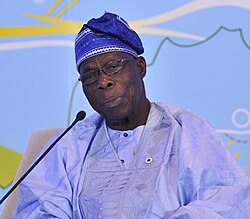
Olusegun Obasanjo is a towering figure in African history, having navigated the complex transition of Nigeria from military rule to a stable democracy. A former army general, agriculturalist, and politician, Obasanjo holds the rare distinction of serving as Nigeria's leader twice: first as the Military Head of State from 1976 to 1979, and later as the democratically elected President from 1999 to 2007.
Known by nicknames such as Baba Africa and Ebora Owu, his career spans the most critical junctures of Nigeria's post-colonial era, from the brutality of the Nigerian Civil War to the diplomatic challenges of the 21st century.
Key Facts
![In 1986, Obasanjo met with Nelson Mandela. He related that it "was an encounter never to be forgotten. I saw in [Mandela] a South African indeed an African and a world leader of no mean order. He towered physically and metaphorically above all the leaders we met inside South Africa."[163]](/images/b4/11/b4117d6de4cc2ad991b8ee197d8092ab48a83fdc8d53467b9ee6f21b421ea3e4.jpg)
- Dual Leadership: Served as Military Head of State (1976–1979) and civilian President (1999–2007).
- Military Rank: Attained the rank of General in the Nigerian Army.
- Academic Achievement: Holds a PhD in Christian Theology from the National Open University of Nigeria.
- Diplomatic Impact: Played a pivotal role in the formation of the African Union.
- Economic Milestone: Credited with the liquidation of Nigeria's external debt during his presidency.
Military Ascent and the Nigerian Civil War
Obasanjo's early career was defined by rigorous training and high-stakes conflict. After attending the Mons Officer Cadet School, he was deployed during the Congo Crisis (1960–1961), where he experienced the volatility of post-colonial African borders.
His most significant military contribution came during the Nigerian Civil War. As the Commander of the 3rd Division, Obasanjo played a critical role in the operations that led to the end of the conflict with Biafra in January 1970.
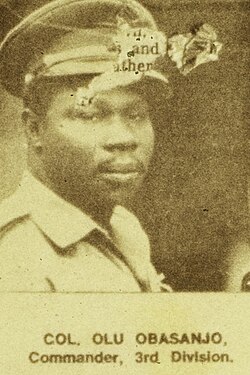
Following the war, Obasanjo continued to rise through the ranks, eventually serving as the 3rd Chief of Staff of the Supreme Headquarters under Head of State Murtala Muhammed. Following Muhammed's assassination on February 13, 1976, Obasanjo assumed the role of Military Head of State.
Military Head of State (1976–1979)
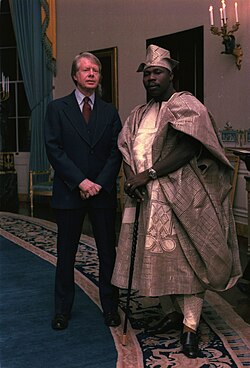
During his tenure as military leader, Obasanjo focused on domestic stability and economic policy. He also served as the Federal Minister of Defence during this period. One of his most enduring legacies from this era was his commitment to a transfer of power, successfully handing over the government to a civilian administration led by Shehu Shagari in October 1979.
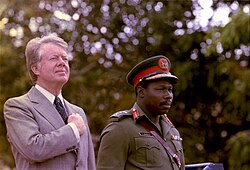
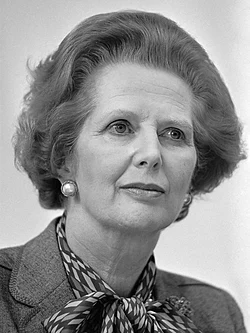
His foreign policy during the late 1970s was marked by strong ties with the United States, though relations with the United Kingdom cooled following the 1979 election of Margaret Thatcher, whom Obasanjo viewed as too sympathetic to white minority governments in southern Africa.
The Path to the Presidency
Between 1979 and 1999, Obasanjo remained an influential figure in international diplomacy and domestic politics. He became a vocal opponent of General Sani Abacha's regime, which led to his imprisonment between 1995 and 1998. This period of persecution only strengthened his resolve to return Nigeria to democratic rule.
In 1998, he joined the Peoples Democratic Party (PDP) and campaigned for the presidency, winning the election and taking office on May 29, 1999.
The Civilian Presidency (1999–2007)
Obasanjo's presidency was characterized by an effort to consolidate the post-colonial state. He served two terms, with Atiku Abubakar as his Vice President. During this time, he also held the portfolio of Federal Minister of Petroleum Resources.
His administration focused on confronting ethnic and religious tensions while implementing aggressive economic reforms. Historians note that he successfully kept the military under civilian control and significantly reduced the nation's external debt.
Global Diplomacy and Leadership
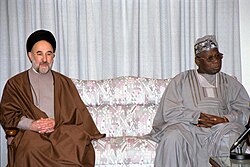
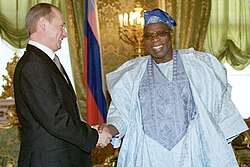
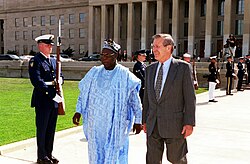
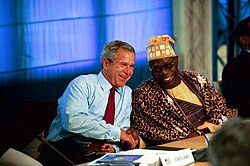
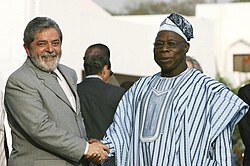
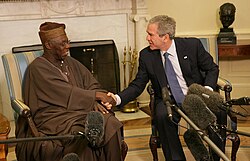
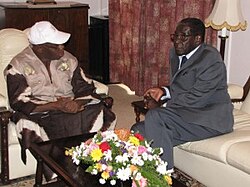
On the world stage, Obasanjo positioned Nigeria as a leader in African affairs. He maintained high-level relationships with global leaders, from Vladimir Putin and George W. Bush to Lula da Silva. His commitment to Pan-Africanism was evident in his work helping to establish the African Union.
Post-Presidency and Later Life
After leaving office in 2007, Obasanjo remained active in diplomacy and literature. He has authored numerous books, including My Watch and Democracy Works, reflecting on leadership and African development. In 2018, he launched the Coalition for Nigeria Movement (CNM), later adopting the African Democratic Congress (ADC) as a political party.
| Role | Period | Key Focus/Achievement |
|---|---|---|
| Commander, 3rd Division | 1967–1970 | Nigerian Civil War leadership |
| Military Head of State | 1976–1979 | Transition to civilian rule |
| President of Nigeria | 1999–2007 | Debt liquidation and AU formation |
| Diplomat/Author | 2007–Present | Pan-Africanism and political mentorship |
Frequently Asked Questions
How many times was Olusegun Obasanjo the leader of Nigeria?
He served as the leader of Nigeria twice: first as the Military Head of State from 1976 to 1979, and later as the democratically elected President from 1999 to 2007.
What was Obasanjo's role in the Nigerian Civil War?
He served as the Commander of the 3rd Division, playing a pivotal role in the military operations that brought the war with Biafra to an end in 1970.
What are some of the major achievements of his presidency?
His major achievements include the liquidation of Nigeria's external debt, the containment of domestic turmoil, maintaining military subordination to civilian rule, and helping to form the African Union.
What is Obasanjo's educational background?
Obasanjo attended the Mons Officer Cadet School and the Royal College of Defence Studies. Later in life, he earned a PhD in Christian Theology from the National Open University of Nigeria.
Which political party was he associated with?
He was a prominent member of the Peoples Democratic Party (PDP) from 1998 to 2015 and rejoined the party in 2018. He also launched the Coalition for Nigeria Movement (CNM).