Old Providence Island: A Caribbean Gem of History and Biodiversity
Located midway between Costa Rica and Jamaica, Old Providence Island (Isla de Providencia) is a mountainous sanctuary in the Caribbean Sea. Part of the Colombian department of San Andrés, Providencia and Santa Catalina, this island offers a unique blend of colonial history, distinct cultural identity, and world-class marine biodiversity.
The island is characterized by its rugged terrain, reaching a maximum elevation of 360 metres (1,180 ft). It is closely linked to the smaller Santa Catalina Island to the northwest via a 100-metre (330 ft) footbridge. Together, these islands form the municipality of Santa Isabel, providing a secluded escape known for its pristine waters and rich heritage.
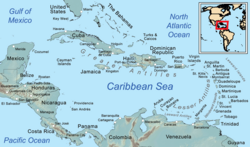
Key Facts
- Location: Part of the Archipelago of San Andrés, Providencia and Santa Catalina, Colombia.
- Total Area: 17 square kilometres (6.6 sq mi) for Providencia; 22 square kilometres (8.5 sq mi) combined with Santa Catalina.
- Languages: San Andrés–Providencia Creole, Spanish, and Provisle (an indigenous sign language).
- Biodiversity: Home to the Seaflower Biosphere Reserve, covering 10% of the Caribbean Sea.
- Climate: Tropical, with an annual average precipitation of 1,773.3 mm.
A Turbulent Colonial History
The history of Old Providence is marked by ambition and conflict. In 1629, the Providence Island Company established an English Puritan colony here, intending it to be a "Godly" and profitable base that would surpass the Massachusetts Bay Colony. However, the venture was plagued by poor planning, internal leadership strife, and economic instability.
The colony is historically significant for its role in the early English slave trade, marking a transition toward the use of Africans as lifelong slaves rather than indentured servants. Life for the inhabitants was arduous; accounts from enslaved people describe a diet heavily reliant on turtles, which led some English settlers to complain that the island was "no way to live." Tobacco was the primary crop grown by African and Native American slaves.
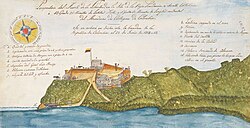
The Era of Privateering
To combat economic failure, the colony turned to privateering—state-sanctioned piracy. Under the governorship of Nathaniel Butler, the island became a hub for privateers hoping to revitalize the economy. This shift increased tensions with Spain, leading to a heightened focus on defense. By 1638, the colony had established approximately fourteen forts to guard the harbor and bay.
The island's reputation for piracy was cemented by the famous privateer Henry Morgan, who used Providencia as a base for his raids on Panama. Local legends persist that much of Morgan's treasure remains hidden within the island's landscape.
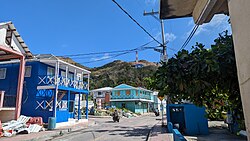
Culture and People
Despite being a Colombian territory, the inhabitants of Providencia maintain a strong Caribbean identity. The population primarily speaks San Andrés–Providencia Creole, an English-based creole similar to Jamaican Patwa and Belize Kriol. The community also utilizes Provisle, a local sign language, and has a notable Rastafari presence.
The island has faced modern challenges, including the scarcity of employment opportunities. This has occasionally led young men to be recruited by drug traffickers due to their expert seafaring skills, resulting in a significant number of residents being imprisoned abroad or disappearing.
Natural Wonders and Environment
Providencia is an ecological treasure. The Old Providence McBean Lagoon National Park covers 995 hectares and protects a diverse array of coral reefs, mangroves, lagoons, and tropical dry forests. One of the island's most fascinating natural events is the annual breeding migration of black land crabs every April and May, during which they descend from the hills to the sea to lay their eggs.
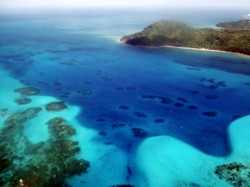
The island serves as the center of the Seaflower Biosphere Reserve, a UNESCO-protected area that encompasses some of the world's greatest marine biodiversity. This reserve includes the surrounding archipelago and remote banks such as Roncador and Serrana. Because the waters are warm, clear, and part of the world's third-largest barrier reef, the area is a premier destination for scuba diving.
Island Overview and Climate
| Feature | Detail |
|---|---|
| Country | Colombia |
| Population (2007) | 5,011 |
| Highest Point | 360 m (1,180 ft) |
| Primary Airport | El Embrujo Airport |
| Annual Rainfall | 1,773.3 mm (69.81 in) |
| Major Natural Event | Hurricane Iota (Nov 2020) |
Frequently Asked Questions
What languages are spoken on Old Providence Island?
The residents primarily speak San Andrés–Providencia Creole and Spanish. Additionally, they use Provisle, which is an indigenous sign language.
What is the Seaflower Biosphere Reserve?
It is a UNESCO Marine Protected Area that forms 10% of the entire Caribbean Sea. It is renowned for its immense marine biodiversity and includes the Archipelago of San Andrés, Providencia and Santa Catalina.
Who was Henry Morgan and what is his connection to the island?
Henry Morgan was a famous privateer who used Providencia as a strategic base for raiding Panama. Many locations on the island are named after him, and rumors of his hidden treasure persist.
How did Hurricane Iota affect the island?
In November 2020, Hurricane Iota struck the island directly, destroying an estimated 98% of all infrastructure, making it one of the most devastating cyclones in Colombian history.
What makes the local land crabs unique?
The island is home to a population of black land crabs that perform a massive breeding migration every April or May, moving from the hills down to the sea to lay their eggs.