North Korean Citizenship and Nationality Law
Citizenship in the Democratic People's Republic of Korea (DPRK) is the legal status granted to individuals recognized as North Korean by the state. While this status serves as a foundation for a shared national identity, it can also be a point of contention or conflict depending on the individual's relationship with the government.
The Legal Framework of Nationality
The primary legal instrument governing this status is the Nationality Law of the DPRK. Although the country was founded on September 9, 1948, it did not adopt a formal nationality law until 1963. To keep pace with changing needs, the government revised this legislation in 1995 and again in 1999.
Despite consisting of only 16 articles, the law is comprehensive. It mirrors many features found in modern citizenship legislation worldwide, providing a structured approach to how the state manages its population.
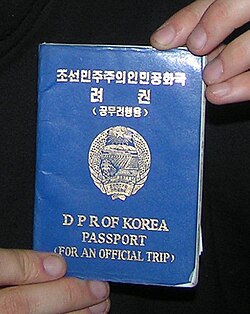
Scope and Application
The nationality law is designed to be the definitive authority on three primary areas:
- Qualifications: The specific criteria an individual must meet to be recognized as a citizen.
- Rights: The legal entitlements granted to those holding DPRK citizenship.
- Protections: The safeguards the state provides to its citizens.
Furthermore, the law outlines the legal processes for both gaining and losing citizenship, ensuring the state maintains control over who is officially recognized as a national.
Key Facts
- The DPRK was founded on September 9, 1948.
- The first Nationality Law was adopted in 1963.
- The law underwent significant revisions in 1995 and 1999.
- The current legal framework consists of 16 articles.
- The law governs the acquisition, loss, and rights associated with citizenship.
Summary of DPRK Nationality Law
| Feature | Details |
|---|---|
| Original Adoption Year | 1963 |
| Revision Years | 1995, 1999 |
| Total Articles | 16 |
| Primary Functions | Determines citizenship qualifications, rights, and protections |
Frequently Asked Questions
When was the North Korean nationality law first established?
The Democratic People's Republic of Korea adopted its first nationality law in 1963, which was 15 years after the country's founding in 1948.
How many times has the nationality law been revised?
The law has been revised twice, specifically in 1995 and 1999.
What does the nationality law cover?
The law covers the basic features of citizenship, including the qualifications required to be a citizen, the rights afforded to citizens, and the protections provided by the state.
Is the DPRK nationality law extensive in length?
No, the law is relatively concise, containing only 16 articles, though it covers the essential aspects of modern citizenship legislation.
How is citizenship viewed within North Korea?
Citizenship is viewed as a source of shared national identity, although it can also be a subject of conflict or contention.