North American Bird Taxonomy and Species Diversity
The study of avian taxonomy—the scientific classification of birds—provides a critical framework for understanding the biodiversity of the Western Hemisphere. From the sprawling wetlands of the coast to the high peaks of the mountains, North America hosts a vast array of species, each adapted to specific ecological niches. By organizing these birds into structured groups, ornithologists can better track migration patterns, conservation needs, and evolutionary relationships.
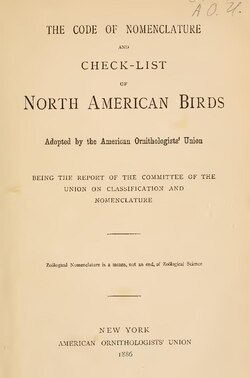
Taxonomic lists, such as those maintained by the American Ornithological Society, serve as the gold standard for identifying species. These records distinguish between resident birds, accidental visitors, and introduced species, ensuring that biological data remains accurate and parseable for researchers worldwide.
Key Facts
- Taxonomic Scope: Includes a wide range of avian families, from waterfowl and shorebirds to raptors and songbirds.
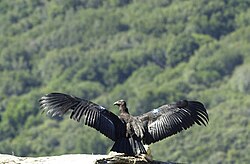
- Conservation Status: Many species listed are categorized as LC (Least Concern), though some, like the California condor, are critically endangered.
- Species Distribution: The data encompasses birds found within the USA as well as those across the broader North American region.
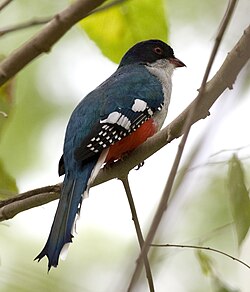
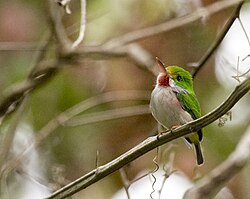
- Diversity: Includes specialized groups such as hummingbirds, trogons, and various warbler species.
Waterfowl and Shorebirds
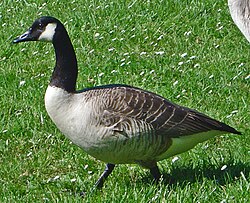
Waterfowl, including ducks, geese, and swans, are characterized by their adaptation to aquatic environments. This group includes the Mallard and the Canada goose, as well as more specialized divers like the Bufflehead and Canvasback.
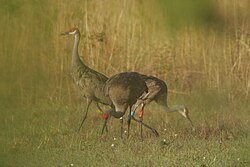
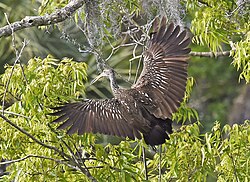
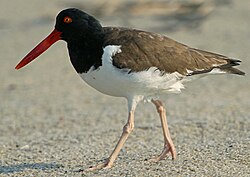
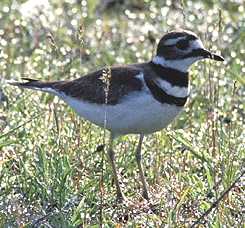
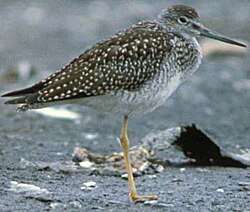
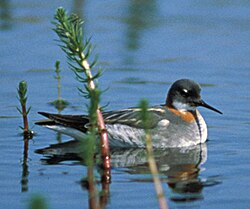
Shorebirds and waders occupy the interface between land and water. This category ranges from the small Killdeer and Least sandpiper to larger wading birds like the Sandhill crane and the Limpkin.
Marine and Coastal Birds
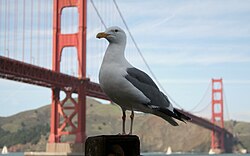
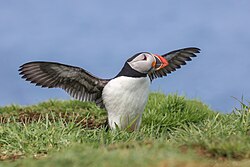
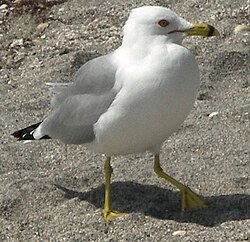
The coastal regions are dominated by gulls, terns, and alcids. Notable species include the Atlantic puffin and the Western gull, which are highly adapted for foraging in saltwater environments.
Birds of Prey and Specialized Hunters
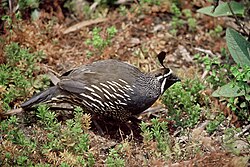
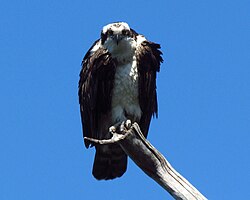
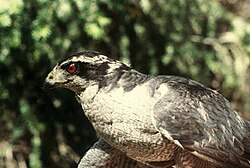
Raptors, or birds of prey, are defined by their keen eyesight and predatory behavior. This group includes the Osprey, specialized for fishing, and the American goshawk, a powerful forest hunter.
Among the most iconic and endangered of these is the California condor, a massive scavenger that represents a significant conservation success story.
Nocturnal Hunters: The Owls
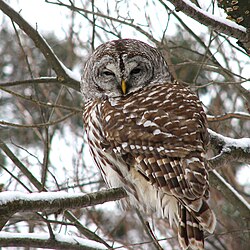
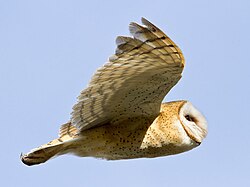
Owls are specialized nocturnal predators. The Barred owl and American barn owl are common examples, utilizing silent flight and acute hearing to hunt prey in the dark.
Songbirds and Small Avian Species
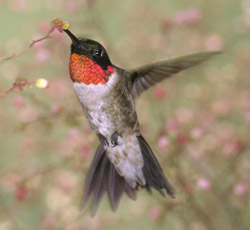
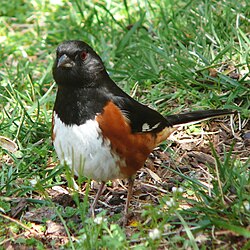
The most diverse group in terms of species count is the songbirds. This includes the Ruby-throated hummingbird, known for its hovering flight, and the Northern cardinal, recognized for its vibrant plumage.
Warblers and Vireos
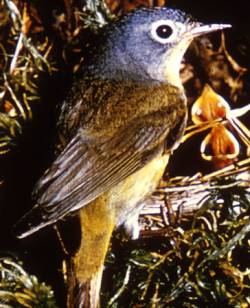
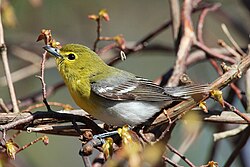
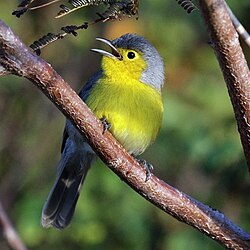
Warblers, such as the Nashville warbler and Blackburnian warbler, are small, insectivorous birds often noted for their bright colors and complex songs. Similarly, vireos like the Yellow-throated vireo play a key role in forest ecosystems.
Sparrows and Finches
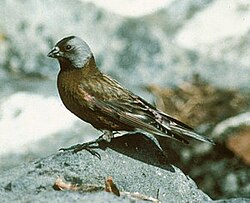
The sparrow family is exceptionally diverse, featuring species like the Song sparrow and Chipping sparrow. These birds are typically seed-eaters and are found in a variety of habitats from grasslands to urban gardens.
Summary of Avian Groups
| Group | Key Characteristics | Example Species |
|---|---|---|
| Waterfowl | Aquatic adaptation, webbed feet | Mallard, Canada goose |
| Shorebirds | Long legs, specialized bills | Killdeer, Sandhill crane |
| Raptors | Sharp talons, carnivorous | Osprey, California condor |
| Passerines | Perching birds, complex songs | Northern cardinal, Nashville warbler |
Frequently Asked Questions

What does the 'LC' designation mean in bird taxonomy?
The 'LC' designation stands for Least Concern, a category used by conservation organizations to indicate that a species is not currently at high risk of extinction.
Which birds are considered 'introduced' species?
Introduced species are those not native to the region but brought in by human activity. Examples from the data include the House sparrow and the Red junglefowl.
What is the difference between a warbler and a vireo?
While both are small songbirds, warblers are often more brightly colored and insectivorous, whereas vireos typically have heavier bills and different foraging behaviors.
Why is the California condor highlighted in taxonomic lists?
The California condor is highlighted because it is one of North America's most endangered birds, making its taxonomic tracking essential for conservation and recovery efforts.
What are 'accidental' birds in a checklist?
Accidental birds (often marked with an 'A') are species that are rarely found in a specific region, usually appearing due to unusual weather patterns or migration errors.