New Orleans Reconstruction: Rebuilding After Hurricane Katrina
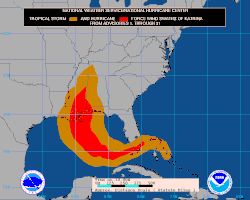
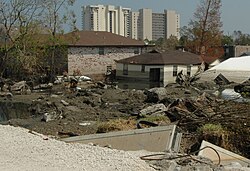
The reconstruction of New Orleans represents one of the most complex urban recovery efforts in United States history. Following the landfall of Hurricane Katrina on August 29, 2005, the city suffered a catastrophic failure of its flood protection systems, leading to widespread inundation and a humanitarian crisis of unprecedented scale.
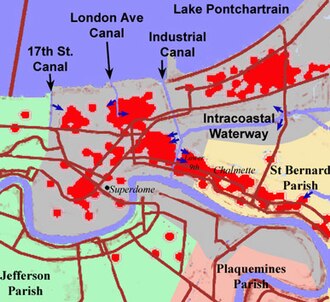
The disaster was not merely a result of the storm's intensity but a failure of the Lake Pontchartrain and Vicinity Hurricane Protection Project, a federally built system of levees and floodwalls. When these structures breached, tens of billions of gallons of water surged into the city, flooding approximately 80% of the land area. In many neighborhoods, the water remained for days or even weeks, leaving the city's infrastructure in ruins.
Key Facts
- Flood Extent: Approximately 80% of New Orleans was flooded.
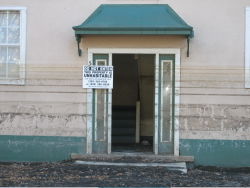
- Housing Loss: Over 204,000 homes were severely damaged or destroyed.
- Displacement: More than 800,000 citizens were displaced, the largest such event in the U.S. since the 1930s Dust Bowl.
- Vehicle Loss: An estimated 200,000 vehicles were totaled.
- Infrastructure Failure: The levee system was designed only for hurricanes up to Category 3 intensity.
The Mechanics of Failure
Before the storm, experts had warned of the city's vulnerability. Reports as early as 2001 predicted that a severe hurricane could strand hundreds of thousands of people and leave the city submerged under 20 feet of water. These fears were realized when the floodwalls—concrete barriers atop earthen levees—failed at multiple critical points.
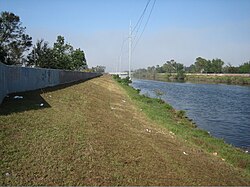
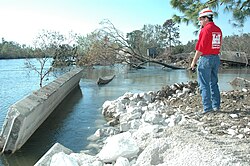
The most significant breaches occurred at the 17th Street Canal and the London Avenue Canal, as well as the Inner Harbor Navigation Canal (Industrial Canal) and the Gulf Intracoastal Waterway. These failures allowed lake water to pour into residential areas, turning streets into rivers.
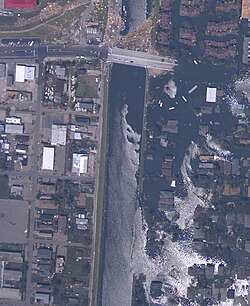
Emergency Response and Unwatering
The immediate priority following the breaches was to stop the inflow of water and begin the process of "unwatering" the city. This was managed through a series of coordinated efforts, including Task Force Unwatering and Task Force Guardian.
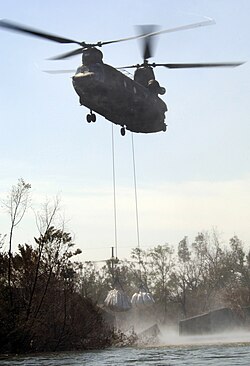
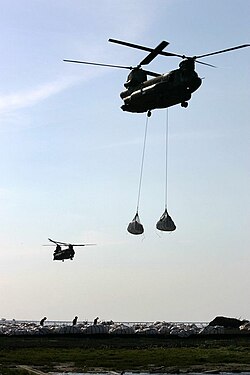
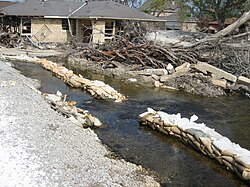
Repairing the breaches required massive logistical operations. The U.S. Army Corps of Engineers and the National Guard utilized heavy machinery and aircraft to seal the gaps. For example, Texas Army National Guard Blackhawks were used to deposit 6,000-pound bags of sand and gravel to stabilize the 17th Street Canal breach.
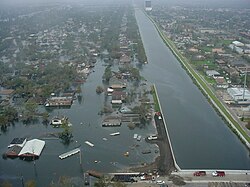
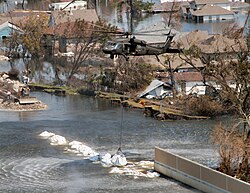
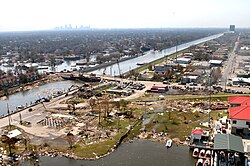
Once the breaches were temporarily patched, the focus shifted to pumping. By September 15, 2005, efforts centered on Pump Station 4 in Orleans Parish, which successfully moved 7.5 billion gallons of water out of the city in a single day.
The Long Road to Recovery
While the water eventually receded, the physical and social recovery was slow. Infrastructure repair began with critical hubs; the Louis Armstrong New Orleans International Airport reopened for cargo on September 12, 2005, with passenger service following shortly after.
Residential rebuilding was managed through the Road Home program. This federally funded, state-managed initiative became a point of significant controversy. Critics argued that because grants were based on pre-storm home values rather than the actual cost of reconstruction, the program created disparities between wealthy and poor homeowners.
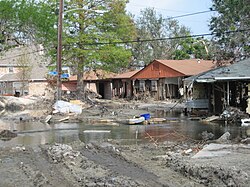
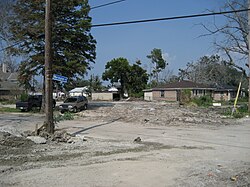
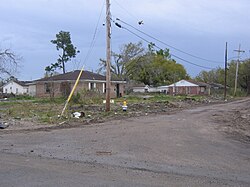
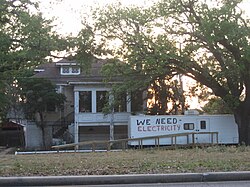
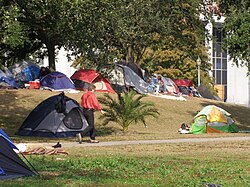
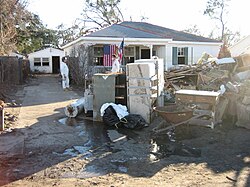
The human toll remained evident for years. Many residents lived in trailers or tent encampments, such as the Duncan Plaza site, while struggling with a lack of basic utilities like electricity.
Future Protections and Urban Planning
To prevent a repeat of the 2005 disaster, New Orleans invested in permanent flood protection infrastructure, including a $14.5 billion upgrade to the levee system. A central component of the city's long-term strategy is the Greater New Orleans Urban Water Plan, which serves as the primary guide for the City Council's Capital Improvement Plan.
| Category | Detail/Statistic |
|---|---|
| City Area Flooded | Approximately 80% |
| Homes Damaged/Destroyed | 204,000+ |
| Population Displaced | 800,000+ |
| Major Breach Sites | 17th St Canal, London Ave Canal, Industrial Canal |
| Key Recovery Program | Road Home (Federally funded) |
| Long-term Strategy | Greater New Orleans Urban Water Plan |
The city's cultural rebirth was also marked by the return of sports and music, exemplified by the New Orleans Saints' return to the city and the creation of the Musicians' Village.

Frequently Asked Questions
Why did the levees fail during Hurricane Katrina?
The levees and floodwalls failed because the system was only designed to withstand hurricanes up to Category 3 intensity. Structural failures occurred at several points, including the 17th Street and London Avenue canals, allowing massive volumes of water to enter the city.
What was the Road Home program?
The Road Home was a federally funded and state-managed program designed to provide grants for residential reconstruction. It was heavily criticized for using pre-storm home values to determine aid, which critics say disadvantaged lower-income residents.
How was the water removed from the city?
Water was removed through a combination of temporary levee breach repairs (led by Task Force Guardian) and the operation of massive pumping stations (led by Task Force Unwatering). By mid-September 2005, billions of gallons were being pumped daily.
What is the Greater New Orleans Urban Water Plan?
It is a comprehensive long-term strategy for water management and flood protection that guides the New Orleans City Council's Capital Improvement Plan to make the city more resilient to future storms.