Hurricane Katrina: The Devastation and Aftermath of a Category 5 Storm
Hurricane Katrina remains one of the most catastrophic natural disasters in United States history. A powerhouse of the 2005 Atlantic hurricane season, this storm evolved from a tropical system into a Category 5 major hurricane, bringing unprecedented destruction to the Gulf Coast. Beyond the wind and rain, the event became a symbol of systemic failure and human resilience, forever altering the landscape of the southeastern United States.
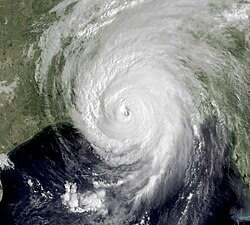
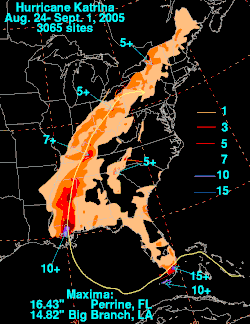
The storm's scale was immense, making it one of the largest-diameter hurricanes to ever strike the US Gulf Coast. While diameter does not always equate to strength—which is measured by sustained wind speeds—a larger storm increases the number of people exposed to its hazards.
![Hurricane Katrina was one of the largest-diameter US Gulf Coast hurricanes.[48] Though large size does not imply strength—which is based on sustained wind measurements—it can mean that more people are exposed to its hazards.[48]](/images/3d/3e/3d3e0635b87381fd832eea8e950be2a24d38e2dfdce5e024a1f26060f6297545.webp)
Key Facts
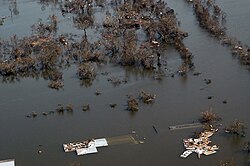
- Peak Intensity: Category 5 with maximum sustained winds of 175 mph (280 km/h).
- Lowest Pressure: 902 mbar (hPa).
- Human Toll: Between 1,245 and 1,836 fatalities, with 652 people reported missing.
- Economic Impact: $125 billion (2005 USD), making it the costliest tropical cyclone on record when adjusted for inflation.
- Primary Areas Affected: Louisiana, Mississippi, Florida, the Bahamas, Cuba, and Eastern Canada.
Meteorological History
Hurricane Katrina formed on August 23, 2005. It rapidly intensified as it moved through the Gulf of Mexico, reaching its peak intensity on August 28. The storm's power was characterized by extreme wind speeds and a dangerously low central pressure of 902 mbar.
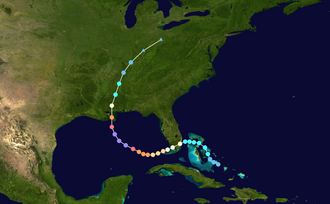
After making landfall at the Louisiana-Mississippi border, the storm began to weaken. It became extratropical on August 30 and finally dissipated on August 31, 2005.
Regional Impact and Destruction
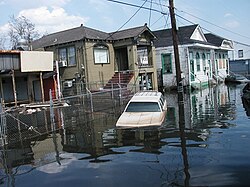
Louisiana and New Orleans
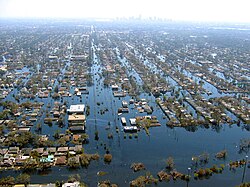
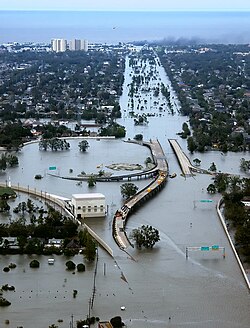
Louisiana bore the brunt of the disaster, recording between 986 and 1,577 deaths. The city of New Orleans suffered a catastrophic failure of its levee system—the embankments designed to prevent flooding from the lake and river. These breaches left vast portions of the city underwater, turning streets into canals.
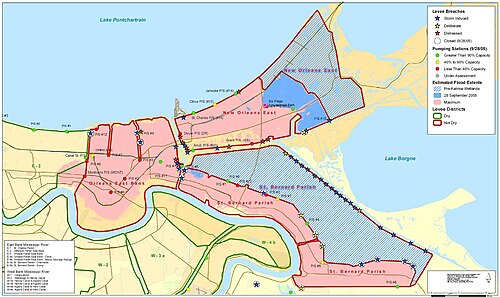
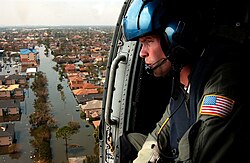
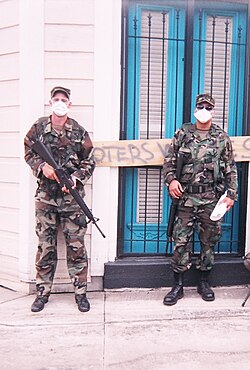
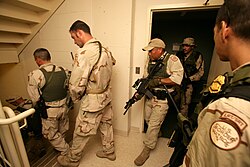
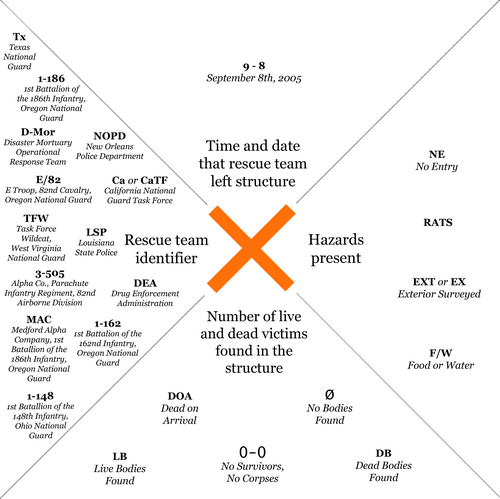
The resulting flooding was so severe that the U.S. Army and Border Patrol had to conduct room-by-room searches of hotels and neighborhoods to find survivors.
Mississippi and Alabama
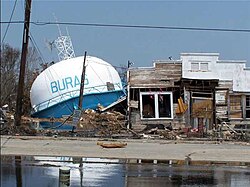
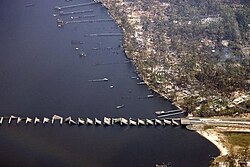
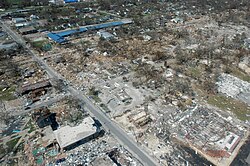
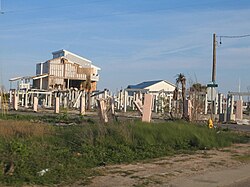
Mississippi experienced devastating storm surges that wiped out coastal areas. In Pass Christian, the Bay St. Louis Bridge on U.S. Route 90 was completely destroyed, and cities like Long Beach and Pascagoula saw massive structural damage.
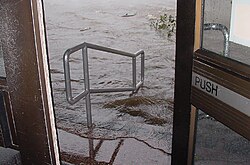
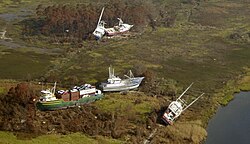
Alabama also felt the storm's power, with floodwaters reaching the steps of the federal courthouse in Mobile and grounding cargo ships in Bayou La Batre.
Florida and Other Regions
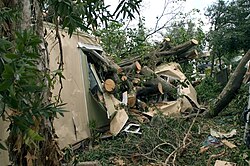
Before hitting the Gulf Coast, Katrina drenched Florida, causing significant damage to mobile homes in areas like Davie. The storm's reach extended as far as the Bahamas, Cuba, and Eastern Canada, where heavy rains washed out roads in Quebec.
Environmental and Economic Consequences
The environmental toll was severe, highlighted by massive oil spills. The most significant leak occurred at Bass Enterprises in Cox Bay, releasing approximately 3.78 million gallons of oil into the environment.
| Spill Location | Quantity (US Gallons) | Quantity (Liters) |
|---|---|---|
| Bass Enterprises (Cox Bay) | 3,780,000 | 14,300,000 |
| Shell (Pilot Town) | 1,050,000 | 4,000,000 |
| Chevron (Empire) | 991,000 | 3,750,000 |
| Murphy Oil (Meraux and Chalmette) | 819,000 | 3,100,000 |
| Bass Enterprises (Pointe à la Hache) | 461,000 | 1,750,000 |
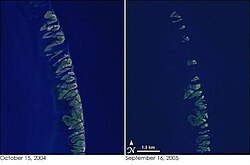
Coastal geography was also permanently altered. The Chandeleur Islands, for example, showed visible erosion and land loss following the storm's passage.
The Aftermath and Response
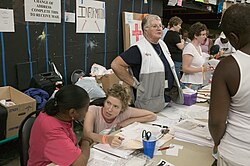
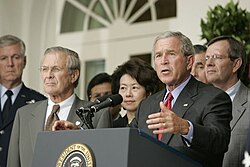
The government response was heavily criticized, particularly the coordination between the Federal Emergency Management Agency (FEMA) and local authorities. Thousands of displaced residents sought refuge in the Houston Astrodome, supported by the Red Cross and other agencies.
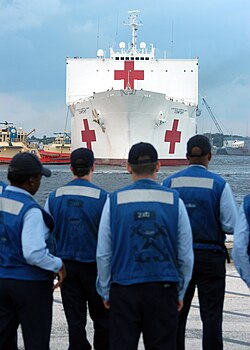
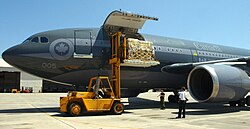
International aid poured in from countries including Canada, Israel, and New Zealand. The U.S. Navy deployed the USNS Comfort to provide medical supplies and relief to the devastated coast.
In the years following the disaster, the U.S. Army Corps of Engineers focused on reconstruction and the modification of levees to prevent a repeat of the 2005 failures. The name "Katrina" was subsequently retired from the list of Atlantic hurricane names due to the storm's infamy.

Frequently Asked Questions
What was the maximum wind speed of Hurricane Katrina?
At its peak intensity, Hurricane Katrina had maximum sustained winds of 175 mph (280 km/h), classifying it as a Category 5 hurricane on the Saffir-Simpson scale.
Why did New Orleans suffer such extreme flooding?
While the storm brought heavy rain, the primary cause of the catastrophic flooding in New Orleans was the failure of the city's levee system, which allowed storm surges to breach the city's defenses.
How many people died as a result of the storm?
The total death toll is estimated between 1,245 and 1,836 people, with the vast majority of fatalities occurring in Louisiana.
What was the total economic cost of the disaster?
Hurricane Katrina caused approximately $125 billion in damages (2005 USD), making it the costliest tropical cyclone on record when adjusted for inflation.
Which company was responsible for the largest oil spill during the storm?
Bass Enterprises (Cox Bay) was responsible for the largest spill, releasing approximately 3.78 million US gallons of oil.