Nauru Regional Processing Centre: History and Operations
The Nauru Regional Processing Centre is an offshore immigration detention facility located in the Meneng District of Nauru, a small island nation in the South Pacific. Established as part of Australia's policy of mandatory detention—a system where asylum seekers are detained while their claims are processed—the centre has served as a primary tool for managing arrivals attempting to reach Australia by sea.
While the facility is managed by the Government of Nauru under Nauruan law, it operates with significant support and funding from the Australian government. Its operational history is marked by periods of closure and reopening, reflecting shifts in Australian political leadership and immigration strategy.
Key Facts
- Location: Meneng District, Nauru (0°32′26″S 166°55′50″E).
- Operational Periods: 2001–2008, 2012–2019, and since September 2021.
- Management: Run by the Government of Nauru with Australian support.
- Current Population: 11 people (as of October 2023).
- Legal Status: The High Court ruled in 2023 that indefinite immigration detention is unlawful.
Operational Timeline and History
Establishment and Early Years (2001–2008)
The centre was first established in 2001 as part of the "Pacific Solution." This initial phase focused on processing asylum seekers outside the Australian mainland. The facility remained active until 2008, when it was closed.
Reopening and Operation Sovereign Borders (2012–2019)
In 2012, the facility was reopened to accommodate a new wave of asylum seekers. This period coincided with the launch of Operation Sovereign Borders in September 2013, a military-led border security operation designed to stop boats from reaching Australia.
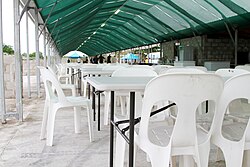
This era was marked by significant volatility. In July 2013, a major riot occurred at the centre, resulting in damage to the facility and police intervention. By November 2016, a resettlement deal with the United States was established to move refugees off the island.
Closure and Transition (2019–2021)
By March 31, 2019, the detention centre was officially closed, and no people were held within the facility. The last four children, part of an original group of 200 detained in 2013, were resettled in the United States with their families in February 2019. However, a significant number of refugees and asylum seekers remained on the island outside the formal centre; as of March 2020, 211 people remained on Nauru.
Recent Developments (2021–Present)
In September 2021, a new agreement was signed between Australia and Nauru to keep the detention centre open indefinitely. This move coincided with Australia ending its offshore processing arrangements in Papua New Guinea.
Facility Overview
The centre's operations have been characterized by complex management structures. Various private contractors have been involved in providing garrison support and welfare services. Reports have highlighted the financial aspects of these contracts, including significant profits made by operating firms.
| Feature | Details |
|---|---|
| Primary Purpose | Offshore immigration detention and processing |
| Governing Law | Nauruan Law |
| Key Policy | Mandatory Detention |
| Recent Legal Ruling | Indefinite detention ruled unlawful (2023) |
| Current Status | Open |
Conditions and Human Rights
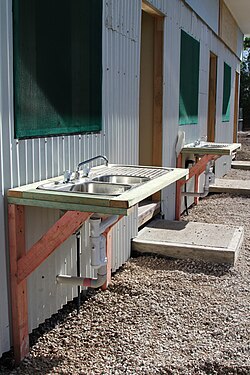
The facility has been the subject of intense scrutiny from international bodies and human rights organizations. Issues raised include the psychological impact of detention on children, reports of sexual assault and abuse, and the physical conditions of the "tent cities" used during the 2012 reopening. Media access to the facility has historically been restricted, with high visa fees and secrecy provisions under the Border Force Act limiting independent reporting.
Frequently Asked Questions
Who manages the Nauru Regional Processing Centre?
The centre is managed by the Government of Nauru under Nauruan law, although it receives financial and operational support from the Australian government.
What is the current population of the centre?
As of October 2023, the population of the facility was 11 people.
Why was the centre reopened in 2021?
Australia signed a new agreement with Nauru in September 2021 to maintain the facility indefinitely, particularly as Australia ceased processing asylum seekers in Papua New Guinea.
What was the result of the 2023 High Court ruling?
The High Court ruled that the practice of indefinite immigration detention is unlawful.
What happened to the children detained on Nauru?
The last four children held at the facility were resettled in the United States with their families in February 2019.