NATO: History, Membership, and Global Military Operations
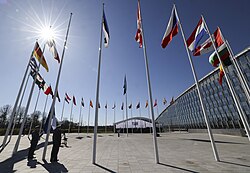
The North Atlantic Treaty Organization (NATO) is a premier intergovernmental military alliance established to guarantee the freedom and security of its members through political and military means. Founded on April 4, 1949, the alliance has evolved from a Cold War deterrent into a complex global security network comprising 32 member states from North America and Europe.
Headquartered in Brussels, Belgium, NATO operates under the leadership of the Secretary General, currently Mark Rutte. The alliance is guided by the principle of collective defense, where member states agree to support one another in the event of an attack.
Key Facts
- Founded: April 4, 1949.
- Membership: 32 member states.
- Headquarters: Brussels, Belgium.
- Official Languages: English and French.
- Estimated Total Expenses (2025): US$ 1.588 trillion.
- Core Purpose: A military alliance focused on collective security.
Historical Evolution
NATO was formed in the aftermath of World War II to provide collective security against the threat of expansionism. A pivotal moment occurred in 1955 when West Germany joined the alliance, an event that prompted the Soviet Union and its satellites to form the rival Warsaw Pact.
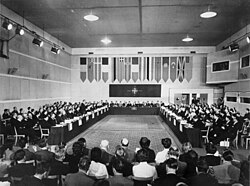
The end of the Cold War brought significant shifts in NATO's strategic focus. The fall of the Berlin Wall in 1989 served as a catalyst for the alliance to redefine its role in a post-Soviet Europe, transitioning from a static defense posture to one of crisis management and partnership.

Military Operations and Interventions
While originally designed for territorial defense, NATO has conducted numerous out-of-area operations to maintain international stability. These interventions range from peacekeeping missions to active combat and training roles.
Balkans and European Stability
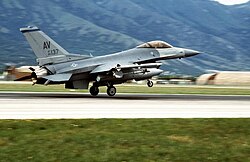
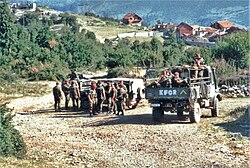
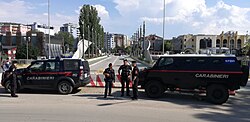
In the 1990s, NATO intervened in Bosnia and Herzegovina and later in Kosovo. The Kosovo intervention involved airstrikes and the subsequent deployment of KFOR (Kosovo Force) to maintain security and stability in the region.
Global Security and Counter-Terrorism
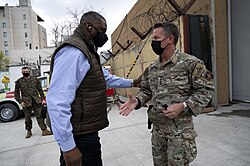
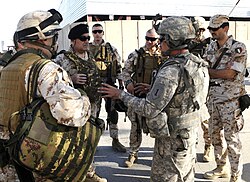
Following the attacks of September 11, 2001, NATO invoked Article 5—the collective defense clause—for the first time, leading to a prolonged engagement in the War in Afghanistan. This mission included both combat operations and the training of local forces until the final withdrawal in July 2021.
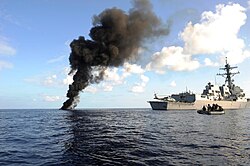
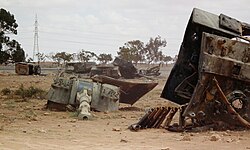
Other significant operations include anti-piracy efforts in the Gulf of Aden (Operation Ocean Shield) and the 2011 intervention in Libya to enforce a no-fly zone and protect civilians.
Modern Deterrence and Exercises
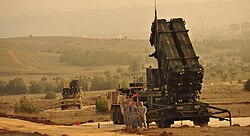
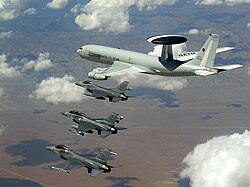
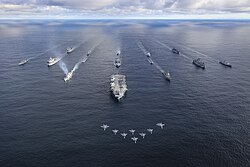
In recent years, NATO has shifted focus back toward its eastern flank to deter aggression. This includes the deployment of Patriot missile batteries in Turkey and the execution of massive military drills, such as Steadfast Defender 24, the largest exercise since the Cold War.
Membership and Partnerships
NATO's membership has expanded significantly since 1949. The process for joining typically involves a Membership Action Plan (MAP), though some countries have joined through accelerated paths. Recent additions include Finland and Sweden, reflecting a renewed focus on Northern European security.
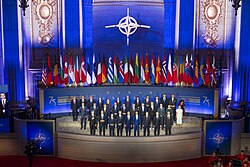
Beyond full membership, NATO maintains various partnership frameworks to cooperate with non-member states:
- Partnership for Peace (PfP): A program for military cooperation with non-NATO countries.
- Mediterranean Dialogue: Regional cooperation with Southern Mediterranean nations.
- Istanbul Cooperation Initiative: Engagement with Gulf Cooperation Council states.
- Global Partners: Strategic relationships with nations such as Australia, Japan, and South Korea.
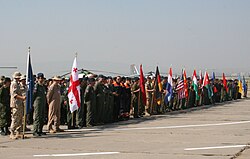
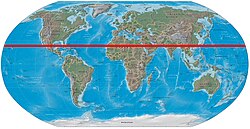
It is important to note that NATO's collective defense obligations are geographically limited; member states are not obligated to defend territories south of the Tropic of Cancer.
Organizational Structure
NATO operates through a dual structure of civilian and military leadership. The North Atlantic Council (NAC) is the principal political decision-making body, where every member state has a seat and decisions are made by consensus.
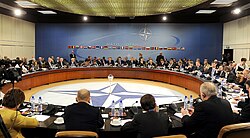
The military wing is led by the Supreme Allied Commander Europe (SACEUR) and the Supreme Allied Commander Transformation (SACT), ensuring that the alliance remains technologically advanced and operationally ready.
| Category | Details |
|---|---|
| Total Members | 32 States |
| Key Leadership | Secretary General Mark Rutte |
| Primary Treaty | North Atlantic Treaty (1949) |
| Key Military Commands | SACEUR and SACT |
| Geographic Limit | North of the Tropic of Cancer |
Frequently Asked Questions
What is the purpose of NATO?
NATO is a military alliance designed to ensure the collective security of its member states. Its primary goal is to protect the freedom and security of its members through political and military means, based on the principle that an attack against one is an attack against all.
How many countries are members of NATO?
There are currently 32 member states, including the United States, Canada, and various European nations such as the United Kingdom, France, Germany, and the most recent additions, Finland and Sweden.
What is Article 5?
Article 5 is the cornerstone of the North Atlantic Treaty, establishing the principle of collective defense. It states that an armed attack against one or more members in specified areas shall be considered an attack against them all, requiring members to assist the party attacked.
Does NATO operate outside of Europe and North America?
Yes. While its primary defense obligations are in the North Atlantic area, NATO has conducted numerous global operations, including missions in Afghanistan, Libya, and anti-piracy operations in the Gulf of Aden.
How are decisions made within NATO?
Decisions within the North Atlantic Council are made by consensus. This means that all member states must agree to a proposal before it is adopted as official policy.