NASA: A Legacy of Space Exploration and Scientific Discovery
Since its inception, the National Aeronautics and Space Administration (NASA) has served as the vanguard of human curiosity, pushing the boundaries of what is possible in the realms of aeronautics and space exploration. Formed on July 29, 1958, NASA transitioned from its predecessor, the National Advisory Committee for Aeronautics (NACA), to become the primary United States federal agency responsible for civil space programs and aeronautics research.
From the first orbital flights to the ambitious Artemis missions, NASA's journey has been defined by a relentless pursuit of knowledge. Today, the agency manages a complex ecosystem of research, technology, and exploration that spans from the depths of our atmosphere to the far reaches of the solar system.
Key Facts
- Founded: July 29, 1958
- Headquarters: Washington, D.C.
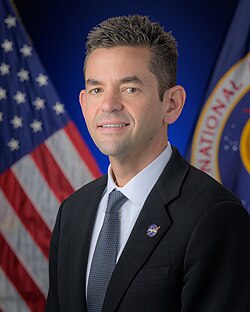
- Current Administrator: Jared Isaacman
- Primary Spaceports: Kennedy Space Center, Cape Canaveral Space Force Station, Vandenberg Space Force Base, and Wallops Flight Facility
- 2026 Annual Budget: US$24.4 billion
- Core Mission Directorates: Human Spaceflight, Science, Mission Support, and Research & Technology
The Evolution of Spaceflight
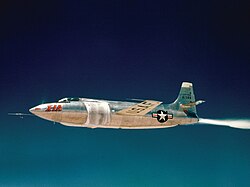
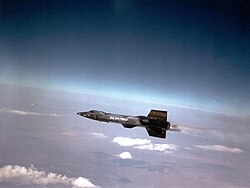
The history of NASA is marked by era-defining milestones that have fundamentally changed our understanding of the universe. The early years focused on achieving orbital flight—the ability of a spacecraft to maintain a stable path around a celestial body—and mastering hypersonic flight, which involves speeds exceeding Mach 5.
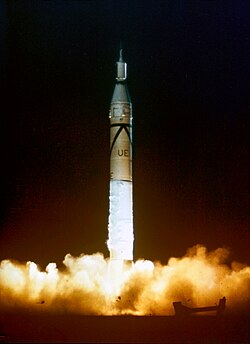
From Mercury to the Moon
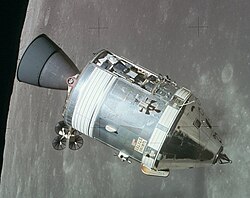
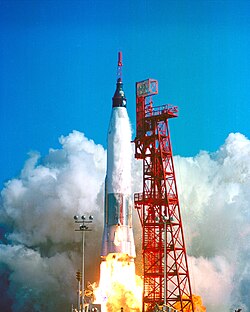
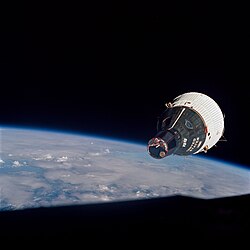
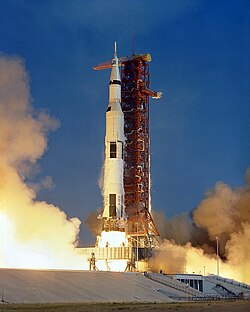
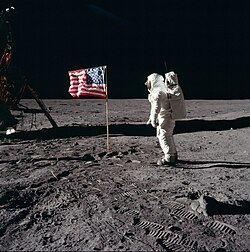
The progression from early satellite launches to crewed missions was rapid. Following the success of early orbital probes, NASA moved into the crewed era with programs like Mercury and Gemini, eventually culminating in the historic Apollo missions that landed humans on the Moon.
The Space Shuttle and Space Stations
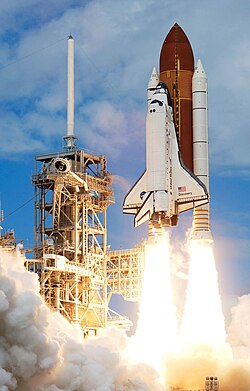
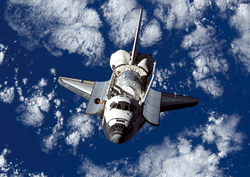
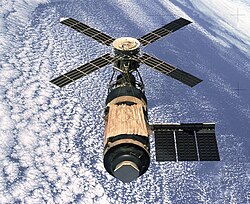
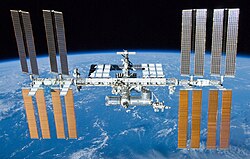
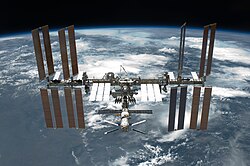
Following the Apollo era, NASA transitioned to the Space Shuttle program, a reusable spacecraft system designed to facilitate frequent access to low Earth orbit. This era also saw the establishment of long-term human habitation in space through projects like Skylab and, most notably, the International Space Station (ISS).
Modern Exploration and Commercial Partnerships
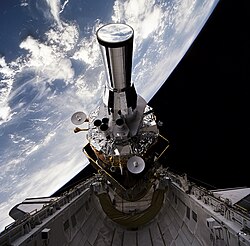
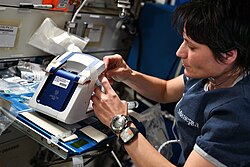
In recent decades, NASA has embraced a new model of exploration by collaborating with commercial entities. Through the Commercial Crew Program and Commercial Resupply Services, NASA works alongside private companies to transport astronauts and cargo to the ISS, fostering a robust commercial space economy.
Returning to the Moon: The Artemis Program
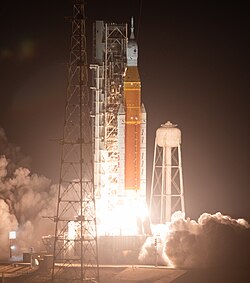
The Artemis program represents the next great leap in human exploration. Aiming to return humans to the lunar surface, Artemis serves as a stepping stone for future missions to Mars and beyond, utilizing advanced technologies and international partnerships.
Robotic Exploration and Planetary Science
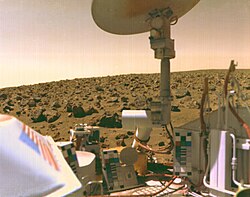
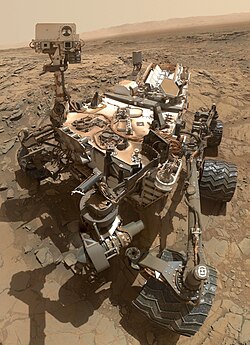
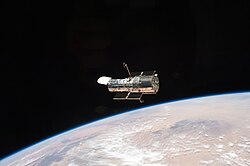
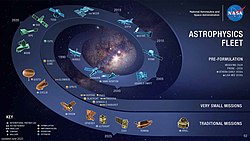
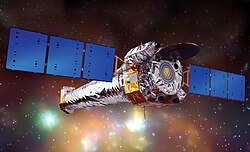
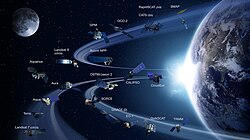
While humans explore, robotic explorers continue to map the solar system. From the rovers on Mars to deep-space telescopes, NASA's robotic fleet provides unprecedented data on planetary geology, atmospheres, and the origins of the universe.
Organizational Structure and Budget
NASA's operations are divided into several mission directorates, each receiving specific budget allocations to ensure mission success. The largest portion of the budget is dedicated to Human Spaceflight, followed by Science, Mission Support, and Research & Technology.
| Mission Directorate | Associate Administrator | % of Budget |
|---|---|---|
| Human Spaceflight (HSMD) | Lori Glaze | 45% |
| Science (SMD) | Nicola Fox | 32% |
| Mission Support (MSMD) | John Bailey | 14% |
| Research and Technology (RTMD) | James Kenyon | 9% |
Frequently Asked Questions
What is the primary goal of the Artemis program?
The Artemis program aims to return humans to the Moon, establishing a sustainable presence there to prepare for future crewed missions to Mars.
How does NASA work with private companies?
NASA utilizes programs like the Commercial Crew Program and Commercial Resupply Services to partner with private industry for transporting astronauts and supplies to the International Space Station.
What are NASA's main areas of research?
NASA conducts extensive research in aeronautics, human spaceflight, planetary science, astrophysics, Earth sciences, and advanced space technologies like nuclear propulsion.
Where are NASA's primary launch sites located?
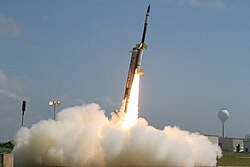
NASA utilizes several key spaceports, including the Kennedy Space Center in Florida, Cape Canaveral Space Force Station, Vandenberg Space Force Base, and the Wallops Flight Facility.
What is the role of the Deep Space Network?
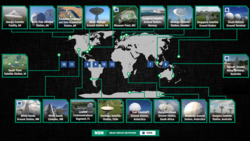
The Deep Space Network is a global array of radio antennas that allows NASA to communicate with spacecraft as they travel through deep space.