Mustafa Kemal Atatürk: The Architect of Modern Turkey
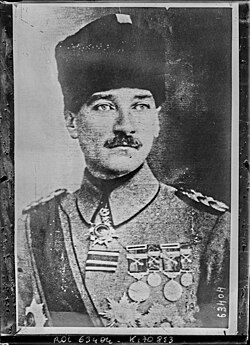
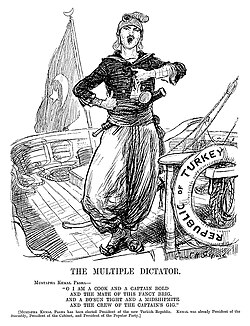
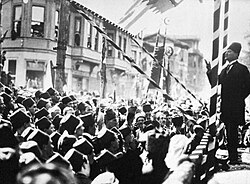
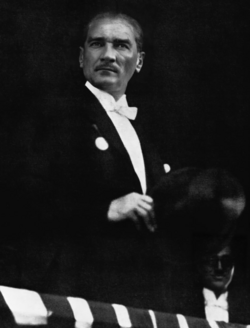
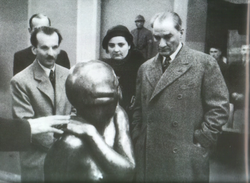
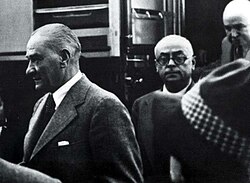
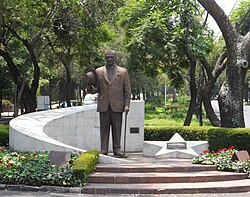
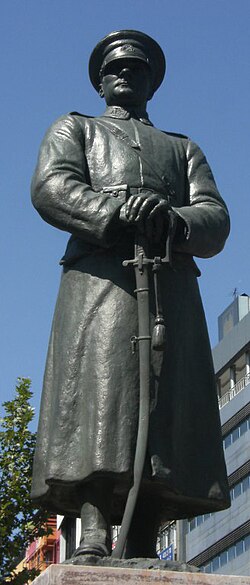
Mustafa Kemal Atatürk was the visionary leader, military strategist, and first President of the Republic of Turkey. From his early days as an Ottoman officer to his role as the founder of a secular nation, Atatürk transformed a collapsing empire into a modern state. His legacy is defined by a series of sweeping social, political, and economic reforms designed to align Turkey with contemporary global standards.
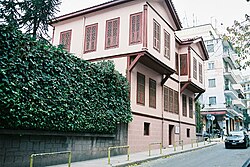
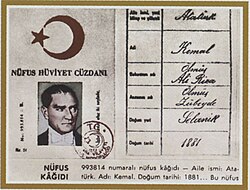
Born around 1881 in Salonica, an Ottoman city now in Greece, Atatürk's journey began in the military academies of the Ottoman Empire. His early career was marked by a rapid ascent through the ranks, driven by his intellectual curiosity and tactical brilliance.
Key Facts
- Role: Founder and 1st President of the Republic of Turkey (1923–1938).
- Military Rank: Marshal of the Turkish Army.
- Key Achievement: Led the Turkish War of Independence and established a secular republic.
- Major Reforms: Introduced a new alphabet, abolished the caliphate, and granted women's suffrage.
- Final Resting Place: Anıtkabir, Ankara.
Military Career and the Rise to Power
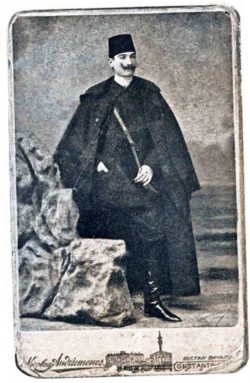
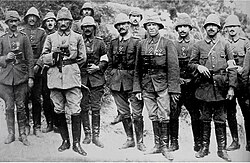
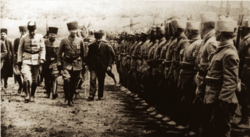
Atatürk's military prowess became evident during several critical conflicts. He served in the Italo-Turkish War (1911–1912) and the Balkan Wars (1912–1913). However, it was during World War I that he gained international recognition. During the Gallipoli campaign in 1915, his leadership was pivotal in repelling Allied forces, cementing his status as a national hero.
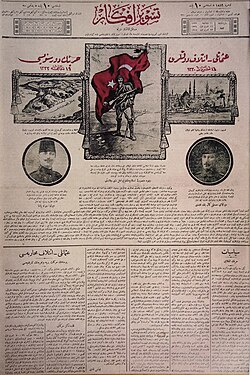
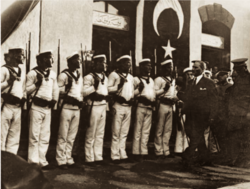
Following the collapse of the Ottoman Empire after World War I, Mustafa Kemal led the Turkish War of Independence (1919–1923). He organized the Army of the Grand National Assembly and secured victory against occupying forces, leading to the formal establishment of the Republic of Turkey on October 29, 1923.
The Transformation of a Nation
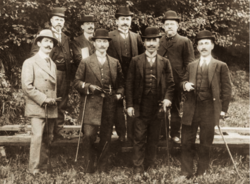
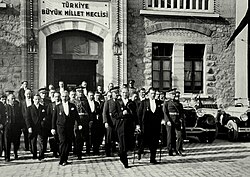
Upon becoming President, Atatürk embarked on a mission of complete national independence and modernization. He believed that for Turkey to survive and thrive, it had to break away from the traditional structures of the Ottoman past.
Civic and Religious Reforms
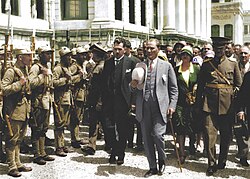
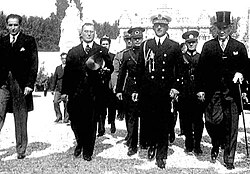
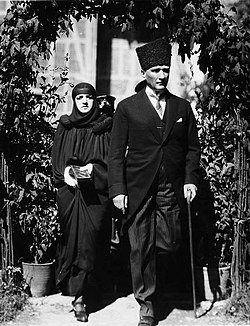
One of his most significant moves was the abolition of the caliphate in 1924, separating religion from state affairs to create a secular government. He also replaced traditional religious insignia and attire with Western-style clothing to symbolize a forward-looking society.
Educational and Cultural Revolution
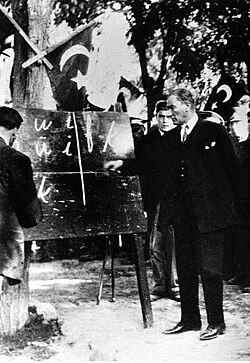
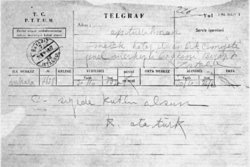
Atatürk recognized that literacy was the key to progress. In 1928, he introduced a new Turkish alphabet based on Latin characters, replacing the Arabic script. This reform drastically increased literacy rates and shifted the nation's cultural orientation toward the West.
Social Progress and Women's Rights
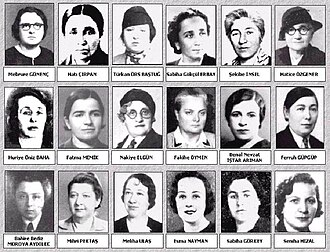
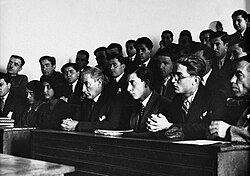
Atatürk was a staunch advocate for gender equality. His reforms paved the way for women to enter professional fields and participate in politics. By the 1935 general elections, eighteen female MPs had joined the Turkish Parliament.
Economic Policy and Foreign Relations
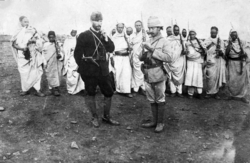
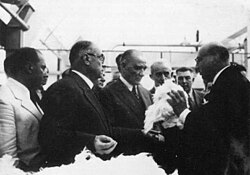
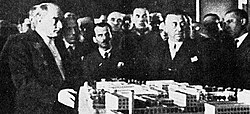
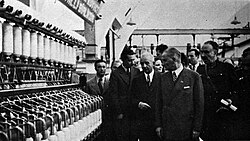
Economically, Atatürk transitioned Turkey from a state of intervention to a model of planned growth. Following the Great Depression, he supported large-scale government-subsidized industrial complexes, such as the Sümerbank Nazilli Cotton Factory, to foster industrial self-sufficiency.
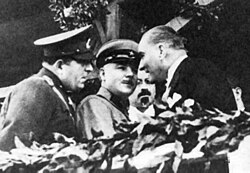
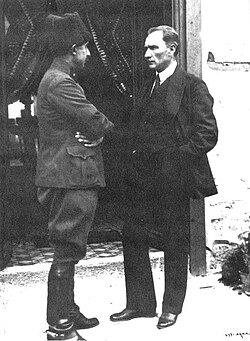
In foreign policy, he sought stability and peace with neighbors. He navigated complex relations with the Soviet Union and established alliances with Greece. He also envisioned a Balkan Federation to ensure regional peace, though this goal remained unachieved.
Summary of Atatürk's Leadership
| Category | Details |
|---|---|
| Presidency | October 29, 1923 – November 10, 1938 |
| Political Party | Republican People's Party (CHP) |
| Key Military Commands | 19th Division, 16th Corps, 2nd Army, 7th Army, Yıldırım Army Group |
| Major Reforms | Secularism, Latin alphabet, Women's suffrage, Industrialization |
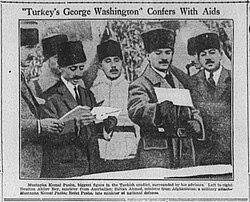
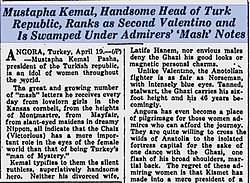
| International Recognition | Referred to as "Turkey's George Washington" by US press |
Final Years and Legacy
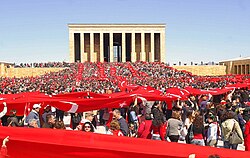
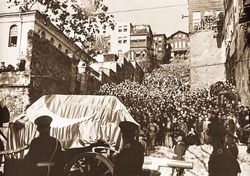
Mustafa Kemal Atatürk passed away on November 10, 1938, in Istanbul at the age of 56 or 57. He was succeeded by İsmet İnönü. His remains were eventually interred in Anıtkabir, a massive mausoleum in Ankara that continues to be a site of national pilgrimage.
Frequently Asked Questions

Why is he called "Atatürk"?
The name "Atatürk" means "Father of the Turks." It was a title bestowed upon him by the Turkish Parliament in 1934 in recognition of his role in founding the republic.
What was the purpose of the alphabet reform?
The transition from Arabic script to the Latin-based alphabet was intended to make learning to read and write easier for the general population, thereby increasing literacy and modernizing the nation's education system.
How did Atatürk change the role of women in Turkey?
He implemented laws that granted women equal rights in civil life and the right to vote and run for office, culminating in the election of female members of parliament in 1935.
What was his approach to the economy?
Atatürk moved from early state intervention toward a system of planned growth and etatism (state-led economic development), particularly after the Great Depression, to build a strong industrial base.
What is Anıtkabir?
Anıtkabir is the official mausoleum of Mustafa Kemal Atatürk located in Ankara, serving as a symbol of the Turkish Republic and a place for national commemoration.