Muslim Conquest of Syria
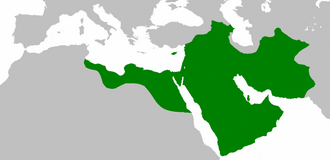
The Muslim conquest of Syria (634–638 CE) was a pivotal series of military campaigns during the Arab–Byzantine wars. This period saw the Rashidun Caliphate—the first caliphate established after the death of Muhammad—successfully annex the Diocese of the East, a region administered by the Byzantine Empire. The shift in power fundamentally altered the geopolitical landscape of the Near East, ending centuries of Byzantine rule in the Levant.
The conquest was not a single event but a phased progression. It began with the unification of Arabia under Caliph Abu Bakr following the Ridda wars (Wars of Apostasy) and culminated in the establishment of a new administrative order that would eventually give rise to the Umayyad dynasty.
Key Facts
- Timeline: The primary conquest occurred between 634 and 638 CE, with some coastal holdouts remaining until 644 CE.
- Outcome: Decisive Muslim victory and the annexation of Byzantine Syria.
- Key Commanders: Khalid ibn al-Walid, Abu Ubayda ibn al-Jarrah, and Amr ibn al-As for the Caliphate; Emperor Heraclius for the Byzantines.
- Major Turning Point: The Battle of the Yarmuk broke the imperial power of the Byzantines in the region.
- Biological Impact: The Plague of Amwas caused massive casualties among both Muslim soldiers and the local Christian population.
The Three Phases of Conquest
Historian Fred Donner suggests that the war can be reconstructed into three distinct stages, moving from rural incursions to the total occupation of the province.
1. Initial Invasion (633–634 CE)
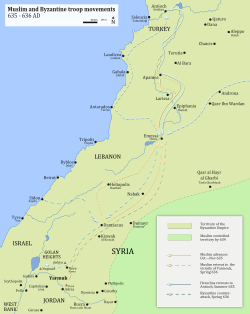
In late 633 or early 634, Caliph Abu Bakr dispatched several armies led by companions of Muhammad, including Amr ibn al-As, Shurahbil ibn Hasana, Yazid ibn Abi Sufyan, and Abu Ubayda ibn al-Jarrah. These forces entered Syria via separate routes—some through the coastal road to Gaza and others through Tabuk and the Golan Heights—primarily targeting local garrisons and the southern tribal countryside.
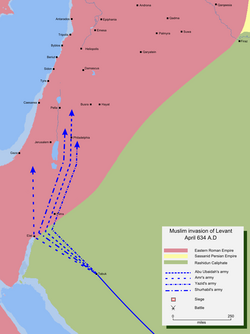
2. Major Engagements (634–636 CE)
The arrival of the renowned general Khalid ibn al-Walid marked a shift toward capturing major urban centers. This phase was characterized by escalating Byzantine responses and high-stakes battles. At the Battle of Fahl (December 634/January 635), Muslim forces defeated a regrouped Byzantine garrison despite difficult, muddy terrain. Other clashes, such as the engagement at Marj al-Suffar, further weakened Byzantine defenses before the decisive confrontation at the Yarmuk River.
3. Final Occupation (637–648 CE)
Following the collapse of imperial field armies, the remaining countryside and isolated towns were reduced piecemeal. This stage included the capture of northern Syria and the eventual surrender of major cities that had previously resisted the advance.
The Fall of the Cities and Coastal Holdouts
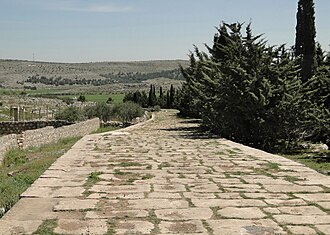
While the interior fell relatively quickly, the coastal cities required prolonged sieges. Mu'awiya, brother of Yazid ibn Abi Sufyan, led the efforts to capture Caesarea and Asqalan, which surrendered between 639 and 641 CE. Other ports, including Sidon, Beirut, and Byblos, also fell, with Tripoli being one of the last to be captured in 644 CE during the reign of Caliph Uthman.
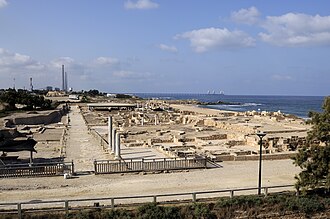
The fall of Caesarea was particularly notable; 4,000 captives were sent to Medina. Caliph Umar utilized literate boys from these captives as secretaries to support the growing state bureaucracy, addressing a critical shortage of literate administrators in Arabia.
The Plague of Amwas
Between 638 and 639 CE, a devastating epidemic known as the Plague of Amwas struck Syria. The disease took a heavy toll on the Muslim leadership and rank-and-file. High-ranking commanders, including Abu Ubayda, Mu'adh ibn Jabal, and Yazid ibn Abi Sufyan, succumbed to the plague.
Islamic tradition estimates that between 20,000 and 25,000 Muslim soldiers and their families died. To mitigate the crisis, Abu Ubayda moved the army headquarters to Jabiya in the Hauran highlands, where the healthier climate served as a sanatorium for the sick. In the wake of these losses, Caliph Umar split the command of the region between Mu'awiya (Damascus and Jordan) and Iyad ibn Ghanm (Homs and northern Syria).
Expansion into Upper Mesopotamia
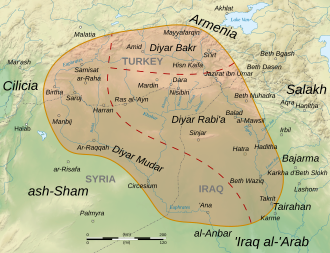
Under the command of Iyad ibn Ghanm, the Caliphate expanded into the Jazira (Upper Mesopotamia). In August 639, Iyad led a force of 5,000 toward Raqqa. After a series of raids on the city's environs, the Byzantine patrician negotiated a surrender, bringing the region under Muslim control by 639 or 640 CE.
Aftermath and Naval Expansion
The conquest of Syria provided the Rashidun Caliphate with a strategic base for further expansion. Under Caliph Uthman, Mu'awiya was permitted to build a navy, which was used to capture Cyprus (649 CE), Crete, and Rhodes. These naval capabilities, combined with annual raids into western Anatolia, prevented the Byzantines from attempting to recapture Syria.
| Category | Details |
|---|---|
| Period | 634–638 CE (Main phase) |
| Primary Belligerents | Rashidun Caliphate vs. Byzantine Empire |
| Key Regions Captured | Syria, Palestine, Jordan, and the Jazira |
| Major Battles | Fahl, Yarmuk, Siege of Damascus, Siege of Jerusalem |
| Significant Loss | Plague of Amwas (638–639 CE) |
| Long-term Result | Annexation of the Levant; rise of the Umayyad power base |
Frequently Asked Questions
Who were the primary commanders of the Muslim armies in Syria?
The primary commanders included Khalid ibn al-Walid, Abu Ubayda ibn al-Jarrah, Amr ibn al-As, Yazid ibn Abi Sufyan, and Shurahbil ibn Hasana.
What was the significance of the Battle of the Yarmuk?
The Battle of the Yarmuk was the decisive engagement that broke the Byzantine Empire's military power in the region, leading to the eventual occupation of Syria.
How did the Plague of Amwas affect the conquest?
The plague caused massive casualties, killing between 20,000 and 25,000 Muslim soldiers and several top commanders, which forced Caliph Umar to restructure the military command of the region.
Which coastal cities were the last to fall?
Caesarea and Asqalan surrendered between 639 and 641 CE, while Tripoli was one of the final coastal holdouts, falling in 644 CE.
What happened to the Jazira region?
The Jazira (Upper Mesopotamia) was conquered by Iyad ibn Ghanm around 639–640 CE after the Byzantine garrisons there became isolated from the rest of the empire.