Multiculturalism: The Dynamics of Cultural Pluralism in Global Societies
Multiculturalism is the coexistence of multiple cultural traditions within a single society. While the term is used colloquially to describe diverse neighborhoods or cities, it holds deeper significance in the fields of sociology and political philosophy. At its core, it represents ethnic or cultural pluralism, where various groups maintain their unique identities while participating in a shared social framework.
This phenomenon can manifest on different scales. On a local level, it may appear as a mixed ethnic community area. On a national level, it describes a country composed of diverse populations, often focusing on the relationship between indigenous or aboriginal groups and those descended from settlers.
![James Fearon's ranking of countries by ethnic and cultural diversity level in 2003, blue is lower and orange is higher.[1]](/images/49/aa/49aa2040bbbf4393ba343b5d3bbbd92d131255556860cafe44a976ce327dbbdf.png)
The Sociological and Political Perspectives
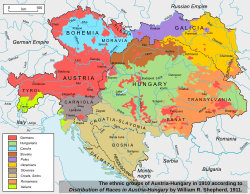
From a sociological standpoint, multiculturalism is the end-state of processes that can be either natural or artificial. Natural processes often involve organic migration, while artificial processes may include legally controlled immigration or the administrative amalgamation of regions with different cultures—such as the union of French and English Canada.
In political science, multiculturalism refers to a state's capacity to effectively and efficiently manage cultural plurality within its sovereign borders. Political philosophies regarding this diversity vary widely, often categorized by two contrasting metaphors:
- The Melting Pot: A model of cultural amalgamation where different elements blend into a single, homogenous identity.
- The Salad Bowl or Cultural Mosaic: A model where different cultures coexist and maintain their distinct characteristics while contributing to a larger whole.
Key Facts
- Definition: The coexistence of multiple ethnic and cultural groups within one society.
- Scale: Occurs both on a national scale (via migration) and a local scale (via community amalgamation).
- Political Models: Ranges from assimilation (melting pot) to pluralism (cultural mosaic).
- Drivers: Driven by legal/illegal migration, colonial history, and government policies.
- Global Presence: Observed in diverse forms across the Americas, Europe, Asia, Africa, and Oceania.
Global Manifestations of Multiculturalism
The Americas
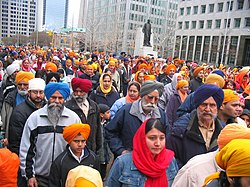
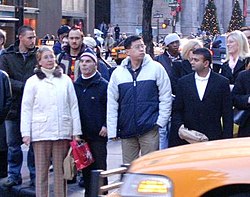
In the United States, multiculturalism is evident in urban enclaves. For example, "Little Bombay" in Jersey City, New Jersey, represents one of the highest concentrations of Indians in the Western Hemisphere. Canada is a prominent example of official multiculturalism, codified through the Canadian Multiculturalism Act and the Charter of Rights and Freedoms.
![People of Indian origin have been able to achieve a high demographic profile in India Square, Jersey City, New Jersey, US, known as Little Bombay,[31] home to the highest concentration of Indians in the Western Hemisphere[32] and one of at least 24 enclaves characterized as a Little India which have emerged within the New York City Metropolitan Area, with the largest metropolitan Indian population outside Asia, as large-scale immigration from India continues into New York City,[33][34] through the support of the surrounding community.](/images/20/a3/20a3de6a38308628252c9aa471fad3b128510380b10a688c2625a597ad3bfb0e.jpg)
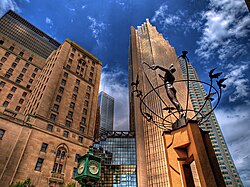
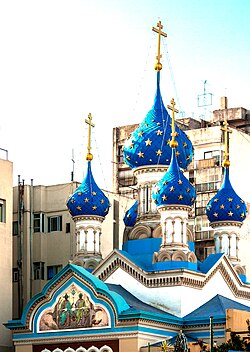
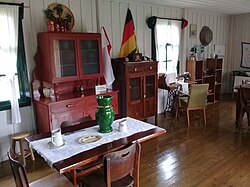
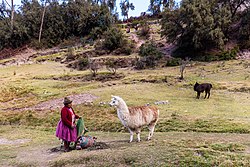
Other nations in the region, such as Argentina, Brazil, Mexico, and Peru, exhibit diversity through a blend of indigenous populations and settler-descended groups.
Europe
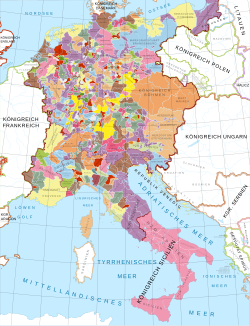
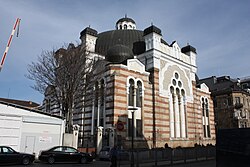
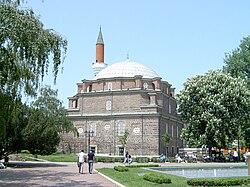
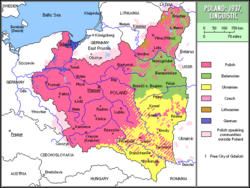
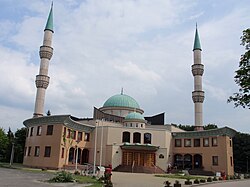
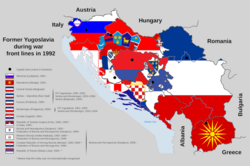
Europe's multicultural landscape is shaped by historical empires and modern migration. The Russian Federation and Bulgaria show diversity through various ethnic minorities, while nations like Germany and France navigate the complexities of integrating non-European immigrant populations.
In Scandinavia, countries like Norway and Sweden experience multiculturalism primarily through immigration. However, this has led to varying political responses, including goals by some parties to reduce immigration from non-European countries.
![The Vuosaari district in Helsinki, Finland, is highly multicultural.[197][198]](/images/9b/cc/9bcc369f05db3cc83c7261af41aec7b40f9a6ea13aeb71a7025d919bb0dd2115.jpg)
Asia and Oceania
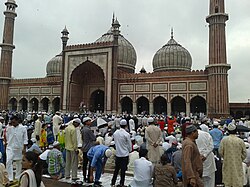
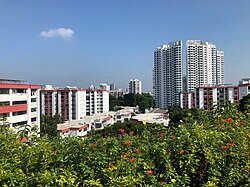
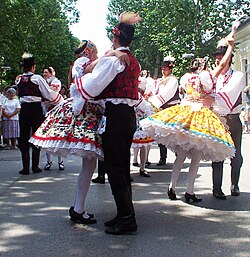
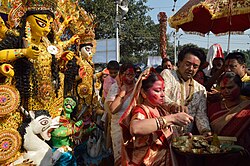
Asia presents some of the world's most complex pluralistic societies. India is characterized by vast cultural minorities and a system of Scheduled Castes (SC), Scheduled Tribes (ST), and Other Backward Castes (OBC). Singapore utilizes high-density public housing to encourage different ethnic groups to live together, promoting social cohesion.
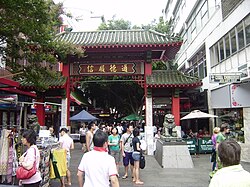
In Oceania, Australia and New Zealand have developed policies to manage their multicultural populations, balancing the rights of indigenous peoples with the influx of global migrants.
Summary of Multicultural Models
| Model | Core Concept | Outcome | Common Metaphor |
|---|---|---|---|
| Assimilation | Minority groups adopt the traits of the majority. | Homogeneity | Melting Pot |
| Pluralism | Groups maintain distinct identities while coexisting. | Diversity | Salad Bowl / Mosaic |
| Amalgamation | Different groups combine to form a new identity. | Hybridity | Fusion |
Frequently Asked Questions

![Educational attainment of migrants in Norway in 2024[203]](/images/d9/02/d902520b05011e6bce50ce11ab9134917b5f46647d2a75a6df82dc4cdb63fae7.png)
![Source: Gävle University College[212]](/images/1d/9e/1d9e203495d6c2eced6a50267f00d7804b456eca468dfe4b307700f4a51ca394.png)
What is the difference between a melting pot and a cultural mosaic?
A melting pot describes a process where different cultures blend together to create a single, uniform identity. In contrast, a cultural mosaic (or salad bowl) describes a society where different cultures coexist side-by-side, maintaining their unique traditions and identities.
How does multiculturalism occur on a small scale?
On a smaller scale, multiculturalism can occur artificially when a jurisdiction is expanded or established by combining areas that already possess two or more different cultures, or through the formation of ethnic enclaves within a city.
What is the role of political philosophy in multiculturalism?
Political philosophy provides the ideologies and policies that determine how a state deals with cultural plurality. This includes deciding whether to encourage assimilation, protect minority rights, or implement official multicultural policies.
Which countries are known for official multicultural policies?
Canada is one of the most prominent examples, having implemented the Canadian Multiculturalism Act to legally recognize and support cultural diversity. Australia also maintains significant multicultural policies to manage its diverse population.