Multiracial and Multi-ethnic Identities Around the World
Human identity is rarely a simple category. Across the globe, millions of people identify as multiracial (possessing two or more races) or multi-ethnic (possessing more than one ethnicity). While these terms are often used interchangeably, they describe the complex intersection of ancestral lineages that shape a person's heritage and social experience.
The terminology used to describe these identities has evolved significantly. Modern terms like biracial or mixed-race have replaced older, now-offensive descriptors such as "half-breed" or "half-caste." Today, multiracial populations represent a growing and significant portion of the global population, particularly in the Americas and the Caribbean.
Key Facts
- Global Prevalence: Multiracial people form the majority of the population in the Dominican Republic (73%) and Aruba (68%).
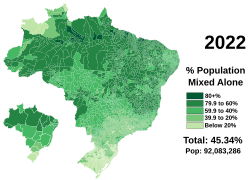
- Latin American Demographics: In Brazil, 45.34% of the population identified as Pardo (mixed race) in the 2022 census.
- North American Trends: The multiracial population in North America is steadily increasing, with a notable rise in people selecting "two or more races" in U.S. and Canadian censuses.
- Diverse Terminology: Regional terms include Mestizo in Central/South America, Coloureds in South Africa, and Métis in Canada.
Regional Perspectives on Mixed Ancestry
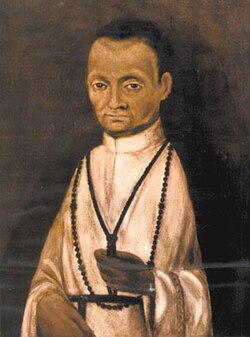
The Americas
In Central and South America, Mestizos (people of mixed European and Indigenous descent) make up the majority of the population in countries such as Panama, Bolivia, Peru, and Colombia. In Brazil, the term Pardo is the primary census category for mixed-race individuals, though other terms like moreno, caboclo, and mulatto are used to describe skin color and ethnicity without offensive connotation.
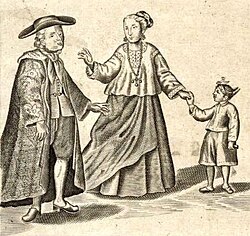
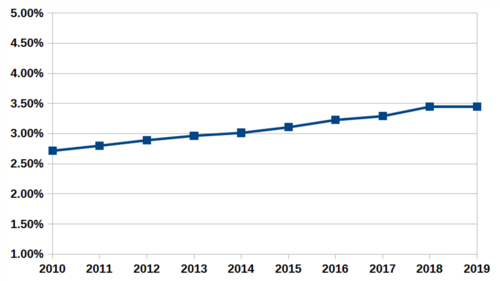
In North America, the landscape of identity is closely tied to census reporting. In the United States, the Office of Management and Budget (OMB) allows respondents to mark one or more racial categories. By 2012, 2.4% of the population chose "Two or more races." Interestingly, some studies suggest that as many as 75% of African Americans have mixed ancestries, frequently including European and Native American roots.
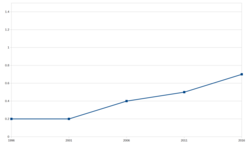
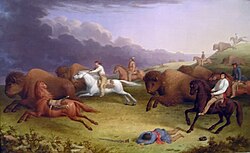
Canada recognizes the Métis as a distinct ethnic group. While the term originates from the Latin miscēre (to mix), the Métis are descendants of historical populations of mixed Aboriginal and European ancestry. In the 2006 census, the official mixed-race population in Canada grew by 25% compared to 2001.
Africa and Asia
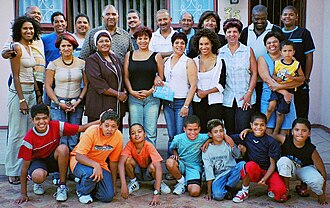
In South Africa, mixed-race individuals are commonly referred to as Coloureds. According to the 2016 census, they constitute 8.8% of the population, making them the second-largest ethnic group in the country.
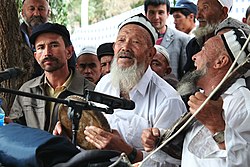
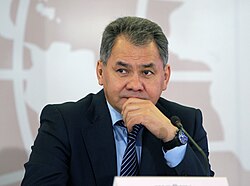
In Asia, terminology varies by language and culture. In China, the term hùnxuè'ér (混血儿) literally translates to "mixed-blood child." Other regions, such as India, have specific constitutional definitions, such as the "Anglo-Indian" category defined in Article 366(2) of the Indian Constitution.
Europe and Oceania
The United Kingdom has seen a steady increase in people identifying as mixed-race. The 2021 census reported that 2.9% of the population chose the "Mixed" ethnicity category, up from 2.2% in 2011. This reflects a broader trend of interracial relationships, which some reports suggest are among the highest in the European Union.
In Oceania, mixed ancestry is common in New Zealand, where individuals may be of both European and Māori descent.

Global Multiracial Data Summary
![Canadian actor and musician Keanu Reeves is of English, Native Hawaiian, Irish, Portuguese and Chinese descent.[98][99][100]](/images/2f/cc/2fcc04615b71d8c81f65a837a619f3711122132bc24efdb24f2fb016c43b8f29.jpg)
| Region/Country | Key Terminology | Notable Statistic/Fact |
|---|---|---|
| Brazil | Pardo, Mestiço | 45.34% identified as Pardo (2022) |
| Dominican Republic | Multiracial | 73% of the population |
| South Africa | Coloureds | 8.8% of the population (2016) |
| United Kingdom | Mixed | 2.9% of the population (2021) |
| Canada | Métis, Mixed-race | Mixed-race population grew 25% (2001-2006) |
Frequently Asked Questions
What is the difference between multiracial and multi-ethnic?
Multiracial refers to people who belong to two or more different races, whereas multi-ethnic refers to people who belong to more than one ethnicity.
Which countries have the highest proportion of multiracial people?
The Caribbean has very high proportions, with the Dominican Republic (73%) and Aruba (68%) reporting multiracial majorities. In Latin America, Mestizos form the majority in countries like Peru, Colombia, and Bolivia.
How does the U.S. Census handle mixed-race identities?
Since the 2000 Census, the U.S. government has allowed respondents to select more than one racial category to indicate their identity, rather than forcing them to choose a single race.
Who are the Métis people of Canada?
The Métis are a distinct ethnic group in Canada descended from historical populations of mixed Aboriginal (Indigenous) and European ancestry, primarily English, Scottish, Irish, and French.
Is the term "Pardo" offensive in Brazil?
No, in Brazil, terms like Pardo, moreno, and mestiço are generally not considered offensive; they are often viewed as descriptions of skin color or physical characteristics similar to height.