Monarchy: History, Evolution, and Modern Systems of Government
A monarchy is a form of government where political power is legally vested in a single individual, known as the monarch, who typically serves as the head of state for life. While most commonly associated with hereditary succession—where power passes through family lines—monarchs can also attain their authority through election.
Historically, monarchies were the dominant form of governance globally. At the start of the 19th century, nearly half of all independent states were monarchies. However, this proportion peaked in the mid-19th century and has since steadily declined, with many states transitioning into republics, particularly following the conclusion of World War I and World War II.
Key Facts
- Two Primary Types: Modern monarchies are generally divided into absolute (autocratic) and constitutional (limited power).
- Global Trend: There has been a steady decline in the number of monarchies since the mid-19th century.
- Oldest Monarchy: Japan is considered the world's oldest existing monarchy, with legendary origins dating back to 660 BCE.
- Succession Trends: Many modern European monarchies have adopted equal primogeniture, allowing the eldest child to inherit regardless of gender.
- De Facto Monarchies: Some republics, such as North Korea, operate as hereditary dictatorships in practice.
Etymology and Origins
The term "monarch" entered the English language in the mid-15th century via the Old French monarche and Late Latin monarcha. These derive from the Greek monarkhēs, meaning "one who rules alone." The broader term "monarchy" refers to the state of absolute rule or the territory governed by such a ruler, stemming from the Greek monarkhia (from monos meaning "alone" and arkhein meaning "to rule").
The roots of monarchy lie in prehistoric societal hierarchies known as chiefdoms or tribal kingships. These structures paved the way for early state formation in ancient civilizations, including the Indus Valley, Mesopotamia, and Ancient Egypt. Some of the earliest evidenced monarchs include Pharaoh Narmer of Egypt (c. 3100 BCE) and Enmebaragesi of Kish in Sumer (c. 2600 BCE).
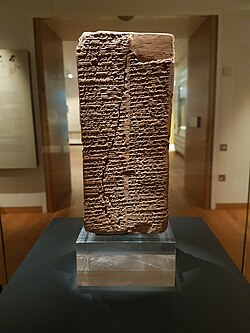
The Evolution of Monarchical Power
In classical antiquity, the Greek historian Polybius categorized monarchy as one of three "benign" forms of government, alongside aristocracy and democracy. This stood in contrast to "malignant" forms such as tyranny, oligarchy, and ochlocracy. While some ancient states moved toward assemblies—such as the Roman Republic in 509 BCE and Athenian democracy in 500 BCE—monarchy remained a central pillar of global power for millennia.
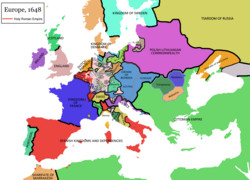
By the 17th century, the absolute power of monarchs began to be challenged by the rise of parliamentarism and regional assemblies. Significant shifts occurred during the American Revolution (1776) and the French Revolution (1789), as well as the temporary overthrow of the English monarchy in 1649.
Absolute vs. Constitutional Monarchy
Modern monarchies are generally categorized by the extent of the ruler's power:
- Absolute Monarchy: The monarch governs as an autocrat with supreme authority. There are approximately twelve such monarchies remaining today.
- Constitutional Monarchy: The monarch's role is defined and limited by a constitution. In many cases, the monarch serves a primarily ceremonial role, similar to a head of state in a parliamentary republic.
Succession and Legitimacy
Succession is the process by which a new monarch ascends to the throne. While hereditary systems are most common, the rules vary significantly by region.
Hereditary Systems
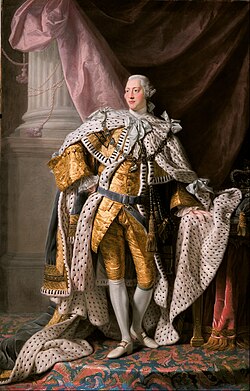
Many nations have moved toward equal primogeniture (full cognatic), where the eldest child inherits the throne regardless of gender. Sweden led this change in 1980, followed by the Netherlands, Norway, Belgium, Denmark, Luxembourg, and the United Kingdom (in 2013).
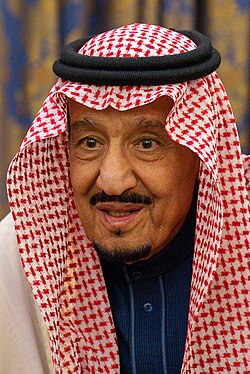
Other systems include agnatic seniority, where the throne passes to the monarch's eldest brother before descending to their children. This was the traditional system in Saudi Arabia, though King Salman shifted this pattern in 2017 by electing his son as heir.
Elective and Self-Proclaimed Monarchies
Some monarchies are elective, meaning the ruler is chosen rather than inheriting the position. Additionally, some individuals have established "self-proclaimed" monarchies without dynastic ties. Examples include Napoleon I of France, who declared himself Emperor after serving as First Consul, and Jean-Bédel Bokassa of the Central African Republic.
Current Global Landscape
Monarchies today exist in various forms across different continents. In East and Southeast Asia, countries like Bhutan, Cambodia, Thailand, and Japan are constitutional monarchies. Japan's monarchy is particularly notable for its longevity, though the Emperor's power was severely limited following World War II, with authority shifting to the National Diet.
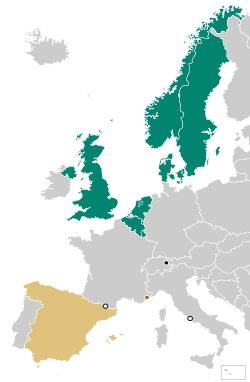
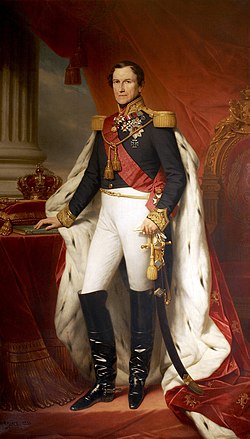
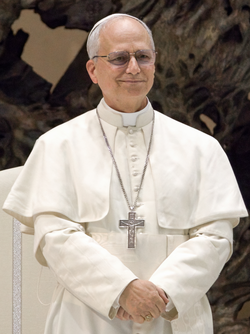
In Europe, monarchies range from the elective sovereign of the Vatican City State to hereditary systems in Belgium and other nations.
Interestingly, some states that are officially republics operate as de facto monarchies. North Korea, for instance, is officially the Democratic People's Republic of Korea, yet power is passed through the "Baekdu bloodline" of the Kim family, leading many to describe it as a hereditary dictatorship.
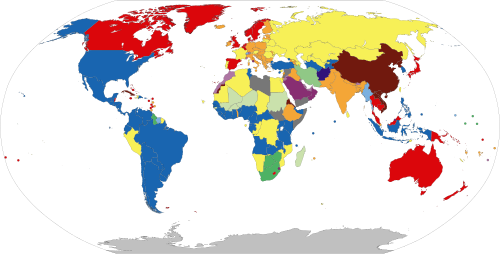
Summary of Monarchy Types
| Type | Source of Power | Extent of Authority | Example |
|---|---|---|---|
| Absolute Monarchy | Hereditary or Elective | Supreme/Autocratic | Saudi Arabia |
| Constitutional Monarchy | Hereditary or Elective | Limited/Ceremonial | Japan, UK |
| De Facto Monarchy | Hereditary (Unofficial) | Supreme/Dictatorial | North Korea |
Frequently Asked Questions
What is the difference between an absolute and a constitutional monarchy?
An absolute monarchy is an autocracy where the monarch holds supreme political power. In a constitutional monarchy, the monarch's powers are limited by a legal framework (a constitution), often leaving them with primarily ceremonial duties.
What is equal primogeniture?
Equal primogeniture is a succession law where the eldest child of the monarch inherits the throne regardless of whether they are male or female.
Can a monarchy be elective?
Yes. While many are hereditary, some monarchies are elective, meaning the ruler is chosen through a specific selection process rather than by birthright.
Which is the oldest existing monarchy in the world?
Japan is considered the world's oldest existing monarchy, with legendary origins tracing back to Emperor Jimmu in 660 BCE.
What is a de facto monarchy?
A de facto monarchy is a state that is officially a republic or another form of government but is actually ruled by a single family in a hereditary fashion, such as the Kim dynasty in North Korea.