Mining: Techniques, History, and Environmental Impact
Mining is the process of extracting geological materials and minerals from the Earth's surface. It is a fundamental industrial activity required to obtain materials that cannot be grown through agriculture or feasibly synthesized in a laboratory. From the metals in our electronics to the coal that powers cities, mining provides the raw materials essential for modern civilization.
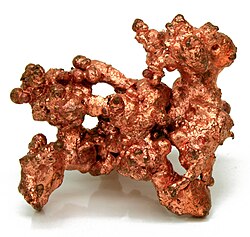
The materials recovered, known as ores, must be rocks or minerals containing a valuable constituent that can be extracted and sold for profit. While commonly associated with metals, mining also encompasses the extraction of coal, oil shale, gemstones, limestone, chalk, rock salt, potash, gravel, and clay. In a broader sense, the term includes the extraction of any non-renewable resource, including petroleum, natural gas, and water.
Key Facts

- Scope: Covers everything from precious metals and gemstones to industrial minerals and fossil fuels.
- Ore Types: Materials are typically found in lodes, veins, seams, reefs, or placer deposits.
- Lifecycle: Modern mining involves prospecting, profit analysis, extraction, and land reclamation.
- Impacts: Significant associations with land degradation, water contamination, and occupational health risks.
- Scale: Ranges from small-scale artisanal operations to massive open-pit mines.
The Evolution of Mining
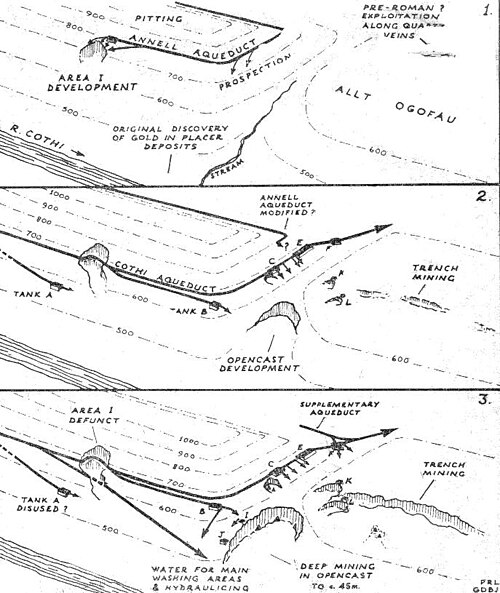
Mining has been a cornerstone of human development across every continent. In ancient times, civilizations like Egypt, Greece, and Rome developed sophisticated quarrying and mining techniques to secure gold, silver, and stone for monuments and currency.
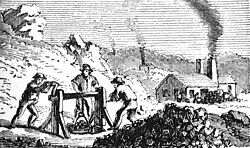
During the Medieval period in Europe, mining expanded significantly, particularly for silver and gold. This era saw the rise of specialized mining knowledge, later documented in seminal works such as De Re Metallica by Agricola.

As the industry moved into modernity, the scale of extraction grew. The 19th and 20th centuries saw the industrialization of mining in the Americas and beyond, introducing heavy machinery and deeper shafts to access previously unreachable deposits.
Mining Techniques and Methods
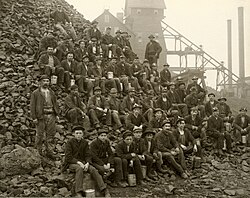
The method of extraction is determined by the depth, shape, and type of the ore body, as well as the cost of labor and energy.
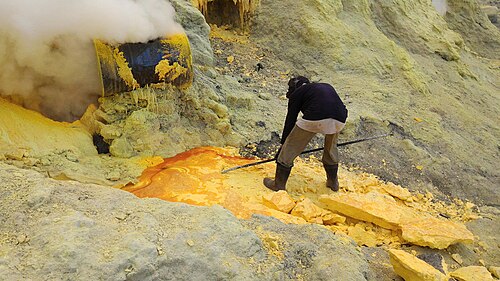
Artisanal Mining
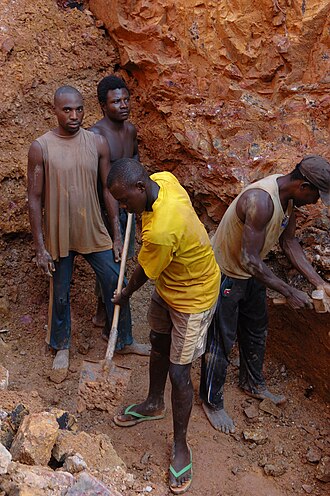
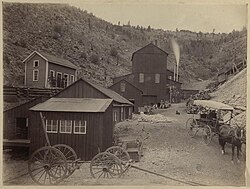
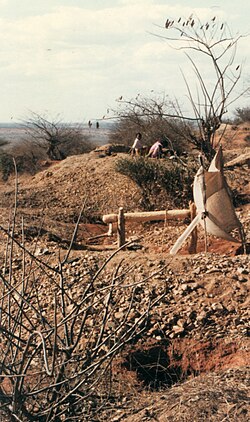
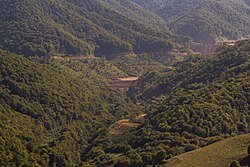
Artisanal mining is small-scale extraction often performed by individuals or small groups. This can be permanent, seasonal (occurring during agricultural idle periods), or rush-type (triggered by sudden jumps in commodity prices).
Surface Mining
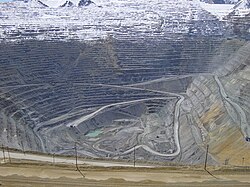
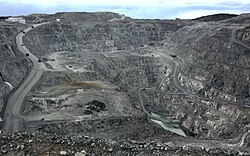
Surface mining is used when ore deposits are located close to the surface. This includes open-pit mining, where large holes are excavated, and strip mining, which removes layers of overburden to reach seams of minerals.
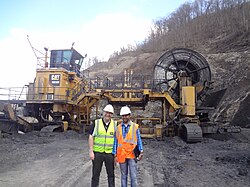
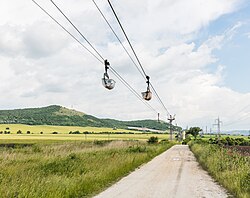
A specialized variation is highwall mining, which bridges the gap between underground and open-pit methods by extracting minerals from the exposed face of a pit.
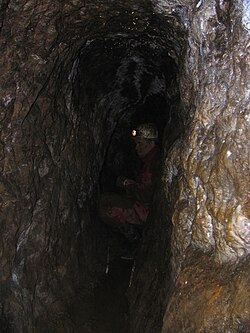
Underground Mining
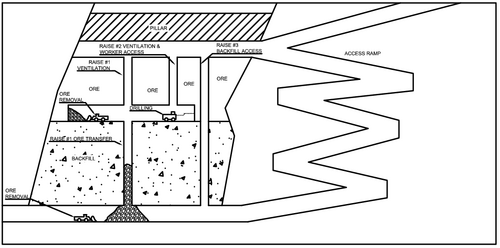
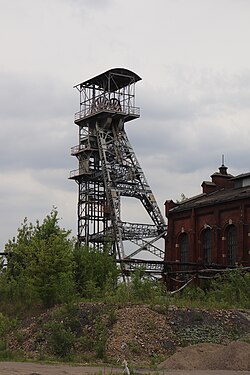
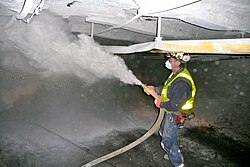
When deposits are too deep for surface removal, underground mining is employed. This involves sinking shafts and driving tunnels to reach the ore. Techniques such as cut and fill mining are used in hard rock environments to maintain stability.
Industrial Processing and Machinery
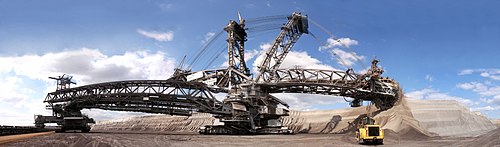
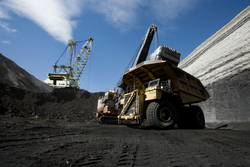
Once extracted, the raw ore must be processed to separate the valuable mineral from the waste rock. This involves crushing, grinding, and chemical refining. To move these massive quantities of material, the industry relies on colossal machinery.
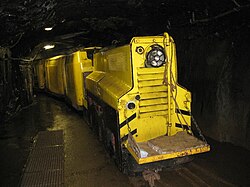
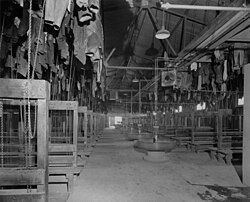
Transportation within mines often utilizes specialized equipment like mantrips to move personnel safely through underground tunnels.
Environmental and Social Impacts
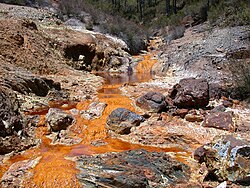
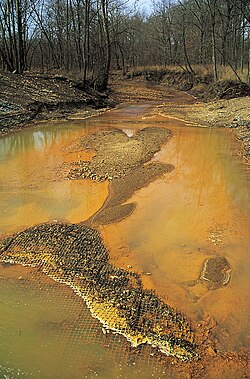
Mining is an extractive industry that inherently alters the landscape. One of the most severe environmental issues is acid mine drainage, where minerals exposed during mining react with air and water to create sulfuric acid, which then contaminates local streams.
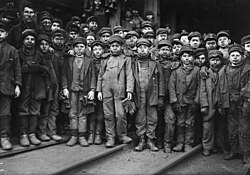
Beyond the environment, the industry faces significant social challenges. In some regions, such as the Democratic Republic of Congo, the extraction of minerals like cobalt has been linked to child labor and human rights violations. Additionally, mining often occurs on lands belonging to indigenous peoples, leading to displacement and legal conflicts over land rights.
Mining Summary Table
| Method | Primary Use Case | Key Characteristics | Example Image |
|---|---|---|---|
| Artisanal | Small, shallow deposits | Hand tools, low capital, often informal | 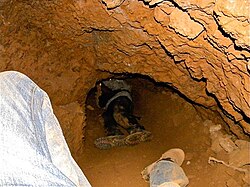 |
| Surface/Open Pit | Large, near-surface bodies | Massive scale, high machinery use | 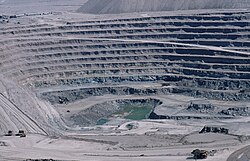 |
| Underground | Deep-seated veins/seams | Shafts, tunnels, ventilation needs | 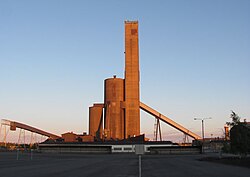 |
| Highwall | Exposed pit faces | Hybrid of surface and underground | 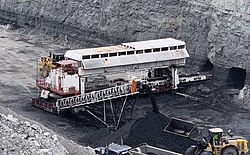 |
Frequently Asked Questions


What is the difference between an ore and a mineral?
A mineral is a naturally occurring inorganic substance with a definite chemical composition. An ore is a specific type of rock or mineral that contains a high enough concentration of a valuable element to be extracted profitably.
What is acid mine drainage?
Acid mine drainage occurs when sulfide minerals in excavated rock are exposed to water and oxygen, creating sulfuric acid. This acid can leach heavy metals from the surrounding rock, polluting nearby water sources.
How is land reclaimed after mining?
Reclamation is the final stage of the mine lifecycle. It involves restoring the land to a natural or economically usable state, which may include filling in pits, replacing topsoil, and replanting native vegetation.
What are the risks associated with artisanal mining?
Artisanal mining often lacks formal safety regulations, leading to higher risks of tunnel collapses and occupational health hazards. It is also frequently associated with social issues, including child labor and land rights disputes.
What is the role of the World Bank in mining?
The World Bank provides guidance and financial frameworks for mining sector reform, focusing on improving governance, transparency, and the economic sustainability of extractive industries in developing nations.