Milk Glass: A History of Lattimo and Opal Glass
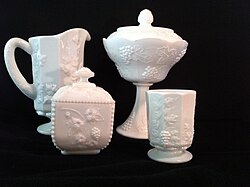
Milk glass is a distinctive type of opaque or translucent glass known for its creamy appearance. Originally developed as a sophisticated alternative to porcelain, this material has evolved from a luxury Venetian craft into a staple of architectural design and domestic decor across several centuries.
The Origins of Lattimo
The story of milk glass begins in 16th-century Venice, where it was known as lattimo. Venetian artisans created this translucent glass specifically to compete with the popularity of porcelain. While white is the most iconic hue, milk glass was produced in a variety of colors, including blue, pink, yellow, brown, and black.
By the 19th century, some glassmakers began referring to milky white opaque glass as opal glass. Interestingly, the term "milk glass" is a relatively recent designation for this style of glassware.
Evolution of Style and Popularity
Milk glass reached a peak of popularity during the fin de siècle (the end of the 19th century), where it was crafted into a wide array of items including lamps, vases, costume jewelry, and decorative dinnerware.
The aesthetic of these pieces varied significantly depending on the era of production:
- The Gilded Age: Pieces created for the wealthy during this period are celebrated for their strikingly delicate beauty in both design and color.
- The Depression Era: Glassware produced during the 1930s and 1940s, known as Depression glass, generally lacks the intricate delicacy of Gilded Age pieces.
Architectural Applications and Famous Examples
Beyond home decor, milk glass has been frequently utilized in architectural decoration, particularly when the goal is to display graphic information clearly.
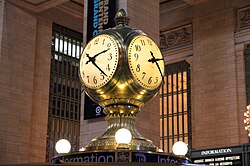
One of the most iconic examples is the four-faced information booth clock at Grand Central Terminal in New York City, which utilizes milk glass for its faces. Another historic piece is the original milk glass marquee of the Chicago Theatre, which has since been donated to the Smithsonian Institution.
In New York City, the Italian restaurant Barbetta—founded in 1906 and remaining in business as of 2026—is said to house the city's last remaining opal glass sign.
Key Facts
- Origin: First produced in Venice during the 16th century as lattimo.
- Purpose: Originally created as a translucent competitor to porcelain.
- Color Palette: Available in white, blue, pink, yellow, brown, and black.
- Terminology: Often called "opal glass" by 19th-century makers.
- Notable Sites: Used in the Grand Central Terminal clock and the Chicago Theatre marquee.
| Period/Era | Common Name/Style | Primary Characteristics |
|---|---|---|
| 16th Century | Lattimo | Translucent, Venetian-made, porcelain competitor |
| Gilded Age | Luxury Milk Glass | Strikingly delicate beauty and design |
| 1930s-1940s | Depression Glass | Less delicate than Gilded Age pieces |
Frequently Asked Questions
What is the difference between milk glass and opal glass?
While the terms are often used interchangeably, "opal glass" was a term used by some 19th-century glassmakers to describe milky white opaque glass, whereas "milk glass" is a more recent name for the material.
Where did milk glass originate?
Milk glass originated in Venice during the 16th century, where it was called lattimo.
What colors can milk glass be?
Although white is most common, milk glass has been produced in blue, pink, yellow, brown, and black.
What are some famous architectural uses of milk glass?
Famous examples include the faces of the information booth clock at Grand Central Terminal in New York City and the original marquee of the Chicago Theatre.
How does Gilded Age milk glass differ from Depression glass?
Gilded Age pieces are known for their strikingly delicate beauty in color and design, while Depression glass from the 1930s and 1940s is generally less delicate.