Miles Davis: The Architect of Modern Jazz
Few musicians have reshaped the landscape of music as profoundly as Miles Davis. A virtuoso trumpeter, composer, and bandleader, Davis did not merely play jazz; he redefined it multiple times across a career spanning nearly five decades. From the frantic energy of bebop to the atmospheric depths of modal jazz and the electric experimentation of fusion, Davis remained a relentless innovator who refused to stay in one place.
His journey took him from the suburbs of Illinois to the epicenter of the New York City music scene, where he became a central figure in the evolution of 20th-century art. Through his leadership of various quintets and his collaborations with other legends, Davis pushed the boundaries of what was possible on the trumpet and beyond.
Key Facts
- Primary Instruments: Trumpet, flugelhorn, cornet, piano, electric organ, and synthesizer.
- Genre Pioneer: Instrumental in the development of cool jazz, modal jazz, and jazz fusion.
- Masterpiece: His album Kind of Blue is one of the best-selling jazz records of all time, achieving quintuple platinum certification.
- Accolades: Recipient of multiple Grammy Awards, including a Lifetime Achievement Award in 1990.
- Active Years: Primarily active from 1944 to 1975, with a significant comeback from 1980 to 1991.
The Evolution of a Sound
The Bebop and Cool Jazz Eras (1944–1950)
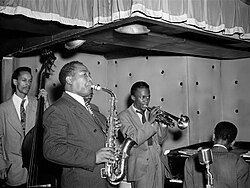
Davis began his professional ascent in New York City during the mid-1940s, immersing himself in bebop—a style of jazz characterized by fast tempos and complex harmonies. During this time, he performed with the Charlie Parker Quintet, honing his skills alongside the architects of the genre.
By the late 1940s, Davis began to pivot away from the intensity of bebop toward a more relaxed, melodic approach. This led to the formation of the Miles Davis Nonet and the Birth of the Cool sessions, which laid the groundwork for cool jazz, a style emphasizing light tones and understated arrangements.
Hard Bop and the Modal Revolution (1949–1963)
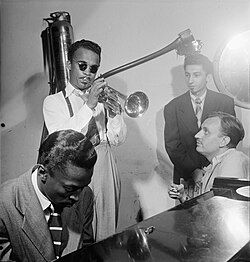
Throughout the 1950s, Davis navigated personal struggles, including a period of heroin addiction, while signing with labels like Prestige and Columbia. He helped pioneer hard bop, which incorporated more soulful and gospel influences into jazz. However, his most significant contribution came with the shift toward modal jazz—a system where improvisation is based on scales (modes) rather than rapidly changing chords.
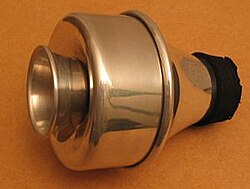
This era peaked with the 1959 release of Kind of Blue and his collaborations with Gil Evans on Sketches of Spain. During the 1950s, Davis also adopted the Harmon mute, a device that dampened the trumpet's sound to create a piercing, intimate, and metallic tone that became his signature.
The Second Quintet and the Electric Period (1963–1975)
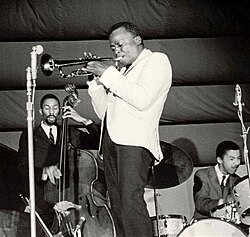
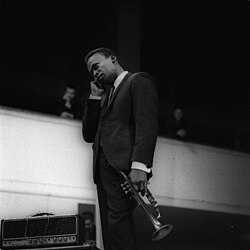
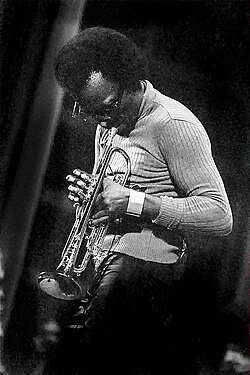
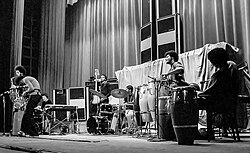
In the 1960s, Davis led his "Second Quintet," pushing the music toward more abstract and free-form structures. By the late 60s, he underwent another radical transformation, embracing electronic instruments and rock rhythms. This jazz fusion period, highlighted by albums like Bitches Brew, integrated electric pianos and synthesizers, bridging the gap between jazz and rock music.
Later Years and Final Comeback
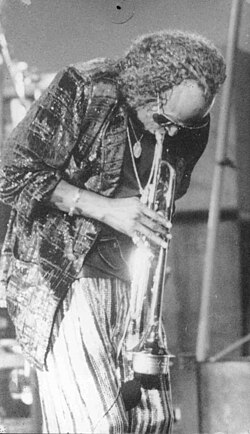
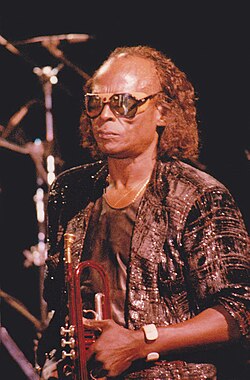
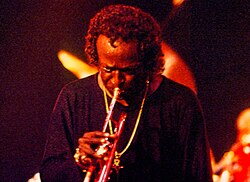
After a hiatus from 1975 to 1980, Davis returned to the spotlight with a renewed energy. His final decade was marked by a blend of his previous styles and an embrace of contemporary sounds, including the R&B influences found in his later work like Doo-Bop.
Personal Life and Legacy
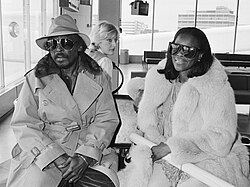
Davis's personal life was as complex as his music. He was married three times, notably to Frances Taylor, Betty Mabry, and actress Cicely Tyson.
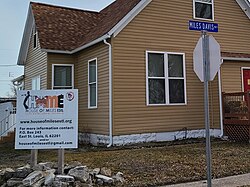
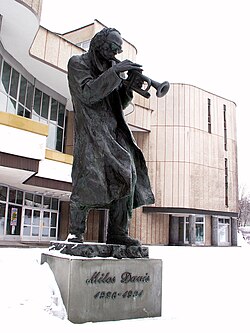
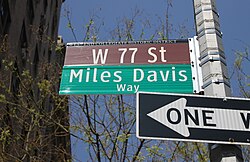
Miles Davis passed away on September 28, 1991, at the age of 65. He is buried in Woodlawn Cemetery, where his headstone features the opening notes of his composition "Solar." His influence persists through monuments in Poland and the naming of Miles Davis Way in New York City.
![Davis's grave in Woodlawn Cemetery, with headstone inscribed with the beginning notes of one of his compositions, "Solar"[202]](/images/52/4f/524f6b07b7b22e1b0b884010fd4ce9a6f1c07f4d0be2f5816d2e3108b60a3079.jpg)
Summary of Career Achievements
| Category | Details |
|---|---|
| Key Genres | Bebop, Cool Jazz, Modal Jazz, Jazz Fusion |
| Major Labels | Columbia, Prestige, Capitol, Fontana |
| Defining Album | Kind of Blue (1959) |
| Notable Honors | Grammy Lifetime Achievement, Rock and Roll Hall of Fame (2006), Legion of Honor |
| Film Work | Composer for Elevator to the Gallows and Dingo |
Frequently Asked Questions
What is modal jazz?
Modal jazz is a style of jazz where improvisation is based on musical modes (scales) rather than the traditional sequence of chord changes. This allows the soloist more freedom and creates a more atmospheric, open sound.
What was the significance of the Harmon mute?
The Harmon mute allowed Miles Davis to create a specific, subdued, and intimate trumpet tone. This sound became a hallmark of his identity and is one of the most recognizable sounds in jazz history.
Which album is considered his most influential?
Kind of Blue (1959) is widely regarded as his most influential work. It is a cornerstone of modal jazz and remains one of the best-selling and most critically acclaimed jazz albums of all time.
Did Miles Davis do anything other than music?
Yes, Davis was also a painter and appeared in several films and television series, both as a composer and as an actor in cameo roles, such as in Miami Vice and Scrooged.
When did he transition to electric instruments?
Davis began his "electric period" in the late 1960s, leading to the creation of jazz fusion. This era was characterized by the use of electric pianos, synthesizers, and a heavier, rock-influenced rhythmic section.